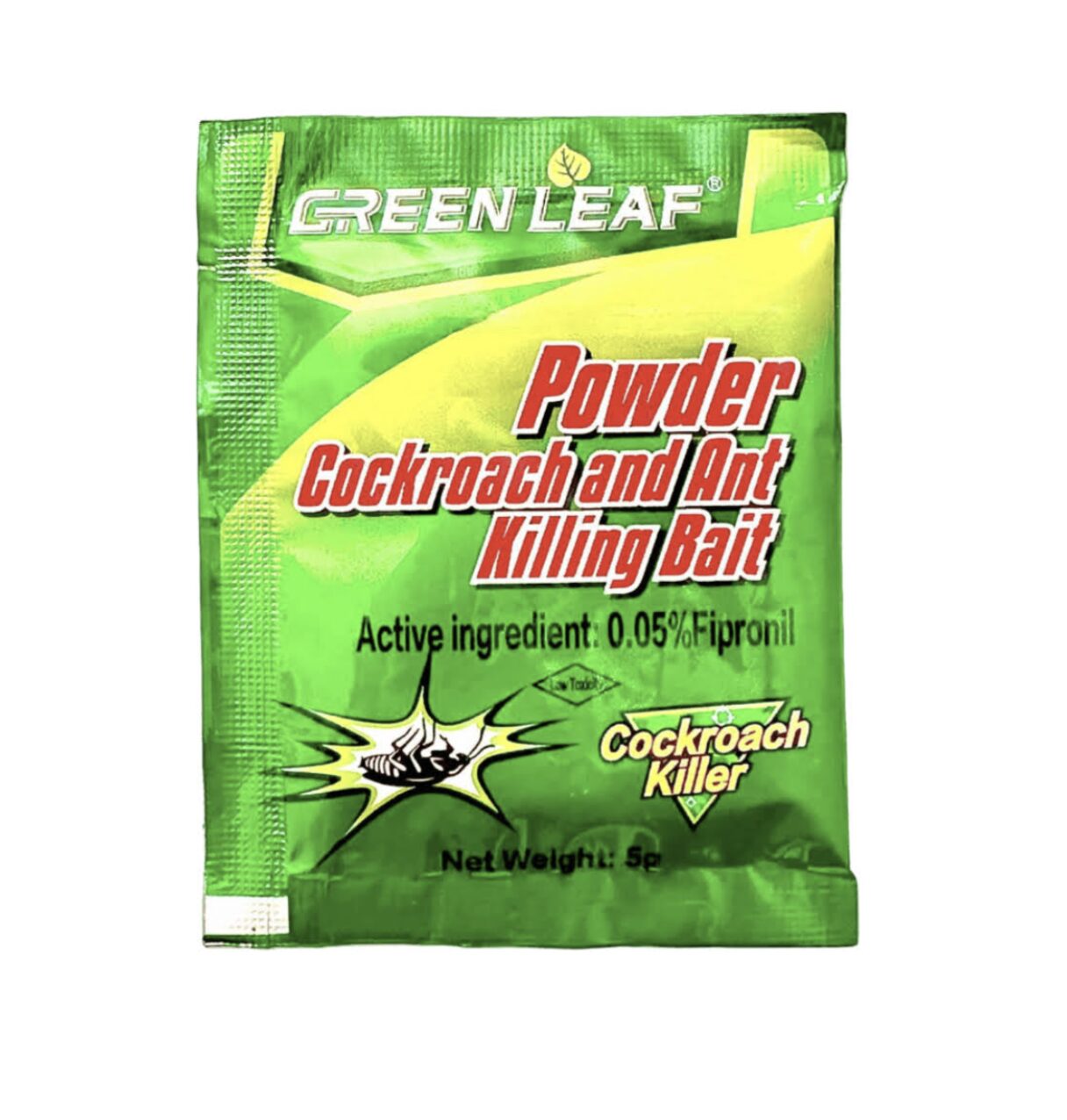
🛡 30-Day Money-Back Guarantee  |  🚚 FREE Tracked Shipping — ships within 1 business day  |  ⭐ 4.5/5 Stars  |  🌿 100% Eco-Friendly
ORDER NOW — Free Tracked Shipping →

Category: Kitchen Baiting

  • Why Chemical Sprays Make German Roaches Scatter & Fail Symmetrically

    Why Chemical Sprays Make German Roaches Scatter & Fail Symmetrically

    If you have a cockroach infestation, your immediate instinct might be to reach for a can of heavy aerosol pest spray. However, pest science proves that spraying active cockroach nests with repellent chemical liquid is one of the primary reasons infestations become chronic and spread throughout the home. If a product you already placed is being ignored, our guide to why roach bait stops working covers the five usual causes and the fix.

    The Chemical Scattering Effect (Repellency)

    Standard household pesticide sprays rely on highly volatile synthetic pyrethroid chemicals. These compounds act as powerful contact repellents. When you spray baseboards or cabinetry, the strong chemical scent alerts the cockroaches. Rather than crawling through the toxin and dying, the majority of the colony scatters, escaping deeper into wall cavities, electrical lines, and adjacent rooms.

    Shattering the Egg Capsules

    When female German cockroaches are exposed to chemical stress or toxic sprays, they undergo a survival mechanism known as “stress-induced aborting.” They immediately release their oothecae (egg capsules) in hidden wall crevices before they die. A single capsule holds up to 48 baby roach nymphs. Within a few weeks, these eggs hatch inside the walls, creating a massive, secondary outbreak that is completely shielded from your sprayed baseboards.

    The Science of Non-Repellent Attraction

    To eliminate a cockroach infestation permanently, you must use a targeted, non-repellent active formula that attracts pests rather than repelling them. The RoachBuster dry active sachet system uses a surgical attractant matrix:

    • Natural Food Attractants: Pests are drawn to the dry sachet naturally, consuming the active powder without realizing it is toxic.
    • Horizontal Transfer: Cockroaches feed on the active bait, then return to their hidden wall cavities where they share the formula with the rest of the colony through grooming, wiping out the entire nest at the source.
    • Uninterrupted Containment: Since our dry paper sachets emit absolutely zero chemical fumes or repellent odors, the pest population remains contained in localized baiting zones, preventing any scattering.

    Dispersal is a defence, not an accident

    When a repellent insecticide contacts a German cockroach aggregation, the population does not simply try to escape the room. It disperses, which is a specific behavioural response with survival value. Individuals move away from the irritant along the paths of least resistance, which in a building means wall cavities, plumbing chases, electrical conduit and floor voids. Because aggregation is maintained by pheromone deposits rather than by physical structure, a dispersed population can establish several new aggregations very quickly wherever it lands. One harbourage becomes three or four, in rooms that were previously clean.

    This is why the same householder can report that spraying worked at first and then things got much worse. Both observations are accurate. The visible insects in the treated room left, and the population as a whole spread out and grew.

    What dispersal costs you

    Before sprayingAfter dispersalConsequence
    One known harbourageThree or four unknown harbouragesYou lose the information advantage
    Population concentrated near baitPopulation spread across voidsBait uptake drops sharply
    Treatment confined to one roomTreatment now needed in severalCost and time multiply
    Neighbouring units unaffectedPopulation pushed along shared servicesA unit problem becomes a building problem
    Insects foraging normallyInsects avoiding treated surfacesAny subsequent bait placed there is ignored
    One treatment cycleRepeated cyclesThe treadmill most households end up on

    Why non-repellent products behave differently

    A non-repellent bait is designed to be undetectable as a threat. Insects walk over it and feed on it without any avoidance response, so aggregation behaviour continues normally and material moves inward toward the harbourage through feeding, grooming and secondary transfer. Nothing disperses. The population declines where it lives, which is both faster in practice and far less disruptive. The trade-off is patience: you do not get the immediate visual satisfaction of insects running out of a cabinet, and counts often rise in the first week because normal foraging continues while insects begin dying in the open. That first-week rise is the signal that the approach is working, not failing, and it is described in our guide to reading treatment progress.

    If you have already sprayed

    1. Stop spraying. Every additional application widens the dispersal and deepens surface avoidance.
    2. Wash the sprayed surfaces with plain detergent. Removing the repellent residue is what allows bait placed there to be accepted.
    3. Expand your inspection. Check the rooms adjacent to the sprayed room, the plumbing wall on the other side and, in an apartment, the shared wall. Assume the population moved.
    4. Place bait densely and widely. Cover the original harbourage plus every new location your inspection flagged.
    5. Use overnight monitors to find the new aggregations. Index cards dusted with flour, checked at first light, will show you where traffic is now.
    6. Expect a longer timeline. A dispersed population typically takes four to eight weeks rather than two to four.
    7. Notify neighbours or the building if you share walls, because dispersal along shared services is the mechanism described in our recurrence guide.

    Products that cause dispersal

    • Most consumer aerosol contact insecticides, which are formulated for rapid knockdown and are typically repellent.
    • Perimeter and crack-and-crevice sprays based on repellent actives.
    • Total release foggers, which distribute an irritant through open air and are among the most reliable ways to scatter a population.
    • Loose dusts applied in visible layers, which insects walk around rather than through.
    • Strongly scented cleaners used heavily in a harbourage area, which can reduce bait acceptance even without insecticidal effect.

    The full comparison of what each format does and does not achieve is in our powder versus spray versus fogger article.

    Questions people ask

    Is there any situation where spraying helps?

    A targeted professional application has a role in some integrated programmes, for example as a limited exterior perimeter treatment. Untargeted indoor aerosol use in an active harbourage is where the damage happens.

    How do I know if my population has dispersed?

    Sightings appear in rooms that were previously clean, especially bathrooms and adjacent kitchens, and bait uptake in the original room is poor.

    Can dispersed populations be recovered?

    Yes. Wash off the residue, place densely across the wider area, use monitors to locate the new aggregations, and allow four to eight weeks.

    Does this apply to large outdoor roaches too?

    Less so, because they are not aggregating breeders indoors in the same way. The dispersal problem is most acute with German cockroaches.

    The short version

    Repellent sprays trigger a dispersal response that converts one known harbourage into several unknown ones and drives populations along shared services. Stop spraying, wash the residue off, inspect wider, place non-repellent bait densely, use overnight monitors, and allow a longer timeline. One box of fifty sachets gives you enough placements to cover a dispersed population properly, with a 30-day money-back guarantee.

    Always use any product as directed on its label, and keep placements out of reach of children and pets. Product formulations and labels differ between markets and change over time, so read the label of the specific product you buy rather than relying on general category descriptions.

    Break the Spray Loop Symmetrically

    Stop chemical scattering. Attract and eliminate cockroach colonies safely with the RoachBuster 50-Sachet Box.

    Free shipping, secure Stripe checkout, and a 30-day money-back guarantee.

    Next steps: how powder, sprays and foggers differ, how to tell whether a treatment is working, and how many sachets a full round actually takes.

    Treating an active infestation? One box treats one room, once. The 3-Box Kit — $120 (150 sachets, save $59.97) covers a full apartment through the complete 3-4 week treatment cycle; a $47 single box (50 sachets) covers a single-room problem. Ships within 1 business day, typical delivery 6-10 days · Free tracked shipping · 30-day money-back guarantee.
    Choose your kit →
  • Restaurant Dishwasher & Prep Table Hotspots: B2B Commercial Baiting

    Restaurant Dishwasher & Prep Table Hotspots: B2B Commercial Baiting

    For restaurants, cafes, and commercial food businesses, passing local health department kitchen inspections is a absolute prerequisite for survival. A single crawling pest sighted by a customer or inspector can trigger immediate closure, thousands in fines, and catastrophic brand damage on Yelp. Roaches walking past your placements? See the five real reasons in roach bait not working, then compare formats in our best roach killer powder guide.

    The Heat Engine Infestation Hotspots

    Commercial dishwashers, heavy prep tables, and hot line compressors are extreme cockroach magnets. These zones are subjected to constant steam, high temperatures, washing detergents, and grease. Pests naturally nest deep inside the insulation panels, hollow stainless steel furniture legs, and electrical conduit lines directly adjacent to food preparation areas.

    Why Traditional Commercial Pest Spraying Fails

    Spraying toxic chemical liquids around commercial food prep spaces is strictly regulated and highly dangerous. Chemical solvents risk cross-contaminating clean silverware, pans, and ingredients. Additionally, standard commercial pesticide sprays are repelled by high grease coatings and wash away quickly during nightly commercial kitchen spray-downs.

    The Clean, B2B dry Sachet System

    To maintain flawless sanitary standards and secure your health department score, the RoachBuster dry active sachet system provides an elite B2B commercial solution:

    • Steam & Heat Durability: Unlike cheap running gel baits that dissolve under hot water lines, our active dry powder remains locked within durable, moisture-resistant paper sachets.
    • Odorless Compliance: 100% fume-free and completely odorless. Food service operations can remain active during baiting without chemical spray shut-downs.
    • Zero Residue, Zero Mess: The dry sachets leave no sticky residues on stainless steel tables, making cleanups fast and simple during nightly food audits.

    Prep tables are the harbourage nobody surveys

    Refrigerated prep tables and cold counters are the most underestimated harbourage in commercial kitchens. Each one combines a compressor bay running at a steady warm temperature, a condensate tray holding water, a sealed cavity beneath the well that is almost never opened, castors that trap debris, and a hinged lid gasket with a channel full of organic residue. Unlike a dishwasher, a prep table is not obviously a hot wet machine, so it does not attract attention on a cleaning schedule. That is precisely why populations establish there and survive rounds of treatment aimed at the dish pit.

    The same logic applies to undercounter fridges, saladettes, pizza prep counters and any unit with a compressor bay on castors. Any kitchen that is seeing recurring activity despite regular treatment should pull the prep line out before doing anything else.

    The quarterly pull-out, done properly

    1. Isolate power and, where fitted, water. Follow the manufacturer instructions for moving the unit.
    2. Roll the unit fully clear of the wall and inspect the wall, the floor and the underside with a torch.
    3. Remove and clean the condensate tray. Standing water here is the single most common finding.
    4. Vacuum the compressor bay and the coil. Debris in the coil holds egg cases and reduces efficiency at the same time.
    5. Check the lid gasket channel and the drain outlet in the well.
    6. Clean the floor and the wall properly while access exists, then dry both.
    7. Place dry sachets at the rear corners of the cavity and in the compressor bay recess before the unit goes back.
    8. Log the date, the unit and the findings. Four of these per year change a kitchen permanently.

    Placement map across the cold and prep line

    UnitPlacementsPosition
    Refrigerated prep table2Rear cavity corners plus compressor bay recess, dry
    Undercounter fridge or saladette1 to 2Compressor recess at the rear
    Walk-in cooler exterior2Outside the door threshold corners and at the condenser penetration
    Ice machine1 to 2Dry floor at rear, clear of the drain
    Prep sink cabinet2At pipe penetrations
    Stainless bench legs and wall junction2 to 3Floor corners behind the bench line
    Dry store shelving corners2 to 3Behind stored goods, off cardboard
    Waste area enclosure2Floor corners, not in the liner

    Twenty to thirty-five placements across a mid-size kitchen, weighted to the cold line and waste area rather than the visible cook line. The coverage arithmetic guide explains how to build the number for your layout, and our multi-unit plan applies if you share a building with other food tenancies.

    Making it a programme rather than a reaction

    • Assign an owner. One named person per site is responsible for the log. Programmes without an owner lapse within two months.
    • Fix the inspection interval. Weekly visual on the cold line and waste area, monthly full round, quarterly pull-out.
    • Train on placement, not just on cleaning. Staff need to know that placements exist, where they are and that they must not be moved or binned.
    • Record sightings with a time. Night-shift sightings versus day sightings tell you whether the population is established or transient.
    • Escalate on a trigger, not on a feeling. For example: any sighting on two consecutive days, or any small light-brown insects at all, triggers a full round rather than a spot treatment.

    Why bait rather than spray on a prep line

    A prep line is a food-contact environment with wash-down cleaning and continuous service. Residual sprays cannot be used on food-contact surfaces, they are removed by nightly cleaning where they can be used, and they push a concentrated population deeper into the equipment cavity instead of reducing it. Dry, odourless bait in an enclosed cavity survives the cleaning regime, requires no service interruption and reaches the population where it lives. The mechanism is set out in our powder versus spray versus fogger comparison, and the recurrence pattern that follows repellent treatment is explained in our reinfestation guide.

    Questions chefs and operators ask

    How often should the cold line be pulled out?

    Quarterly as a minimum, and immediately if you have any activity that persists after a treatment round. Most recurring kitchen problems are solved by this one action.

    Can placements go inside the prep table well?

    No. Nothing goes in a food well or on any food-contact surface. Placements go in the enclosed cavity beneath and behind, and in the compressor bay recess.

    Do we need to close during treatment?

    No. Dry placements need no ventilation period, which is why they suit continuous service operations.

    What is the first sign a prep table is harbouring?

    Pepper-like droppings on the underside of the lid gasket channel or on the compressor bay floor, plus shed skins in the coil debris. Those appear well before you see insects during service.

    The short version

    The cold line, not the cook line, is where kitchen populations live. Pull refrigerated prep tables out quarterly, empty the condensate tray, vacuum the compressor bay, place twenty to thirty-five dry sachets weighted to cold units and the waste area, and run it as a programme with a named owner and a written trigger for escalation. A five-box case covers a mid-size kitchen for a year at about eighty cents per sachet, with a 30-day money-back guarantee.

    Always use any bait product as directed on its label, and keep placements out of reach of children and pets. This is general operational guidance, not regulatory advice.

    Secure Your Commercial Kitchen Score Symmetrically

    Maintain sanitisation compliance. Protect prep spaces, dishwashers, and compressors with the RoachBuster 3-Box Bundle.

    Free shipping, secure Stripe checkout, and a 30-day money-back guarantee.

    Next steps: the building-wide plan for multi-unit properties, how many sachets a full round actually takes, and how to tell whether a treatment is working.

    Treating an active infestation? One box treats one room, once. The 3-Box Kit — $120 (150 sachets, save $59.97) covers a full apartment through the complete 3-4 week treatment cycle; a $47 single box (50 sachets) covers a single-room problem. Ships within 1 business day, typical delivery 6-10 days · Free tracked shipping · 30-day money-back guarantee.
    Choose your kit →
  • German Cockroaches in Fridge & Appliance Motors: Safe Baiting Guide

    German Cockroaches in Fridge & Appliance Motors: Safe Baiting Guide

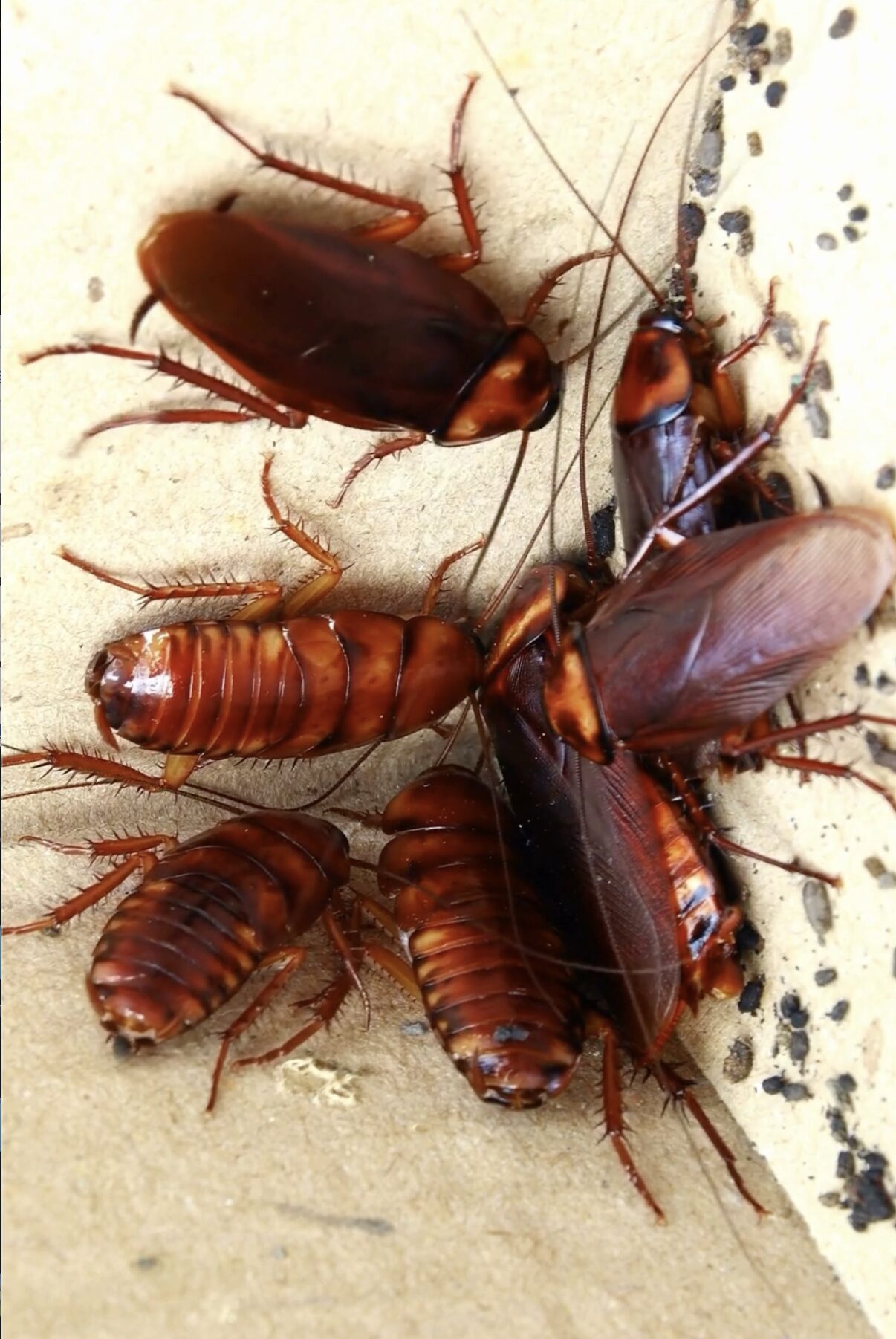
    German cockroaches (Blatella germanica) are notoriously attracted to heat, moisture, and tight dark cavities. This biological drive makes the motors and compressors of home kitchen appliances—especially refrigerators, dishwashers, and microwaves—their absolute primary nesting grounds. If a product you already placed is being ignored, our guide to why roach bait stops working covers the five usual causes and the fix.

    Why Cockroaches Nest in Appliance Compressors

    Appliance compressors emit continuous warmth, creating a perfect incubation micro-climate for roach egg capsules (oothecae). Additionally, refrigerator condensation pans provide a constant source of water, while food crumbs naturally accumulate underneath these heavy appliances. This combination of shelter, warmth, moisture, and food creates a pest stronghold.

    The Danger of Liquid Pesticide Sprays Around Electronics

    Traditional pest control relies on spraying liquid chemical solvents into these motors. This is highly problematic. Volatile liquid chemicals can short-circuit electronic boards, corrode wires, and vaporize toxic fumes directly into your food-prep air space. Furthermore, the strong odors of chemical repellents cause cockroach populations to scatter deeper into the walls, spreading the nest symmetrically.

    The Surgical Sachet Solution

    To eliminate appliance nesting safely and effectively, you must utilize a dry, odorless, and non-repellent active formula. The RoachBuster dry active sachet system is specifically engineered for this micro-placement:

    • Safe Dry Barrier: Since our formula is packaged in surgical dry paper sachets, it is 100% non-conductive and perfectly safe around delicate appliance motors.
    • Odorless and Non-Repellent: The bait does not alert pests, encouraging them to consume the active powder and carry it back to wipe out the entire nesting colony behind the compressor.
    • Precision Melamine Fit: The slim sachets slide cleanly into the narrow slots beneath the refrigerator coils or cabinet borders, keeping the bait completely inaccessible to children and curious pets.

    The thermal signature of a motor

    A running motor produces a small, stable, permanently warm zone. A fridge compressor sits at forty to fifty degrees Celsius on its casing and cycles all day; a washing machine motor and pump housing hold residual heat for hours; a dishwasher circulation pump combines heat with permanent moisture. To an insect, that is a microclimate with three properties it cannot find anywhere else in the house: constant warmth, shelter from disturbance and, in most cases, humidity. Development speeds up in warmth, so a population harbouring in a compressor bay breeds faster than the same population behind a cupboard.

    This is why appliance-based populations are disproportionately persistent. They are not just hiding better, they are reproducing faster.

    Motor cavities ranked by how often they harbour

    ApplianceCavityWhy it holds populationAccess
    Refrigerator or freezerCompressor bay and condenser coilWarmest, driest, dustiest, never cleanedRear panel, usually screws
    DishwasherCirculation pump housing and base trayHeat plus permanent moistureFront kickplate
    Washing machineMotor, pump filter and drum surroundHeat, lint, residual waterFront filter flap, rear panel
    Tumble dryerMotor and lint ductWarmth and lint as foodLint housing, rear panel
    Extractor hoodFan motor housingGrease as food, warmthCanopy, filter removal
    MicrowaveMagnetron and fan housingWarmth plus food debrisVents only; do not open
    Coffee machinePump and boiler baseWarmth, moisture, groundsDrip tray and rear
    Boiler or water heaterPump and pipework surroundConstant warmthExternal surfaces only

    How to treat a motor cavity without damaging anything

    1. Isolate power. Unplug or switch off at the isolator. This is not optional.
    2. Pull the appliance out and let it cool. Thirty minutes is enough for most units.
    3. Vacuum the accessible cavity with a crevice tool and a brush. Dust and lint are the food supply and they hold egg cases. This step alone removes a large part of the problem.
    4. Never introduce liquid. No sprays, no damp cloths inside the cavity, nothing that can wick into windings or connections.
    5. Place dry sachets adjacent, not inside. The correct position is the dry floor or shelf behind and beneath the appliance, and the outer edge of the compressor bay, clear of moving parts, fans, heating elements and electrical connections.
    6. Reinstate and mark the position. Note it on your placement card so the sachet is replaced after any future service visit.
    7. Re-check at fourteen days. Consumed placements in an appliance position are a reliable sign you found the right cavity.

    Where not to place

    • Inside any electrical enclosure or junction box.
    • On or against a heating element, a fan blade path or a belt.
    • In the condensate tray or anywhere water collects.
    • Inside a microwave cavity or through its vents.
    • Inside a sealed refrigeration compartment.
    • Anywhere that obstructs an air intake or exhaust, since restricting airflow can cause the appliance to overheat.

    Why bait beats every alternative here

    Aerosols and foggers cannot be used in an electrical cavity, and their propellants and residues are exactly what you do not want near windings and contacts. Loose dust migrates into bearings and fan assemblies. Heat treatment is impractical. A dry, enclosed sachet placed adjacent to the cavity works because the insects come out to forage and go back in, carrying material with them, which reaches the part of the population you cannot physically access. Our method comparison covers the mechanism, and our recurrence guide explains why an untreated appliance cavity is one of the most common reasons a whole-house treatment appears to fail.

    Questions people ask

    Will insects damage my appliance?

    Accumulated debris, droppings and dead insects can foul contacts, block drains and reduce airflow, and there are documented cases of electronic control faults. The more common outcome is reduced efficiency from a fouled coil.

    Does the appliance need to be serviced afterwards?

    A thorough vacuum of the coil and cavity is usually enough. If a control board is faulty or a drain is blocked, use a qualified technician.

    How long until an appliance population clears?

    Two to six weeks, with the longer end applying where the cavity is largely inaccessible. Keep placements in position through the whole period; progress signals are in our is it working guide.

    How many placements per appliance?

    One to two adjacent positions per appliance, plus the surrounding room count from our coverage arithmetic guide.

    The short version

    Motors create warm, dry, undisturbed microclimates where populations breed faster than elsewhere in the house. Isolate power, pull the appliance out, vacuum the cavity, never introduce liquid, and place dry sachets adjacent to the cavity rather than inside it. One box gives you placements for every appliance in the house plus the surrounding rooms, with a 30-day money-back guarantee.

    Always use any bait product as directed on its label, and keep placements out of reach of children and pets. Isolate power before working near any appliance, never introduce liquid into an electrical enclosure, and use a qualified technician for anything that requires opening a sealed unit.

    Eliminate Appliance Nests Symmetrically

    Place RoachBuster dry sachets safely behind refrigerator compressors and appliances. Clean, odorless, and completely stainless.

    Free shipping, secure Stripe checkout, and a 30-day money-back guarantee.

    Next steps: how many sachets a full round actually takes, how to tell whether a treatment is working, and how powder, sprays and foggers differ.

    Treating an active infestation? One box treats one room, once. The 3-Box Kit — $120 (150 sachets, save $59.97) covers a full apartment through the complete 3-4 week treatment cycle; a $47 single box (50 sachets) covers a single-room problem. Ships within 1 business day, typical delivery 6-10 days · Free tracked shipping · 30-day money-back guarantee.
    Choose your kit →

  • The Truth About Cockroach Gel Baits: Stains, Runny Formulas, & Messes

    The Truth About Cockroach Gel Baits: Stains, Runny Formulas, & Messes

    Gel bait is the default recommendation in most roach control advice, and for good reason: the mechanism is sound and a fresh gel is genuinely attractive to a foraging cockroach. What the advice usually leaves out is everything that happens after application. Gels are a wet product applied into warm, enclosed cavities, and the practical consequences of that determine whether the treatment survives long enough to work. If a product you already placed is being ignored, our guide to why roach bait stops working covers the five usual causes and the fix.

    This is an honest assessment of where gel baits fall short, where they still make sense, and how dry powder formats compare on the things that actually decide the outcome.

    The short comparison

    FactorGel baitDry powder sachet
    Initial attractivenessHigh while freshHigh and stable
    Working life in a warm cavityDays to a few weeks before crustingWeeks, unaffected by drying
    Behaviour in heatCan soften and runNo change
    Staining riskReal on wood, stone, grout and paintMinimal
    CleanupDried gel must be scraped offSachet is lifted out
    Placement precisionVery precise, into tiny crevicesGood, limited by sachet size
    Vertical surfacesAdheres wellNeeds a ledge or flat position
    Humid roomsPoor to moderateGood
    Accidental contactSticky residue transfers to hands and pawsContained in a sachet

    Neither format is universally better. The point is that they fail in different ways, and the failure modes of gel are the ones most likely to end a treatment early.

    Where gel baits actually go wrong

    They dry out, and dried gel does not get eaten

    This is the most important limitation and the least discussed. A gel bait relies on moisture in the matrix to stay palatable. Applied into a cabinet next to a dishwasher or behind a refrigerator, that moisture evaporates faster than the label timeline suggests, and within a couple of weeks you are left with a hard dark crust that foraging insects walk past. The bait is still visibly there, which is exactly the problem: the placement looks active while doing nothing.

    The consequence is a timing mismatch. Egg capsules laid before you treated hatch around weeks three and four, and that nymph wave is the moment your bait most needs to be live. A gel applied on day one is often crusted over by then, which is one of the most common reasons a treatment appears to work and then rebounds. The mechanism is covered in our guide to egg cases and the timing in the week-by-week timeline.

    They run in warm cavities

    Gels are formulated to hold their shape at room temperature. The places you most want to treat are not at room temperature. A bead applied on the underside of a worktop above a dishwasher, or inside a warm appliance housing, can soften and migrate, which both moves the bait away from the crevice you targeted and puts it somewhere you did not intend.

    The staining is real

    Dripping or smeared gel leaves greasy rings and dark discolouration, and the surfaces most at risk are the expensive ones: unsealed timber, marble and other porous stone, grout, and painted plasterboard. In a rented property this is a deposit issue as much as an aesthetic one. Removing dried gel afterwards can strip paint and scratch finishes, which turns a pest problem into a repair.

    Cleanup interferes with the treatment

    Because dried gel has to be physically scraped away, people tend to clean placements out and reapply. Every cleanup disturbs the harbourage, and disturbance pushes a colony to relocate. A format you can simply lift out and replace avoids that entirely.

    Sticky residue and contact risk

    A gel is an exposed sticky material. It transfers to fingers, cloths, and pet paws, and in households with animals or small children that raises the practical difficulty of keeping the product where it belongs. A sachet keeps the material contained, which is why it is easier to place responsibly. Our pet-safe control guide covers placement discipline in more detail, and either format should be used strictly per its label.

    Bait aversion

    Some German cockroach populations have become averse to the sweet carbohydrate matrix used in many popular gels, and will walk past a fresh application. This is a formulation issue rather than a gel problem as such, but it disproportionately affects the widely used sweet gels. If consumption stalls with the bait clearly fresh, rotating to a different matrix is the fix; see gel versus dry powder and bait aversion.

    Where gel baits are still the right choice

    It would be dishonest to write gels off. There are situations where nothing else does the job as well.

    • Very tight crevices. A fine bead can be injected into a hairline joint, a cam-lock hole, or a hinge recess that no sachet will fit into.
    • Vertical and overhead surfaces. Gel adheres where a sachet would simply fall.
    • Inside appliance and electronics housings where you need a very small amount in a specific spot.
    • Short, intensive knockdown in a cool, dry location where you will be back within a fortnight to reapply.
    • Alongside a dry format, using gel for the crevices and sachets for the open cavities. Combining the two is usually better than choosing a side.

    Where dry powder formats do better

    • Duration. Nothing evaporates, so the placement is still working through the week three and four hatching window without you touching it.
    • Warm and humid rooms. Kitchens near a dishwasher, bathrooms, and utility rooms are exactly where gels struggle. See roaches in the laundry room.
    • Finishes. No wet material means no rings on stone, timber or paint, which matters in a rental or a recently fitted kitchen.
    • Removal. Lift the sachet out. No scraping, no residue, no damage.
    • Vehicles and confined spaces, where heat and staining make gels a poor fit; see roaches in your car.
    • Odour. An odorless placement does not add a scent to a small enclosed space, and there is nothing to drive the colony elsewhere.

    What actually determines success, whichever you choose

    It is worth being clear that format is not the main variable. Placement is. A gel applied precisely inside the harbourage will outperform a sachet left in the middle of a cabinet shelf every time, and the reverse is equally true.

    • Find the harbourage before you treat. Three nights of glue boards beats guessing; see mapping a nest with sticky traps.
    • Use many small placements rather than a few large ones. Cockroaches consume tiny amounts, so coverage wins.
    • Never apply anything repellent near a bait placement. That single mistake ruins both formats.
    • Remove competing food and fix moisture first, as covered in what attracts roaches to a clean home.
    • Leave placements undisturbed for several weeks, including through a deep clean.
    • Keep bait live through the nymph wave rather than stopping when sightings reach zero.
    • Follow the product label for whichever format you use, and keep placements out of reach of children and pets.

    Frequently asked questions

    How long does gel bait stay effective?

    Manufacturer timelines assume moderate conditions. In a warm cabinet or behind an appliance, palatability commonly declines within a couple of weeks as the matrix dries. The practical test is appearance and texture: if it has gone hard and dark, it is no longer doing anything.

    Can I just reapply gel more often?

    You can, and if you are disciplined about a fortnightly cycle it works. The problem is that most people are not, and each reapplication involves cleaning out the old crust, which disturbs the harbourage you are trying to keep stable.

    Does dried gel still attract roaches?

    It loses its attractiveness as it dries, and insects will generally walk past it. Worse, it can occupy the exact spot where a live placement should be, so a crusted bead is not neutral; it is a wasted position.

    Can I use gel and dry bait together?

    Yes, and it is often the best approach: gel injected into hairline crevices and cam-lock holes, dry sachets in the larger enclosed cavities. Keep them as separate placements rather than mixing products in one spot, and follow both labels.

    Will gel bait stain my worktop?

    It can, particularly on porous stone, unsealed timber, grout and painted surfaces. Apply into enclosed crevices rather than onto visible finishes, and if you are in a rented property, weigh the deposit risk against the convenience.

    Choose for the location, not the marketing

    Gel baits are a legitimate tool with two significant practical weaknesses: they dry out on a shorter timeline than the treatment needs, and they carry a real staining and cleanup cost. Use them where their precision is genuinely required, and use a dry format where duration, heat, humidity, or finishes matter more.

    GreenLeaf RoachBuster is a dry powder sachet format for exactly that reason: 50 odorless, stainless sachets per box that can sit in cabinet corners, under sinks, and behind appliances for the full treatment window without drying out, running, or leaving anything to scrape off. Always use as directed on the product label, and keep placements away from children and pets.

    Next steps: how many sachets a full round actually takes, how to tell whether a treatment is working, and how powder, sprays and foggers differ.

    Treating an active infestation? One box treats one room, once. The 3-Box Kit — $120 (150 sachets, save $59.97) covers a full apartment through the complete 3-4 week treatment cycle; a $47 single box (50 sachets) covers a single-room problem. Ships within 1 business day, typical delivery 6-10 days · Free tracked shipping · 30-day money-back guarantee.
    Choose your kit →

  • How to Get Rid of Roaches in Kitchen Cabinets & Sinks (The Odorless Method)

    How to Get Rid of Roaches in Kitchen Cabinets & Sinks (The Odorless Method)

    Finding a cockroach scuttling across a clean kitchen counter or disappearing behind a cabinet door is one of the most frustrating experiences a homeowner can face. Because kitchens combine food, water, and warm dark spaces, they represent the absolute highest-density risk zones for pest activity. If sightings keep pointing back to one area, use our guide to locating the nest together with the 21-day German roach treatment plan.

    The Hidden Path: Where Roaches Travel in Kitchens

    Roaches do not live out in the open. They thrive in secure, quiet, narrow gaps where their bodies can touch surface areas on both sides (a behavioral trait known as thigmotaxis). In kitchen environments, these pathways include:

    • Cabinet Hinge Joints & Corners: Quiet, high recesses that remain dark even during the day.
    • Beneath and Behind Kitchen Sinks: Areas adjacent to active plumbing lines where condensation or minor pipe leaks offer a constant supply of moisture.
    • Behind Major Appliances: The motor coils of refrigerators and back panels of stoves generate ambient, warm micro-climates where insects can breed undisturbed.
    • Wall and Floor Gaps: Tiny cracks along baseboards and gaps around sink pipes going through walls.

    Why Aerosol Sprays Fail (The Toxic Trap)

    When most people see a pest, their immediate reaction is to grab a can of commercial aerosol spray. However, massive spraying in food-prep areas presents two major drawbacks:

    First, it releases heavy, toxic odors that can settle on cooking surfaces, dishes, and utensils, creating potential chemical contamination hazards. Second, chemical sprays act as immediate repellents. Instead of exterminating the nest, sprays scatter the surviving pests deeper into wall voids, floorboards, and ceiling tiles, spreading the infestation to other rooms.

    The Odorless, Targeted Solution

    A cleaner, far more effective approach is targeted powder placement. Using granular or powder bait in tiny, localized sachets solves the problem directly at the source:

    1. Zero Odors & Zero Fumes: A high-quality powder sachet does not release airborne chemical mists. It remains localized in the exact spot you put it, keeping food surfaces completely safe and fume-free.

    2. Continuous Residual Defense: Unlike sprays that dry up and lose effectiveness in hours, dry bait powder remains active for months as long as it stays dry. Pests discover the bait during their nightly foraging routines, ingest it, and carry the active ingredient back to eliminate the hidden colony.

    3. Surgical Cabinet Application: Instead of making a mess with liquid gels or sticky sprays, you can place single sachets in cabinet corners, drawer sliders, and sink pipes. Application is quick, completely stainless, and easy to clean up whenever you decide.

    For ultimate kitchen defense, combine targeted powder placement with consistent sanitation: clean up evening crumbs, wipe dry sink basins before bed, and seal open floorboard gaps. By cutting off access to open water and placing active bait directly in crawling paths, you can clear kitchen cabinets permanently.

    Next steps: how many sachets a full round actually takes, how to tell whether a treatment is working, and why roaches come back after treatment.

    The order that makes a cabinet round work

    1. Empty one cabinet at a time. Attempting the whole kitchen at once means it never gets finished.
    2. Inspect before cleaning. Torch the corners, shelf lips, hinge cups, fitting holes and drawer undersides. Cleaning first destroys the evidence that tells you where to place.
    3. Vacuum with a crevice tool. Droppings, shed skins and egg cases are physical debris; removal beats wiping.
    4. Wash with plain detergent. Detergent lifts the oily pheromone residue. Avoid scented cleaners in cabinets you intend to bait.
    5. Dry thoroughly. A damp cabinet ruins a dry placement.
    6. Place two to three sachets per affected unit. Rear corners, at pipe penetrations, and in the plinth void.
    7. Restock, then write the placement card. Tape it inside a cupboard door.

    Positions that matter most

    PositionPlacementsNote
    Under-sink cabinet rear corners2 to 3At the pipe penetrations, dry surface
    Sink bowl underside areaIncluded aboveWarm, damp, completely hidden
    Kitchen plinth void2Continuous and undisturbed
    Behind and under the fridge2Compressor recess
    Dishwasher side gap1 to 2Dry position only
    Oven base cavity1When cool
    Drawer undersides and runner channels1 per affected unitRemove the drawer to place
    Corner unit dead space1At the access point

    Counts for the whole home are in our coverage arithmetic guide.

    Why odourless matters in a kitchen specifically

    A kitchen is the one room where residue and smell have consequences beyond comfort. Food-contact surfaces cannot carry insecticide residue, cabinets hold that residue for a long time because they are enclosed and rarely washed, and any solvent odour transfers to dry goods and to the air you cook in. A dry, enclosed placement in a cabinet corner introduces no residue to any surface and no carrier to the air, which is why it suits kitchens better than aerosols. Our odourless control guide covers the trade-offs, and our method comparison explains why repellent products actively work against a cabinet round.

    What to expect week by week

    • Week one. Sightings may rise, because a non-repellent bait does not chase anything away and insects begin dying in the open.
    • Week two. Counts fall noticeably. Placements in the correct locations show consumption.
    • Weeks three and four. Substantial reduction. Do not remove placements.
    • Weeks four to six. Egg cases hatch. Placements must still be in position, which is the single most common failure point.
    • Beyond week six. Monthly inspection, replace what is consumed, and the kitchen stays quiet.

    The signals to watch are set out in our guide to reading treatment progress.

    Questions people ask

    Do I need to empty every cabinet?

    Only the affected ones plus the under-sink units and the plinth line. Work through them over two evenings.

    Can I place bait inside the sink cabinet with cleaning products?

    Yes, on a dry flat surface at the rear corners, away from any leaking containers. Fit a child lock if you have children or pets.

    Why did activity move to the bathroom after I treated the kitchen?

    Usually because a repellent product was used at some point, or because the bathroom was always part of the population range. Treat both rooms together.

    The short version

    Inspect before cleaning, vacuum before washing, use plain detergent, dry fully, then place two to three sachets per affected unit at rear corners, pipe penetrations and the plinth void. Expect a week-one rise and hold placements through week six. One box covers a full kitchen and bathroom round, with a 30-day money-back guarantee.

    Always use any bait product as directed on its label, and keep placements out of reach of children and pets.

    Treating an active infestation? One box treats one room, once. The 3-Box Kit — $120 (150 sachets, save $59.97) covers a full apartment through the complete 3-4 week treatment cycle; a $47 single box (50 sachets) covers a single-room problem. Ships within 1 business day, typical delivery 6-10 days · Free tracked shipping · 30-day money-back guarantee.
    Choose your kit →

  • Odorless vs. Smelly Pest Control: Choosing Safe and Stainless Home Bait

    Odorless vs. Smelly Pest Control: Choosing Safe and Stainless Home Bait

    When a home experiences a pest problem, the immediate goal is elimination. But the method you choose matters. Far too many homeowners solve a temporary insect problem only to introduce a lasting chemical odor or permanent oil stain to their cabinets, walls, and flooring. Roaches walking past your placements? See the five real reasons in roach bait not working, then compare formats in our best roach killer powder guide.

    The Hidden Costs of Chemical Sprays & Sticky Gels

    Traditional pest control relies heavily on aerosol sprays, chemical foggers, and sticky bait gels. Unfortunately, these methods carry heavy physical drawbacks:

    • Toxic Fumes & Lingering Smells: Bug bombs and chemical sprays release airborne particles that hang in the indoor air, settling on clothes, pet beds, and kitchen spaces, leaving behind a sharp, toxic odor that can trigger respiratory discomfort.
    • Permanent Surface Staining: Liquid chemicals and sticky brown gels often leave permanent yellowing, greasy rings, or dark spots when applied to wood cabinets, painted drywall, or marble countertops. Removing dried, crusty gel bait can strip paint and damage fine finishes.
    • Pet & Child Exposure Risks: Sticky gels applied along walls or baseboards are fully exposed to curios children and pets. Foggers contaminate entire rooms, requiring extensive washing of toys, bedding, and food prep surfaces.

    The Modern Standard: Odorless & Stainless Powder

    For a modern, premium home routine, dry powder bait in localized, targeted placements offers a highly refined alternative:

    1. Completely Scent-Free: High-performance dry powder does not evaporate or release airborne fumes. It has zero smell, making it the perfect choice for homes with children, pets, or individuals sensitive to chemical odors.

    2. 100% Stainless Protection: Dry powder does not contain greasy oils or sticky binding agents. It can be placed inside protective sachet papers or tucked cleanly into dry crevices. It leaves zero residue, does not discolor cabinetry, and can be swept or vacuumed up in seconds if you ever need to clear the area.

    3. Out of Reach Placement: Because powder is highly localized, you can place it surgically in deep corners, inside gaps, and behind appliances—entirely out of sight and out of reach of children and household pets.

    Your home is a sanctuary, not a chemical treatment site. By selecting clean, odorless, and stainless dry bait powder, you can eliminate pests without sacrificing the comfort, safety, and visual beauty of your living space.

    If you are wondering why a spotless kitchen still has activity, the answer is usually water, heat and tight gaps rather than crumbs. See what attracts roaches to a clean home.

    Next steps: how to tell whether a treatment is working, what to do in the first 48 hours, and why roaches come back after treatment.

    What the smell actually is

    The smell of a conventional pest treatment is almost never the active ingredient. Active ingredients are typically used at fractions of a percent. The smell comes from the carriers: petroleum distillates, glycol ethers, alcohols and propellants, plus any fragrance added to mask them. Those carriers exist to move the active from the can to the surface, and once they have done that job they evaporate into the room air you are breathing. That is the whole reason ventilation periods and re-entry intervals exist on such labels.

    An odourless product is not a deodorised version of the same thing. It is a product built without a volatile carrier, which usually means a dry formulation where the active does not need a solvent to be delivered. Removing the carrier removes the smell, the ventilation period and the airborne exposure route at the same time.

    Where the difference shows up in real life

    SituationSmelly formulationOdourless dry format
    Occupied home with childrenVacate and ventilate per labelPlace and continue normal use, per label
    Small flat with shared ventilationNeighbours smell itNothing to detect
    Asthma or chemical sensitivity in the householdFrequently a problemNo airborne carrier
    Home with birds or fishSerious risk from aerosolsAvoid tank area; no aerosol involved
    Rental property viewing or house saleBuyers read smell as concealmentNothing to notice
    Commercial kitchen or breakroomOut-of-hours work requiredPlace during normal operation
    Nursery or child bedroomResidue on soft furnishingsEnclosed placement at boundary points

    The three claims that matter, and what each one means

    1. Odourless. No volatile carrier, so no smell and no ventilation period. It is a statement about the formulation, not about toxicity.
    2. Non-staining. No oil, dye or sugar matrix to leave a film or halo. Relevant to cabinet interiors, painted surfaces, grout and stainless steel.
    3. Non-repellent. Insects do not avoid the treated area. This is the property that actually determines whether the treatment works, and it is the one people pay least attention to.

    The three often travel together in dry bait formats, which is why they get bundled in marketing, but they are independent properties. A product can be odourless and still repellent, which would be a poor choice. Always check the third claim, and see our method comparison for why it matters more than the other two.

    What you give up, honestly

    • Immediate visible results. Nothing drops dead in front of you. Counts often rise slightly in week one because normal foraging continues, which is described in our progress guide.
    • The feeling of having done something. Placing eight small sachets feels less decisive than emptying an aerosol, even though it is the more effective action.
    • Surgical crack application. A dry sachet cannot be injected into a hairline crack the way a gel can. Placement adjacent to the crack is the workaround.
    • Any effect on flying insects. Baits are for crawling insects that forage. Different problem, different tool.

    What you gain

    No ventilation period, so treatment fits around occupied homes, tenanted flats, childcare settings and working kitchens. No residue, so cabinet interiors, painted surfaces and rental deposits are unaffected. No airborne exposure route, which matters for asthma, infants, pets, birds and fish. Longer placement life, because there is no solvent to evaporate and no gel to crust. And crucially, because dry non-repellent bait does not disperse populations, it does not convert one harbourage into several or push a problem into a neighbouring flat, which is the failure pattern described in our recurrence guide.

    Questions people ask

    If it does not smell, how do I know it is there?

    You keep a placement card listing every position and date. That is better practice than relying on smell in any case, and it is what lets you replace placements systematically.

    Is odourless less powerful?

    Power is the wrong frame. What determines the outcome is whether the material reaches the population inside voids, which depends on attraction, non-repellency and delayed action rather than on smell or immediate knockdown.

    Do I still need to ventilate?

    Follow the specific label. Dry non-volatile formats generally require no ventilation period, which is one of their main practical advantages.

    Can I combine an odourless bait with a scented cleaner?

    Avoid heavy scented cleaning in the cabinets you are baiting, because strong residues can reduce bait acceptance. Plain detergent is the better choice in treated areas.

    The short version

    The smell of conventional products is the carrier, not the active, and removing the carrier removes the smell, the ventilation period and the airborne exposure route together. Check three claims, odourless, non-staining and non-repellent, and treat the third as the one that decides whether it works. Accept slower visible results in exchange for coverage, safety and no residue. One box of fifty sachets covers a whole home with none of the three drawbacks, backed by a 30-day money-back guarantee.

    Always use any product as directed on its label, and keep placements out of reach of children and pets.

    Treating an active infestation? One box treats one room, once. The 3-Box Kit — $120 (150 sachets, save $59.97) covers a full apartment through the complete 3-4 week treatment cycle; a $47 single box (50 sachets) covers a single-room problem. Ships within 1 business day, typical delivery 6-10 days · Free tracked shipping · 30-day money-back guarantee.
    Choose your kit →