
Is Your Roach Treatment Working: Signs of Progress and Stalling
Live sightings are the worst measure of progress. How to read fresh droppings, dead insects and trap catch rates...
For restaurants, cafes, and commercial food businesses, passing local health department kitchen inspections is a absolute prerequisite for survival. A single crawling pest sighted by a customer or inspector can trigger immediate closure, thousands in fines, and catastrophic brand damage on Yelp. Roaches walking past your placements? See the five real reasons in roach bait not working, then compare formats in our best roach killer powder guide.
Commercial dishwashers, heavy prep tables, and hot line compressors are extreme cockroach magnets. These zones are subjected to constant steam, high temperatures, washing detergents, and grease. Pests naturally nest deep inside the insulation panels, hollow stainless steel furniture legs, and electrical conduit lines directly adjacent to food preparation areas.
Spraying toxic chemical liquids around commercial food prep spaces is strictly regulated and highly dangerous. Chemical solvents risk cross-contaminating clean silverware, pans, and ingredients. Additionally, standard commercial pesticide sprays are repelled by high grease coatings and wash away quickly during nightly commercial kitchen spray-downs.
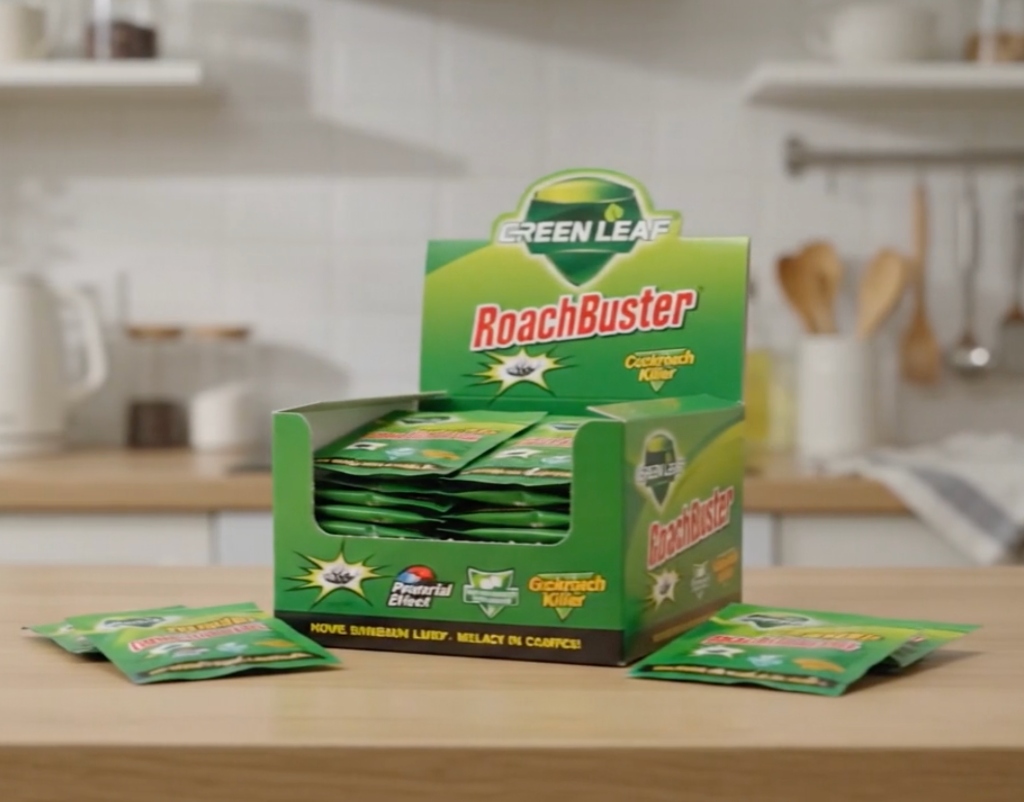
To maintain flawless sanitary standards and secure your health department score, the RoachBuster dry active sachet system provides an elite B2B commercial solution:
Refrigerated prep tables and cold counters are the most underestimated harbourage in commercial kitchens. Each one combines a compressor bay running at a steady warm temperature, a condensate tray holding water, a sealed cavity beneath the well that is almost never opened, castors that trap debris, and a hinged lid gasket with a channel full of organic residue. Unlike a dishwasher, a prep table is not obviously a hot wet machine, so it does not attract attention on a cleaning schedule. That is precisely why populations establish there and survive rounds of treatment aimed at the dish pit.
The same logic applies to undercounter fridges, saladettes, pizza prep counters and any unit with a compressor bay on castors. Any kitchen that is seeing recurring activity despite regular treatment should pull the prep line out before doing anything else.
| Unit | Placements | Position |
|---|---|---|
| Refrigerated prep table | 2 | Rear cavity corners plus compressor bay recess, dry |
| Undercounter fridge or saladette | 1 to 2 | Compressor recess at the rear |
| Walk-in cooler exterior | 2 | Outside the door threshold corners and at the condenser penetration |
| Ice machine | 1 to 2 | Dry floor at rear, clear of the drain |
| Prep sink cabinet | 2 | At pipe penetrations |
| Stainless bench legs and wall junction | 2 to 3 | Floor corners behind the bench line |
| Dry store shelving corners | 2 to 3 | Behind stored goods, off cardboard |
| Waste area enclosure | 2 | Floor corners, not in the liner |
Twenty to thirty-five placements across a mid-size kitchen, weighted to the cold line and waste area rather than the visible cook line. The coverage arithmetic guide explains how to build the number for your layout, and our multi-unit plan applies if you share a building with other food tenancies.
A prep line is a food-contact environment with wash-down cleaning and continuous service. Residual sprays cannot be used on food-contact surfaces, they are removed by nightly cleaning where they can be used, and they push a concentrated population deeper into the equipment cavity instead of reducing it. Dry, odourless bait in an enclosed cavity survives the cleaning regime, requires no service interruption and reaches the population where it lives. The mechanism is set out in our powder versus spray versus fogger comparison, and the recurrence pattern that follows repellent treatment is explained in our reinfestation guide.
Quarterly as a minimum, and immediately if you have any activity that persists after a treatment round. Most recurring kitchen problems are solved by this one action.
No. Nothing goes in a food well or on any food-contact surface. Placements go in the enclosed cavity beneath and behind, and in the compressor bay recess.
No. Dry placements need no ventilation period, which is why they suit continuous service operations.
Pepper-like droppings on the underside of the lid gasket channel or on the compressor bay floor, plus shed skins in the coil debris. Those appear well before you see insects during service.
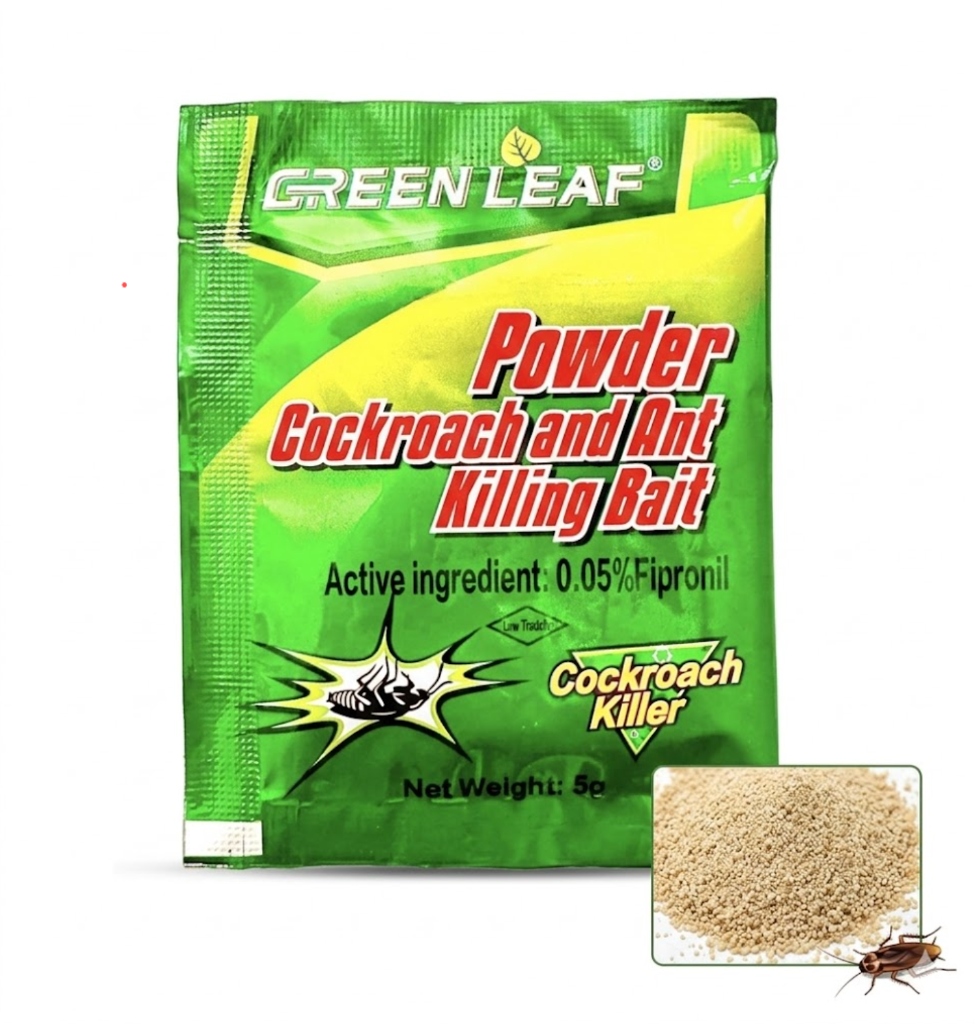
The cold line, not the cook line, is where kitchen populations live. Pull refrigerated prep tables out quarterly, empty the condensate tray, vacuum the compressor bay, place twenty to thirty-five dry sachets weighted to cold units and the waste area, and run it as a programme with a named owner and a written trigger for escalation. A five-box case covers a mid-size kitchen for a year at about eighty cents per sachet, with a 30-day money-back guarantee.
Always use any bait product as directed on its label, and keep placements out of reach of children and pets. This is general operational guidance, not regulatory advice.
Maintain sanitisation compliance. Protect prep spaces, dishwashers, and compressors with the RoachBuster 3-Box Bundle.
Free shipping, secure Stripe checkout, and a 30-day money-back guarantee.
Next steps: the building-wide plan for multi-unit properties, how many sachets a full round actually takes, and how to tell whether a treatment is working.
Treating an active infestation? One box treats one room, once. The 3-Box Kit — $120 (150 sachets, save $59.97) covers a full apartment through the complete 3-4 week treatment cycle; a $47 single box (50 sachets) covers a single-room problem. Ships within 1 business day, typical delivery 6-10 days · Free tracked shipping · 30-day money-back guarantee.
Choose your kit →
Live sightings are the worst measure of progress. How to read fresh droppings, dead insects and trap catch rates...

Found roaches tonight? The first 48 hours decide whether your treatment works. Hour one containment, the after-d...
Coverage is about cavities, not square footage. Room-by-room sachet counts, realistic totals for studios through...
Your anonymous feedback helps us improve our educational home defense resources.