
Roach Control for Multi-Unit Buildings: A Landlord Treatment Plan
Treating one flat in a connected block fails predictably. How to survey across unit boundaries, quantify a build...
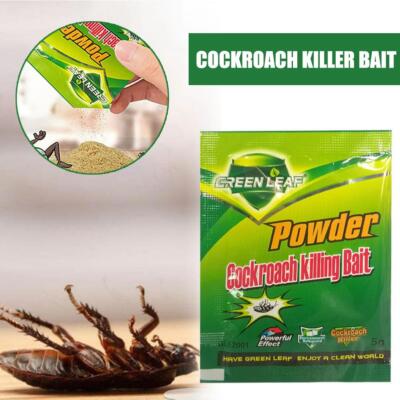
You treated, it went quiet, and now they are back. That sequence is common enough to be predictable, and in almost every case it comes down to one of six causes rather than the product having stopped working. Reinfestation is not the same as a failed treatment, and the fix is different depending on which of the six you are dealing with. Work through them in order. Our breakdown of realistic roach treatment timelines shows what progress should look like week by week.
A resurgence at two to four weeks and a resurgence at three to six months are completely different problems.
| When they came back | Almost always means | What to do |
|---|---|---|
| Days 10–30 | Eggs laid before you treated have hatched | Top-up round in the same voids — this is expected |
| Months 2–6 | A source you never treated, or re-entry from outside | Find the untreated void or the entry point |
| Same room, days after cleaning | You removed or disturbed the placements | Replace and leave alone |
| New room entirely | Population relocated away from treatment | Widen the placement map |
The first row is the one people misread most often. An egg case is a sealed capsule; nothing you place will reach the developing insects inside it. When it hatches on its own schedule, you get a fresh cohort of pale nymphs and it feels like the treatment collapsed. It did not — you are seeing the tail of the original population. The guide to egg cases explains the timing, and the week-by-week timeline shows where that wave should sit.
This is the single biggest driver of “it came back”. People complete a first round, watch it work, and stop. Three weeks later the hatch wave arrives into a home with no active placements left. Plan the top-up from the beginning — roughly a third of your original placement count, concentrated in the voids that were busiest. The coverage math includes the top-up figure so you buy enough the first time.
If activity reappears in a room you did not treat, the population simply relocated. The usual suspects are the bathroom vanity, the washing machine plinth, a boiler or meter cupboard, and the void behind a fridge that was too heavy to move on the first pass.
The way to find it is not to guess. Run a two-night sticky trap survey again, this time including every room, not just the ones with previous sightings. The trap mapping method will show you the traffic. The laundry room guide covers the appliance voids most often missed.
In flats, terraces and anything with shared walls, risers or a common basement, your unit may be the symptom rather than the cause. You can treat perfectly and still get a steady supply through a pipe collar. Two things have to happen: seal your own penetrations, and get the building treated.
A treatment that ran alongside a tidy fortnight and then met a normal month is a common story. Bait competes with whatever else is on offer, and the resources that sustain a population are rarely obvious crumbs. A dripping trap, condensation behind a fridge, a pet bowl left down overnight, cardboard stored in a warm cupboard — any of these will support a rebuild.
The clean-home attractants guide lists the sources that survive an ordinary cleaning routine. Fixing the water is usually worth more than fixing the food.
Wider reading: the complete Roach Control Guide maps every article on the site by the question you are trying to answer — first 48 hours, identification, method, room by room, comparisons, safety, rentals and local conditions.
Using RoachBuster for this? Keeping fresh placements at the entry points is the cheapest form of insurance against a rebuild. A single box is $47 with 50 odorless, stainless dry powder sachets, free shipping, and a 30-day money-back guarantee. See the box and bundles.
Always use as directed on the product label, and keep placements away from children and pets.
Reinfestation sometimes has a delivery date. Cardboard boxes from a warehouse, a second-hand appliance, luggage, grocery deliveries, a laptop bag from a workplace with a problem. A single gravid female is enough to start again in a clean home.
Deep-cleaning a treated cabinet, reorganising a cupboard, replacing an appliance, or a well-meaning family member tidying up will all remove the treatment. If activity returns immediately after any household change, check whether the placements are still where you left them before concluding anything else.
Persistent recurrence despite a correctly executed round usually means a structural or building-wide cause: a defective drain, a void you cannot access, a neighbouring unit, or a shared basement. That is an inspection problem rather than a product problem. The cost comparison sets out where paying for a professional inspection becomes the cheaper option.
Usually not. It means either the hatch wave arrived with no active placements left, or there is an untreated void or an external source.
In a home with no shared walls and no recurring history, once activity has been clear for a couple of months you can rely on sealing and housekeeping. In flats with shared voids, keeping permanent placements at entry points is sensible.
Behavioural avoidance of repellent products is a well-known problem, which is one reason non-repellent baiting is preferred. Repeated spraying of the same area is far more likely to cause avoidance than a bait placement is.
Keep the ones that were clearly working and add new ones where the traps show traffic. Do not shuffle placements around without data.
Temperature and moisture drive activity. Seasonal recurrence usually means a population is persisting somewhere in the structure and becoming visible when conditions favour it, so look for the void rather than treating the season.
Reinfestation inside a month is the hatch wave and needs a top-up round. Reinfestation after two months means an untreated void, an entry point, a resource you restored, or something carried in. Date the recurrence, trap before you treat, fix water first, place a full round, diarise the top-up, and seal the gaps. Always use as directed on the product label, and keep placements away from children and pets.
Treating an active infestation? One box treats one room, once. The 3-Box Kit — $120 (150 sachets, save $59.97) covers a full apartment through the complete 3-4 week treatment cycle; a $47 single box (50 sachets) covers a single-room problem. Ships within 1 business day, typical delivery 6-10 days · Free tracked shipping · 30-day money-back guarantee.
Choose your kit →

Treating one flat in a connected block fails predictably. How to survey across unit boundaries, quantify a build...

Found roaches tonight? The first 48 hours decide whether your treatment works. Hour one containment, the after-d...

Asthma, a newborn, a shared ventilation system or a tenancy clause can rule out aerosols entirely. The no-odour ...
Your anonymous feedback helps us improve our educational home defense resources.