
Is Your Roach Treatment Working: Signs of Progress and Stalling
Live sightings are the worst measure of progress. How to read fresh droppings, dead insects and trap catch rates...

When a home experiences a pest problem, the immediate goal is elimination. But the method you choose matters. Far too many homeowners solve a temporary insect problem only to introduce a lasting chemical odor or permanent oil stain to their cabinets, walls, and flooring. Roaches walking past your placements? See the five real reasons in roach bait not working, then compare formats in our best roach killer powder guide.
Traditional pest control relies heavily on aerosol sprays, chemical foggers, and sticky bait gels. Unfortunately, these methods carry heavy physical drawbacks:
For a modern, premium home routine, dry powder bait in localized, targeted placements offers a highly refined alternative:
1. Completely Scent-Free: High-performance dry powder does not evaporate or release airborne fumes. It has zero smell, making it the perfect choice for homes with children, pets, or individuals sensitive to chemical odors.
2. 100% Stainless Protection: Dry powder does not contain greasy oils or sticky binding agents. It can be placed inside protective sachet papers or tucked cleanly into dry crevices. It leaves zero residue, does not discolor cabinetry, and can be swept or vacuumed up in seconds if you ever need to clear the area.
3. Out of Reach Placement: Because powder is highly localized, you can place it surgically in deep corners, inside gaps, and behind appliances—entirely out of sight and out of reach of children and household pets.
Your home is a sanctuary, not a chemical treatment site. By selecting clean, odorless, and stainless dry bait powder, you can eliminate pests without sacrificing the comfort, safety, and visual beauty of your living space.
If you are wondering why a spotless kitchen still has activity, the answer is usually water, heat and tight gaps rather than crumbs. See what attracts roaches to a clean home.
Next steps: how to tell whether a treatment is working, what to do in the first 48 hours, and why roaches come back after treatment.
The smell of a conventional pest treatment is almost never the active ingredient. Active ingredients are typically used at fractions of a percent. The smell comes from the carriers: petroleum distillates, glycol ethers, alcohols and propellants, plus any fragrance added to mask them. Those carriers exist to move the active from the can to the surface, and once they have done that job they evaporate into the room air you are breathing. That is the whole reason ventilation periods and re-entry intervals exist on such labels.
An odourless product is not a deodorised version of the same thing. It is a product built without a volatile carrier, which usually means a dry formulation where the active does not need a solvent to be delivered. Removing the carrier removes the smell, the ventilation period and the airborne exposure route at the same time.
| Situation | Smelly formulation | Odourless dry format |
|---|---|---|
| Occupied home with children | Vacate and ventilate per label | Place and continue normal use, per label |
| Small flat with shared ventilation | Neighbours smell it | Nothing to detect |
| Asthma or chemical sensitivity in the household | Frequently a problem | No airborne carrier |
| Home with birds or fish | Serious risk from aerosols | Avoid tank area; no aerosol involved |
| Rental property viewing or house sale | Buyers read smell as concealment | Nothing to notice |
| Commercial kitchen or breakroom | Out-of-hours work required | Place during normal operation |
| Nursery or child bedroom | Residue on soft furnishings | Enclosed placement at boundary points |
The three often travel together in dry bait formats, which is why they get bundled in marketing, but they are independent properties. A product can be odourless and still repellent, which would be a poor choice. Always check the third claim, and see our method comparison for why it matters more than the other two.
No ventilation period, so treatment fits around occupied homes, tenanted flats, childcare settings and working kitchens. No residue, so cabinet interiors, painted surfaces and rental deposits are unaffected. No airborne exposure route, which matters for asthma, infants, pets, birds and fish. Longer placement life, because there is no solvent to evaporate and no gel to crust. And crucially, because dry non-repellent bait does not disperse populations, it does not convert one harbourage into several or push a problem into a neighbouring flat, which is the failure pattern described in our recurrence guide.
You keep a placement card listing every position and date. That is better practice than relying on smell in any case, and it is what lets you replace placements systematically.
Power is the wrong frame. What determines the outcome is whether the material reaches the population inside voids, which depends on attraction, non-repellency and delayed action rather than on smell or immediate knockdown.
Follow the specific label. Dry non-volatile formats generally require no ventilation period, which is one of their main practical advantages.
Avoid heavy scented cleaning in the cabinets you are baiting, because strong residues can reduce bait acceptance. Plain detergent is the better choice in treated areas.
The smell of conventional products is the carrier, not the active, and removing the carrier removes the smell, the ventilation period and the airborne exposure route together. Check three claims, odourless, non-staining and non-repellent, and treat the third as the one that decides whether it works. Accept slower visible results in exchange for coverage, safety and no residue. One box of fifty sachets covers a whole home with none of the three drawbacks, backed by a 30-day money-back guarantee.
Always use any product as directed on its label, and keep placements out of reach of children and pets.
Treating an active infestation? One box treats one room, once. The 3-Box Kit — $120 (150 sachets, save $59.97) covers a full apartment through the complete 3-4 week treatment cycle; a $47 single box (50 sachets) covers a single-room problem. Ships within 1 business day, typical delivery 6-10 days · Free tracked shipping · 30-day money-back guarantee.
Choose your kit →
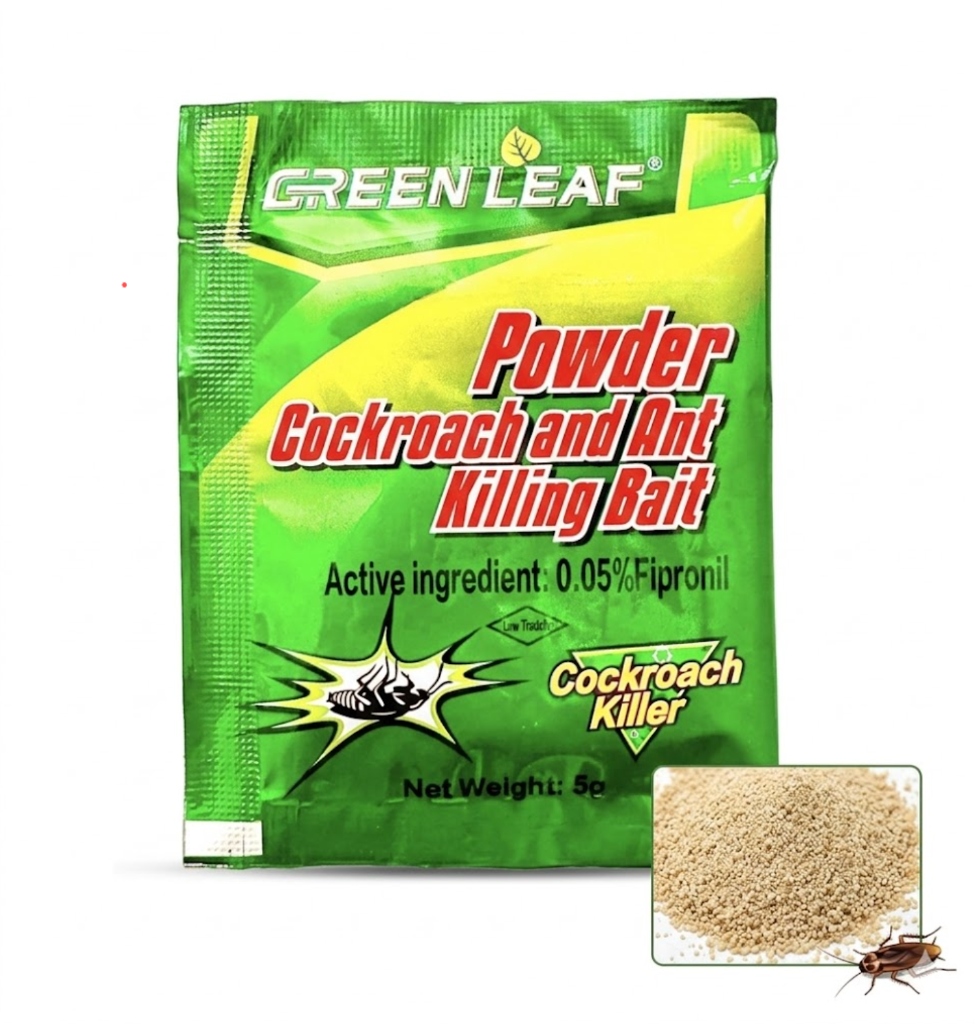
Live sightings are the worst measure of progress. How to read fresh droppings, dead insects and trap catch rates...
Found roaches tonight? The first 48 hours decide whether your treatment works. Hour one containment, the after-d...
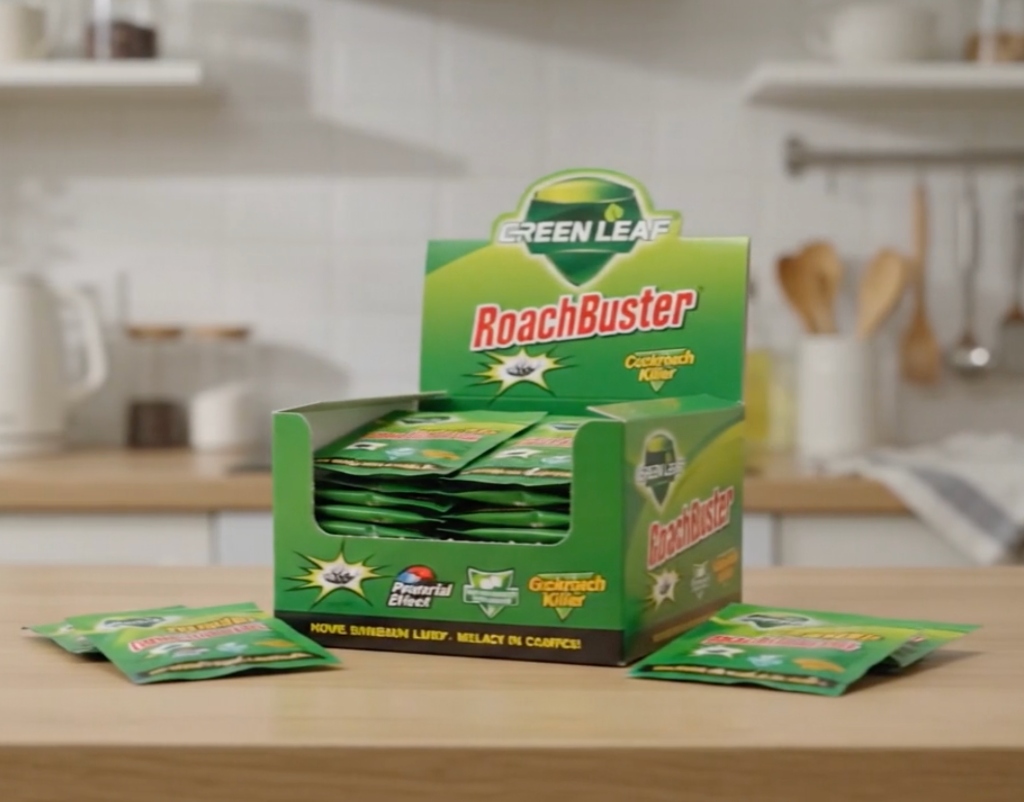
Coverage is about cavities, not square footage. Room-by-room sachet counts, realistic totals for studios through...
Your anonymous feedback helps us improve our educational home defense resources.