🛡 30-Day Money-Back Guarantee  |  🚚 FREE Tracked Shipping — ships within 1 business day  |  ⭐ 4.5/5 Stars  |  🌿 100% Eco-Friendly
ORDER NOW — Free Tracked Shipping →

Tag: extermination failure

  • Restaurant Dishwasher Hotspots: Safe Pest Control Around Heat Engines

    Restaurant Dishwasher Hotspots: Safe Pest Control Around Heat Engines

    Commercial dishwashers, heavy prep tables, and hot line compressors are extreme cockroach magnets. These zones are subjected to constant steam, high temperatures, washing detergents, and grease. Pests naturally nest deep inside the insulation panels, hollow stainless steel furniture legs, and electrical lines. Finding the harborage is half the job — our guide to finding a roach nest in 48 hours shows exactly where to look first.

    Why Traditional Commercial Spraying Fails

    Spraying toxic chemical liquids around commercial food prep spaces is strictly regulated and highly dangerous. Chemical solvents risk cross-contaminating clean silverware, pans, and ingredients. Additionally, standard commercial pesticide sprays are repelled by grease coatings and wash away quickly during nightly kitchen washdowns.

    The Clean, B2B dry Sachet System

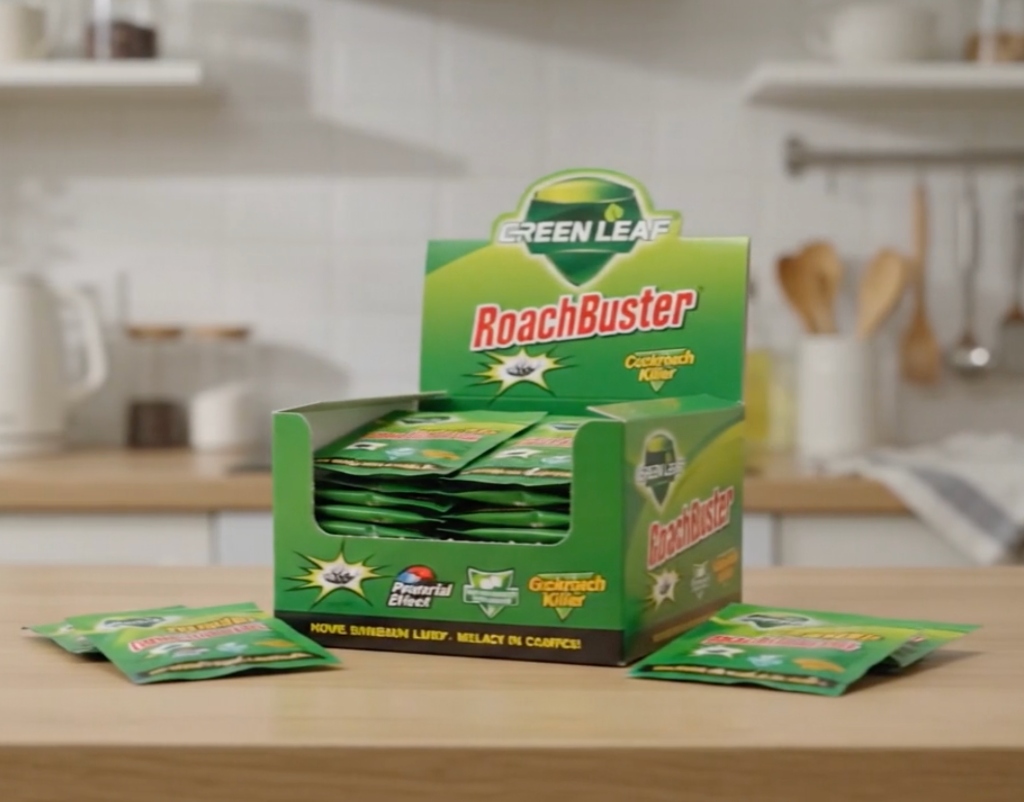
    To maintain flawless sanitary standards and secure your health department score, the RoachBuster dry active sachet system provides an elite B2B commercial solution:

    • Steam & Heat Durability: Unlike cheap running gel baits that dissolve under hot water lines, our active dry powder remains locked within durable, moisture-resistant paper sachets.
    • Odorless Compliance: 100% fume-free and completely odorless. Food service operations can remain active during baiting without chemical spray shut-downs.
    • Zero Residue, Zero Mess: The dry sachets leave no sticky residues on stainless steel tables, making cleanups fast and simple during nightly food audits.

    Heat engines are the reason kitchens fail inspections

    A commercial dishwasher, a glasswasher, a combi oven and a coffee machine all share the same profile: continuous heat, continuous moisture, a motor cavity that never gets cleaned, and a base that nobody moves. That is a breeding chamber with a permanent climate. It is also, crucially, a place where you cannot use most conventional treatments, because you are dealing with food-contact equipment, high temperatures, electrical connections and wash-down cleaning that will remove anything applied to a surface.

    This is why kitchens that are genuinely clean still fail. The cleaning regime addresses every surface a health inspector can see and nothing inside the equipment cavity where the population actually lives.

    Mapping the heat and moisture cavities

    EquipmentCavity that holds populationSafe placement position
    Pass-through dishwasherMotor and pump housing base, door hinge recessDry floor void beneath the machine at the rear corners
    Undercounter glasswasherBase plinth cavityBehind the plinth kick, at the rear
    Combi ovenRear service panel void, condensate tray surroundAdjacent dry floor at the rear, never inside the panel
    Coffee machine and grinderBase recess, grounds drawer voidBehind the machine on a dry shelf surface
    Ice machineCompressor bay, drain line surroundDry floor at the rear, clear of the drain
    Bain marie and hot holdElement bay undersideDry floor beneath, at the rear
    Prep fridge and undercounter unitsCompressor recess, condensate trayRear compressor recess, dry side

    The rule in every case is the same. Place adjacent to the cavity on a dry, cool, non-food-contact surface, never inside a service panel, never in an electrical enclosure, never in the wash-down zone and never where a placement can be swept into a floor drain.

    Fitting treatment around service and cleaning

    1. Place during a full close, not between services, so nothing gets moved mid-shift.
    2. Mark placements on a kitchen floor plan and post it inside the chemical cupboard so the closing team knows where they are.
    3. Instruct the deep-clean crew explicitly: placements are not rubbish, and they must be replaced rather than discarded if they are moved.
    4. After any wash-down or pressure-clean, check the affected placements and replace anything wet.
    5. Log every placement and every replacement with a date and initials, because that log is what your auditor will ask for.
    6. Re-inspect at fourteen days, then monthly as part of the planned preventive maintenance walk.

    Why dry, odourless bait fits a working kitchen

    Three constraints make aerosols and residual sprays a poor fit for commercial kitchens: food-contact surfaces cannot carry residue, service windows leave no ventilation period, and any detectable odour in a dining room is a customer-facing failure. A dry, odourless sachet placed in an enclosed cavity satisfies all three, and it survives the reality that kitchen floors get flooded and squeegeed every night, provided you position it out of the water path. Our comparison of powder, spray and fogger explains the mechanism, and the odourless options guide covers where each approach has limits.

    The mistakes that keep kitchens on repeat callouts

    • Treating the front of house because that is where guests saw one. The population is behind the dish pit. Guest sightings are downstream of the source.
    • Cleaning around equipment rather than moving it. Once a quarter, machines come out on castors or off their plinths. Nothing else exposes the real harbourage.
    • Leaving cardboard in dry stores. Deliveries are the most common reintroduction route in food service. Decant to plastic and get cardboard out the same day.
    • Placements in the wash-down path. A soaked sachet is an inert sachet. Position, then verify after the first close.
    • Treating one kitchen in a shared building. Neighbouring tenancies share risers and voids, which is the recurrence mechanism explained in our reinfestation article.

    Questions kitchen managers ask

    Where exactly can I place near a dishwasher?

    On the dry floor void at the rear corners of the machine, behind the plinth kick, or on a dry adjacent shelf at the rear. Not inside the machine, not in the door channel, not near the drain and not on any surface that contacts crockery.

    Do we need to stop service?

    No. Placement takes minutes and needs no ventilation period, which is the main operational advantage over aerosols in food service.

    What does an auditor want to see?

    A floor plan with placement positions, a dated log, the product label and safety data sheet, evidence of exclusion work such as door sweeps and drain covers, and a record of how sightings were actioned.

    How many placements does a mid-size kitchen need?

    Typically twenty to thirty-five across the dish pit, cook line, prep fridges, dry stores and waste area. The coverage arithmetic gives the reasoning.

    The short version

    The heat engines are the habitat. Place dry, odourless sachets adjacent to dishwasher, oven, ice machine and prep-fridge cavities on dry non-food-contact surfaces, keep them out of the wash-down path, tell the deep-clean crew they exist, and log every round. A five-box case covers a mid-size kitchen for a full year of monthly rounds at about eighty cents per sachet, with a 30-day money-back guarantee.

    Always use any bait product as directed on its label, and keep placements out of reach of children and pets. This is general operational guidance, not legal or food-safety regulatory advice; requirements vary by jurisdiction and by inspecting authority.

    Secure Your Commercial Kitchen Score Symmetrically

    Maintain sanitisation compliance. Protect prep spaces, dishwashers, and compressors with the RoachBuster 3-Box commercial Bundle.

    Free shipping, secure Stripe checkout, and a 30-day money-back guarantee.

    Next steps: the building-wide plan for multi-unit properties, how many sachets a full round actually takes, and how to tell whether a treatment is working.

    Treating an active infestation? One box treats one room, once. The 3-Box Kit — $120 (150 sachets, save $59.97) covers a full apartment through the complete 3-4 week treatment cycle; a $47 single box (50 sachets) covers a single-room problem. Ships within 1 business day, typical delivery 6-10 days · Free tracked shipping · 30-day money-back guarantee.
    Choose your kit →
  • The Food Safety Audit Guide: Safe Extermination for Commercial Kitchen Audits

    The Food Safety Audit Guide: Safe Extermination for Commercial Kitchen Audits

    For commercial bakeries, cafes, and restaurant kitchens, passing rigorous local health department audits is a prerequisite for operational survival. A single crawling pest sighted in food-prep areas can trigger immediate closure, thousands in fines, and catastrophic brand damage. If sightings keep pointing back to one area, use our guide to locating the nest together with the 21-day German roach treatment plan.

    The Rigorous Food safety standard

    Health inspectors check warm micro-cavities around ovens, dishwasher panels, steam prep tables, and dry food storage racks. Sighting live cockroaches or droppings results in immediate critical violations on your audit score.

    Why Traditional Spraying Violates Food safety Guidelines

    Spraying active commercial kitchens with repellent chemical liquids is highly dangerous. Toxin aerosols risk contaminating food prep lines, plates, and dry goods. Additionally, the strong chemical odors force cockroaches to scatter deeper inside structural walls, spreading the nest and violating safety rules.

    The Clean, B2B dry Sachet System

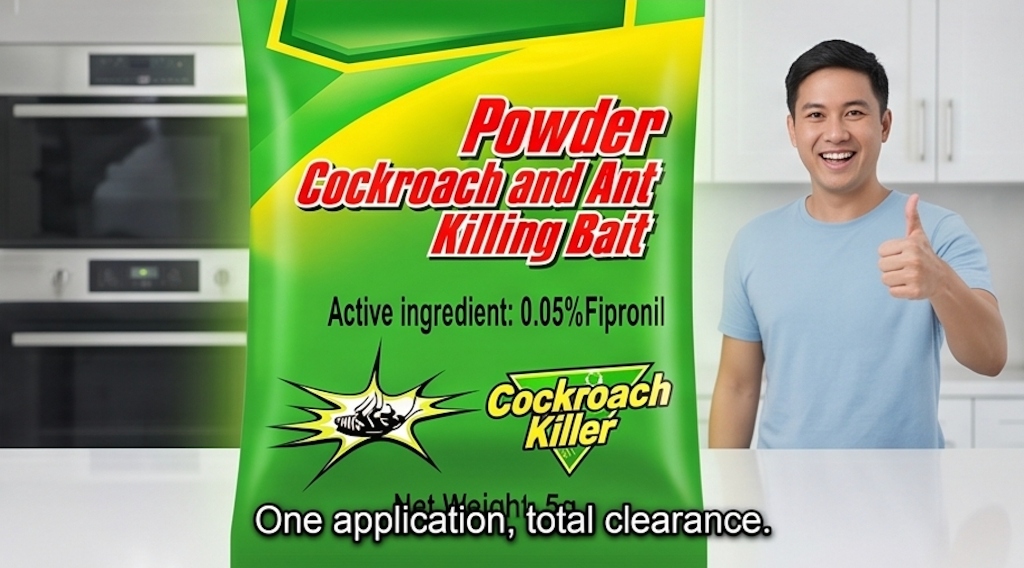
    Maintain a perfect health department score without chemical spraying or operational shutdowns with the **RoachBuster sachet system**:

    • Odorless Compliance: 100% dry and odorless. Cafe and bakery prep lines can remain fully active during treatment.
    • Steam & Heat Resistant: Dry active powder inside water-resistant paper sachets remains potent next to dishwasher pipes, ovens, and compressors.
    • No Residues: Leaves zero sticky stains or runny gel messes on stainless steel tables, passing rigorous inspection guidelines.

    What an auditor is actually scoring

    Operators tend to prepare for a food safety audit by cleaning. Auditors, however, are not scoring cleanliness in isolation. On the pest control section they are scoring whether a documented, monitored, effective programme exists, and whether the site can demonstrate that it finds and fixes problems without being told. That is a paperwork and process test as much as a physical one, which is why a spotless kitchen with no records can score worse than a busy kitchen with a well-kept file.

    Three findings account for most pest-related non-conformances: evidence of activity in an area that was not being monitored, a monitoring log with gaps, and corrective actions with no closure date. All three are avoidable at no real cost.

    The pre-audit walk, in the order an auditor does it

    1. Goods-in and dry store. Cardboard on the floor, pallets against walls, spillage under shelving. This is where auditors start because it is where problems arrive.
    2. Waste area and external bins. Lids, standing water, grease residue on the ground, distance from the door.
    3. Dish pit and equipment bases. Behind and beneath every machine, with a torch.
    4. Floor drains and gullies. Covers present, no standing residue, no smell.
    5. Voids and service penetrations. Gaps around pipes, conduit and behind wall boxes.
    6. Ceiling voids and lighting. Insect debris in diffusers is a classic finding.
    7. Finally, the documentation. Plan, log, labels, safety data sheets, corrective actions, contractor reports.

    Walk it yourself in that order the week before. Anything you find, fix and record becomes evidence of a working system rather than a finding against you.

    The document set

    DocumentWhat it must showCommon failure
    Site planEvery monitoring and placement position, numberedPlan not updated after a kitchen refit
    Monitoring logDate, position, result, initialsGaps during holiday periods
    Product recordsLabel and safety data sheet for everything on siteMissing sheet for a product bought locally
    Corrective action logIssue, action, owner, closure dateActions recorded but never closed
    Contractor reportsVisit dates and recommendationsRecommendations never actioned
    Training recordsWho is authorised to place productNo record at all
    Exclusion worksSweeps, seals, screens and drain covers fittedVerbal claim with no evidence

    Why placement choice affects the audit result

    Auditors look at whether the treatment is appropriate to a food environment. Residual sprays and aerosols in food-contact areas invite questions about residue, ventilation and product suitability, and they are difficult to evidence after the fact. Discreet, dry, odourless sachets placed in enclosed non-food-contact cavities are simple to plan, simple to number on a drawing and simple to log, which is exactly what the documentation section rewards. Our comparison of methods covers the practical differences, and the odourless guide covers the constraints in occupied and food-handling spaces.

    The week before, the day before, the day of

    • Week before. Full self-audit walk, fix and record. Update the plan. Close out every open corrective action or give it a dated owner.
    • Day before. Deep clean equipment bases with machines pulled out. Verify every placement is present, dry and logged. Clear all cardboard.
    • Day of. Have the file physically on site and in order. Nominate one person who can explain the programme, the placement positions and the last three corrective actions from memory.
    • After. Turn every observation into a dated action with an owner. Auditors compare the previous report to the current site, and unclosed items from last time weigh heavily.

    Questions operators ask

    Do we need a contractor to pass?

    Many schemes and jurisdictions expect a professional programme for food businesses; some permit in-house preventive measures alongside it. Check your scheme requirements and local licensing, because the licence condition overrides general guidance.

    Is finding activity automatically a fail?

    Not usually. Finding activity that your own monitoring had already identified and actioned is very different from an auditor finding activity you did not know about.

    How many placements does a compliant kitchen carry?

    Typically twenty to thirty-five for a mid-size kitchen, numbered on the plan. Our coverage arithmetic explains how to derive the number for your layout.

    What if activity is coming from a neighbouring tenancy?

    Document it, notify the landlord in writing and record the response. Shared-void reinfestation is a recognised scenario and is described in our recurrence guide; auditors accept it far more readily when it is evidenced.

    The short version

    Audits are won on documentation and lost on unmonitored areas. Walk goods-in, waste, equipment bases, drains, voids and ceilings yourself the week before, fix and record everything, keep a numbered plan with a gap-free log, and use discreet dry placements that are easy to evidence. A five-box case equips a mid-size kitchen for a year of monthly rounds, with a 30-day money-back guarantee.

    Always use any bait product as directed on its label, and keep placements out of reach of children and pets. This is general operational guidance, not legal, veterinary or regulatory advice.

    Pass Food Safety Audits Symmetrically

    Avoid critical violations. Secure bakeries, cafe lines, and prep engines with the RoachBuster 3-Box commercial Bundle.

    Free shipping, secure Stripe checkout, and a 30-day money-back guarantee.

    Next steps: the building-wide plan for multi-unit properties, how many sachets a full round actually takes, and how to tell whether a treatment is working.

    Treating an active infestation? One box treats one room, once. The 3-Box Kit — $120 (150 sachets, save $59.97) covers a full apartment through the complete 3-4 week treatment cycle; a $47 single box (50 sachets) covers a single-room problem. Ships within 1 business day, typical delivery 6-10 days · Free tracked shipping · 30-day money-back guarantee.
    Choose your kit →
  • Fast-Spreading Infestations: The 48-Hour Containment Protocol

    Fast-Spreading Infestations: The 48-Hour Containment Protocol

    Discovering a fast-spreading cockroach infestation in your home can trigger immediate panic. Cockroaches reproduce at an exponential rate—a single female German roach and her offspring can produce thousands of descendants in a single season. To stop a sudden outbreak before it becomes chronic, you must act within a 48-hour window using a highly-converting, direct containment protocol. For honest expectations before you start, see how long roach treatment actually takes, method by method, and our prevention plan for after you are clear.

    Hour 1 to 12: Thermal Isolation & Moisture Control

    Cockroaches cannot survive without water and require warm shelter. Immediately cut off their resources:

    • Dry All Sinks and Pipes: Wipe down kitchen and bathroom sinks, dry out shower basins, and dry out refrigerator condensation pans.
    • Contain Open Foods: Seal all dry goods, pet kibble, and bread inside airtight plastic bins.

    Hour 12 to 24: Avoid Repellent Chemical Sprays

    Do not spray active pest areas with traditional chemical liquids. Repellent sprays will only cause the cockroaches to scatter deeper inside your walls, creating multiple secondary nests that are far harder to eliminate.

    Hour 24 to 48: Deploying the RoachBuster Sachet Matrix

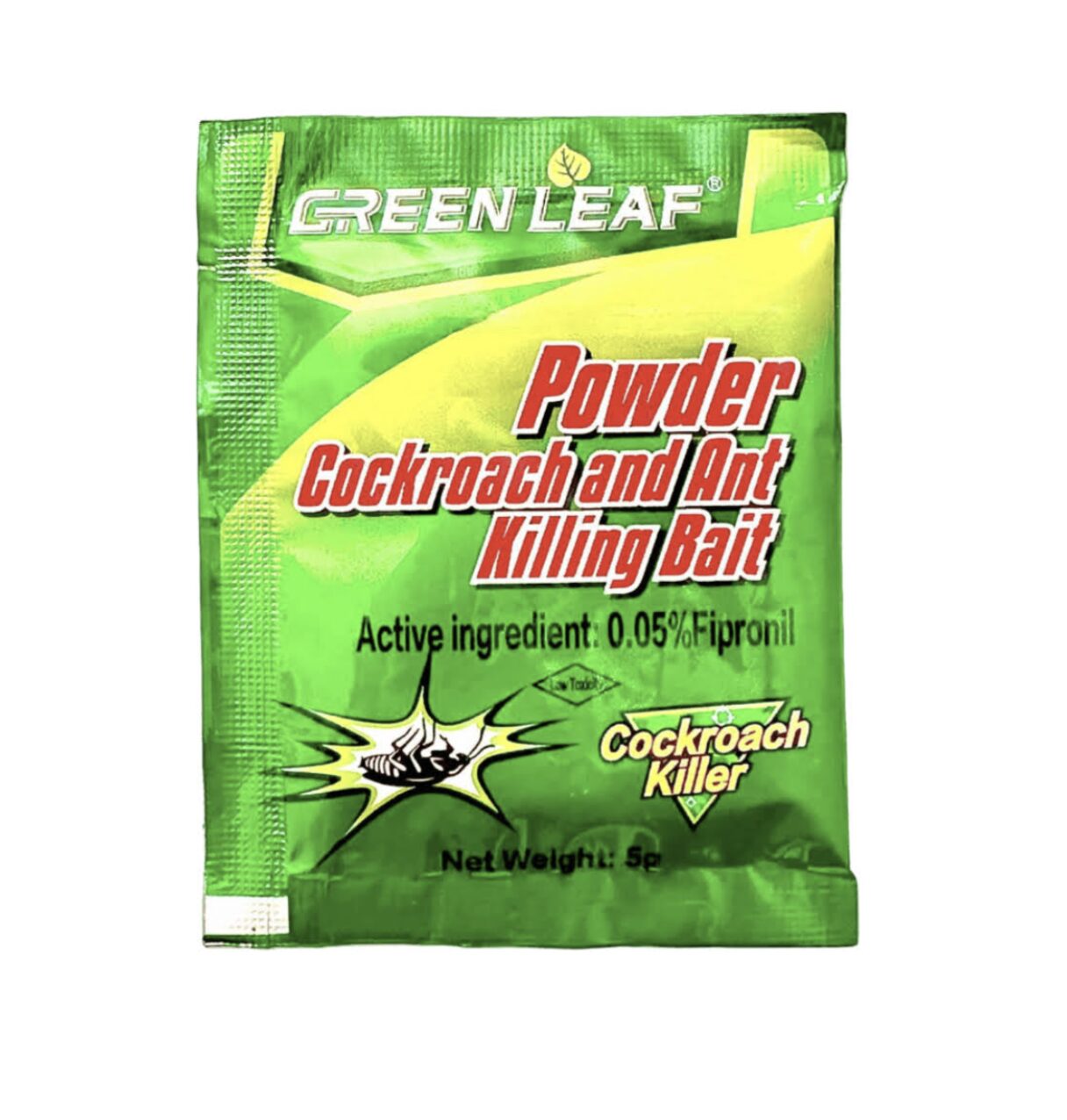
    To wipe out the nesting population at the source before the colony can multiply, deploy the **RoachBuster sachet containment protocol**:

    1. Target Nesting Hotspots: Slide dry active sachets behind appliances, inside cabinet hinges, under sinks, and adjacent to plumbing shafts.
    2. Create Symmetrical Barriers: Place sachets along baseboards and shared-wall boundaries to intercept migrating roaches.
    3. Complete Nest Elimination: The dry paper sachets quietly attract and eliminate the nesting population at the source, stopping the infestation within 48 hours without introducing messy stains or chemical smells.

    Why forty-eight hours is the meaningful unit

    A German cockroach population does not grow smoothly. It grows in steps, because each female carries an egg case containing roughly thirty to forty eggs and produces several over her life. The population you can see is a fraction of the population that exists, and the difference between acting on day one and acting on day thirty is often the difference between one treatment round and four. Containment inside the first forty-eight hours matters because in that window you are dealing with a localised population that has not yet spread along the plumbing and electrical routes into adjoining rooms or adjoining units.

    Containment is a separate objective from elimination. Elimination takes weeks. Containment takes two days, and it decides how much work elimination will be.

    Hour zero to hour four: stop the spread

    1. Identify the epicentre. Population density is highest within about three metres of your first sighting of small insects.
    2. Remove the water. Dry the sink, fix the drip, empty the drip tray, dry the shower floor, remove pet water bowls overnight. Water is the limiting resource and removing it slows growth immediately.
    3. Remove open food. Everything loose into sealed containers. This is not about hygiene as a virtue; it is about making your bait the most attractive food available.
    4. Do not spray anything. Repellent aerosols are the single action most likely to convert a contained problem into a whole-house problem.
    5. Close the internal routes you can close quickly: cabinet pipe penetration gaps stuffed with wire wool, a rolled towel at the door of the affected room overnight, and a bath panel refitted.
    6. Get bait down in the epicentre. Dense placement in and around every harbourage within that three-metre radius, not a light spread across the house.

    Hour four to hour twenty-four: define the boundary

    Now find out how far it has already gone. Place sticky monitors or simple index cards dusted with flour at the boundary of the affected room, at the door threshold, under the sink of the next room along, behind the fridge if the fridge is outside the epicentre, and in any adjoining bathroom. Check them at first light. Activity outside the epicentre means the population has already crossed the boundary, and your placement round has to expand to cover those rooms too. No activity at the boundary after twenty-four hours is the single most reassuring signal you can get, and it means you can concentrate resources.

    Hour twenty-four to forty-eight: lock it in

    ActionWhy it matters at this point
    Complete a full placement round in every room showing boundary activityPrevents a second epicentre forming
    Seal every pipe penetration and wall box you can accessRemoves the routes the population uses to expand
    Remove cardboard from the whole propertyCardboard is both harbourage and transport
    Set a fourteen-day and a thirty-day inspection date in your calendarMost failures are scheduling failures, not product failures
    Notify the landlord or building manager in writing if you share wallsStarts the clock on neighbouring units, which is where recurrence comes from
    Photograph placements and evidence with datesProtects you in any later dispute and helps you compare progress

    The counts to use for the placement round are in our coverage arithmetic guide, the day-by-day version of this sequence is in our first 48 hours plan, and what to expect afterwards is in our guide to reading progress.

    Containment mistakes

    • Spraying the epicentre. It scatters the population outward through the exact routes you are trying to close.
    • Deep cleaning before baiting. Cleaning is useful but it is not urgent. Baiting is urgent.
    • Treating the whole house lightly. Density at the epicentre beats coverage everywhere, every time.
    • Removing bait when sightings rise in week one. Rising visibility is the expected response to a non-repellent product.
    • Waiting to involve neighbours. In shared buildings the neighbouring unit is the reservoir, as our recurrence guide explains.

    Questions people ask

    How do I know if I am dealing with a fast-spreading population?

    Multiple small light-brown insects, daytime sightings, activity in more than one room within a week, and droppings in cabinet corners. Any two of those together means move fast.

    Should I throw out infested appliances or furniture?

    Rarely. Most items can be treated in place. Moving infested items through a building is how populations spread to new rooms.

    Can I contain a problem in a shared building at all?

    You can contain your unit substantially with door sweeps, sealed penetrations and dense placement. You cannot clear the building alone, so report it in writing on day one.

    How long before I know containment worked?

    Boundary monitors at twenty-four and forty-eight hours tell you about spread. Falling counts by day fourteen tell you about the population itself.

    The short version

    In the first four hours remove water, remove open food, seal what you can, and bait densely within three metres of the sighting. In the first twenty-four hours put monitors on the boundary. In the first forty-eight hours expand the round to any room the monitors flagged, seal penetrations, notify the building in writing, and diary your fourteen and thirty-day checks. One box of fifty sachets is enough to contain and treat a typical home, with a 30-day money-back guarantee.

    Always use any bait product as directed on its label, and keep placements out of reach of children and pets. This is general operational guidance, not regulatory advice.

    Contain Sudden Outbreaks Symmetrically

    Take immediate action. Block and eliminate fast-spreading nests with RoachBuster’s 50-Sachet Box today.

    Free shipping, secure Stripe checkout, and a 30-day money-back guarantee.

    One of the clearest early warning signs is activity in daylight. Our guide to seeing roaches during the day includes a five-minute severity assessment.

    Treating an active infestation? One box treats one room, once. The 3-Box Kit — $120 (150 sachets, save $59.97) covers a full apartment through the complete 3-4 week treatment cycle; a $47 single box (50 sachets) covers a single-room problem. Ships within 1 business day, typical delivery 6-10 days · Free tracked shipping · 30-day money-back guarantee.
    Choose your kit →
  • Why Chemical Sprays Make German Roaches Scatter & Fail Symmetrically

    Why Chemical Sprays Make German Roaches Scatter & Fail Symmetrically

    If you have a cockroach infestation, your immediate instinct might be to reach for a can of heavy aerosol pest spray. However, pest science proves that spraying active cockroach nests with repellent chemical liquid is one of the primary reasons infestations become chronic and spread throughout the home. If a product you already placed is being ignored, our guide to why roach bait stops working covers the five usual causes and the fix.

    The Chemical Scattering Effect (Repellency)

    Standard household pesticide sprays rely on highly volatile synthetic pyrethroid chemicals. These compounds act as powerful contact repellents. When you spray baseboards or cabinetry, the strong chemical scent alerts the cockroaches. Rather than crawling through the toxin and dying, the majority of the colony scatters, escaping deeper into wall cavities, electrical lines, and adjacent rooms.

    Shattering the Egg Capsules

    When female German cockroaches are exposed to chemical stress or toxic sprays, they undergo a survival mechanism known as “stress-induced aborting.” They immediately release their oothecae (egg capsules) in hidden wall crevices before they die. A single capsule holds up to 48 baby roach nymphs. Within a few weeks, these eggs hatch inside the walls, creating a massive, secondary outbreak that is completely shielded from your sprayed baseboards.

    The Science of Non-Repellent Attraction

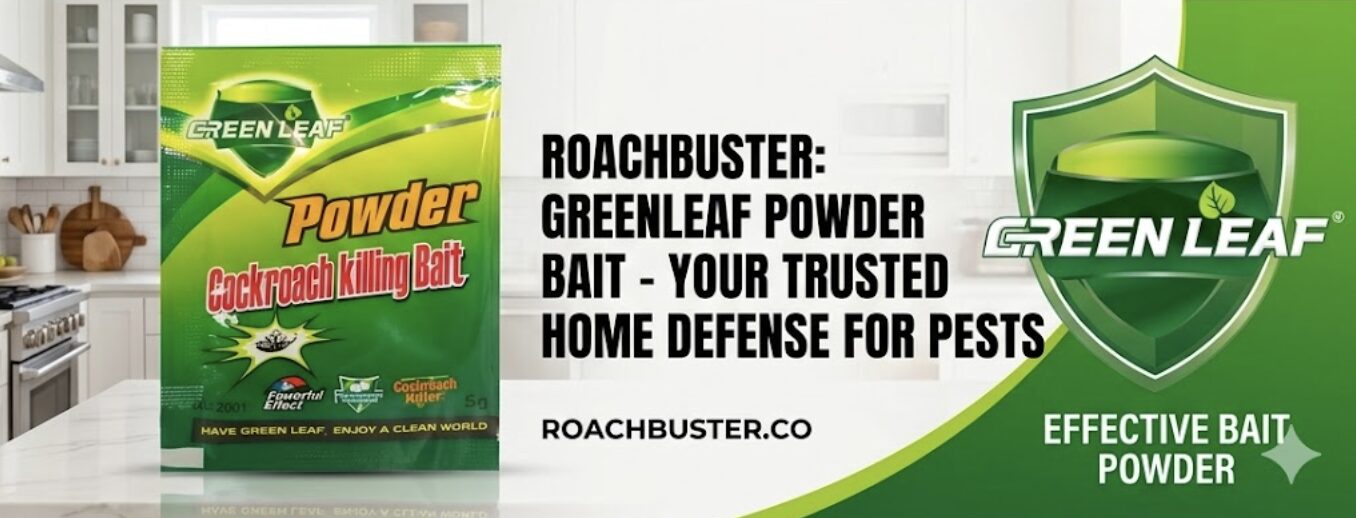
    To eliminate a cockroach infestation permanently, you must use a targeted, non-repellent active formula that attracts pests rather than repelling them. The RoachBuster dry active sachet system uses a surgical attractant matrix:

    • Natural Food Attractants: Pests are drawn to the dry sachet naturally, consuming the active powder without realizing it is toxic.
    • Horizontal Transfer: Cockroaches feed on the active bait, then return to their hidden wall cavities where they share the formula with the rest of the colony through grooming, wiping out the entire nest at the source.
    • Uninterrupted Containment: Since our dry paper sachets emit absolutely zero chemical fumes or repellent odors, the pest population remains contained in localized baiting zones, preventing any scattering.

    Dispersal is a defence, not an accident

    When a repellent insecticide contacts a German cockroach aggregation, the population does not simply try to escape the room. It disperses, which is a specific behavioural response with survival value. Individuals move away from the irritant along the paths of least resistance, which in a building means wall cavities, plumbing chases, electrical conduit and floor voids. Because aggregation is maintained by pheromone deposits rather than by physical structure, a dispersed population can establish several new aggregations very quickly wherever it lands. One harbourage becomes three or four, in rooms that were previously clean.

    This is why the same householder can report that spraying worked at first and then things got much worse. Both observations are accurate. The visible insects in the treated room left, and the population as a whole spread out and grew.

    What dispersal costs you

    Before sprayingAfter dispersalConsequence
    One known harbourageThree or four unknown harbouragesYou lose the information advantage
    Population concentrated near baitPopulation spread across voidsBait uptake drops sharply
    Treatment confined to one roomTreatment now needed in severalCost and time multiply
    Neighbouring units unaffectedPopulation pushed along shared servicesA unit problem becomes a building problem
    Insects foraging normallyInsects avoiding treated surfacesAny subsequent bait placed there is ignored
    One treatment cycleRepeated cyclesThe treadmill most households end up on

    Why non-repellent products behave differently

    A non-repellent bait is designed to be undetectable as a threat. Insects walk over it and feed on it without any avoidance response, so aggregation behaviour continues normally and material moves inward toward the harbourage through feeding, grooming and secondary transfer. Nothing disperses. The population declines where it lives, which is both faster in practice and far less disruptive. The trade-off is patience: you do not get the immediate visual satisfaction of insects running out of a cabinet, and counts often rise in the first week because normal foraging continues while insects begin dying in the open. That first-week rise is the signal that the approach is working, not failing, and it is described in our guide to reading treatment progress.

    If you have already sprayed

    1. Stop spraying. Every additional application widens the dispersal and deepens surface avoidance.
    2. Wash the sprayed surfaces with plain detergent. Removing the repellent residue is what allows bait placed there to be accepted.
    3. Expand your inspection. Check the rooms adjacent to the sprayed room, the plumbing wall on the other side and, in an apartment, the shared wall. Assume the population moved.
    4. Place bait densely and widely. Cover the original harbourage plus every new location your inspection flagged.
    5. Use overnight monitors to find the new aggregations. Index cards dusted with flour, checked at first light, will show you where traffic is now.
    6. Expect a longer timeline. A dispersed population typically takes four to eight weeks rather than two to four.
    7. Notify neighbours or the building if you share walls, because dispersal along shared services is the mechanism described in our recurrence guide.

    Products that cause dispersal

    • Most consumer aerosol contact insecticides, which are formulated for rapid knockdown and are typically repellent.
    • Perimeter and crack-and-crevice sprays based on repellent actives.
    • Total release foggers, which distribute an irritant through open air and are among the most reliable ways to scatter a population.
    • Loose dusts applied in visible layers, which insects walk around rather than through.
    • Strongly scented cleaners used heavily in a harbourage area, which can reduce bait acceptance even without insecticidal effect.

    The full comparison of what each format does and does not achieve is in our powder versus spray versus fogger article.

    Questions people ask

    Is there any situation where spraying helps?

    A targeted professional application has a role in some integrated programmes, for example as a limited exterior perimeter treatment. Untargeted indoor aerosol use in an active harbourage is where the damage happens.

    How do I know if my population has dispersed?

    Sightings appear in rooms that were previously clean, especially bathrooms and adjacent kitchens, and bait uptake in the original room is poor.

    Can dispersed populations be recovered?

    Yes. Wash off the residue, place densely across the wider area, use monitors to locate the new aggregations, and allow four to eight weeks.

    Does this apply to large outdoor roaches too?

    Less so, because they are not aggregating breeders indoors in the same way. The dispersal problem is most acute with German cockroaches.

    The short version

    Repellent sprays trigger a dispersal response that converts one known harbourage into several unknown ones and drives populations along shared services. Stop spraying, wash the residue off, inspect wider, place non-repellent bait densely, use overnight monitors, and allow a longer timeline. One box of fifty sachets gives you enough placements to cover a dispersed population properly, with a 30-day money-back guarantee.

    Always use any product as directed on its label, and keep placements out of reach of children and pets. Product formulations and labels differ between markets and change over time, so read the label of the specific product you buy rather than relying on general category descriptions.

    Break the Spray Loop Symmetrically

    Stop chemical scattering. Attract and eliminate cockroach colonies safely with the RoachBuster 50-Sachet Box.

    Free shipping, secure Stripe checkout, and a 30-day money-back guarantee.

    Next steps: how powder, sprays and foggers differ, how to tell whether a treatment is working, and how many sachets a full round actually takes.

    Treating an active infestation? One box treats one room, once. The 3-Box Kit — $120 (150 sachets, save $59.97) covers a full apartment through the complete 3-4 week treatment cycle; a $47 single box (50 sachets) covers a single-room problem. Ships within 1 business day, typical delivery 6-10 days · Free tracked shipping · 30-day money-back guarantee.
    Choose your kit →

  • Restaurant Dishwasher & Prep Table Hotspots: B2B Commercial Baiting

    Restaurant Dishwasher & Prep Table Hotspots: B2B Commercial Baiting

    For restaurants, cafes, and commercial food businesses, passing local health department kitchen inspections is a absolute prerequisite for survival. A single crawling pest sighted by a customer or inspector can trigger immediate closure, thousands in fines, and catastrophic brand damage on Yelp. Roaches walking past your placements? See the five real reasons in roach bait not working, then compare formats in our best roach killer powder guide.

    The Heat Engine Infestation Hotspots

    Commercial dishwashers, heavy prep tables, and hot line compressors are extreme cockroach magnets. These zones are subjected to constant steam, high temperatures, washing detergents, and grease. Pests naturally nest deep inside the insulation panels, hollow stainless steel furniture legs, and electrical conduit lines directly adjacent to food preparation areas.

    Why Traditional Commercial Pest Spraying Fails

    Spraying toxic chemical liquids around commercial food prep spaces is strictly regulated and highly dangerous. Chemical solvents risk cross-contaminating clean silverware, pans, and ingredients. Additionally, standard commercial pesticide sprays are repelled by high grease coatings and wash away quickly during nightly commercial kitchen spray-downs.

    The Clean, B2B dry Sachet System

    To maintain flawless sanitary standards and secure your health department score, the RoachBuster dry active sachet system provides an elite B2B commercial solution:

    • Steam & Heat Durability: Unlike cheap running gel baits that dissolve under hot water lines, our active dry powder remains locked within durable, moisture-resistant paper sachets.
    • Odorless Compliance: 100% fume-free and completely odorless. Food service operations can remain active during baiting without chemical spray shut-downs.
    • Zero Residue, Zero Mess: The dry sachets leave no sticky residues on stainless steel tables, making cleanups fast and simple during nightly food audits.

    Prep tables are the harbourage nobody surveys

    Refrigerated prep tables and cold counters are the most underestimated harbourage in commercial kitchens. Each one combines a compressor bay running at a steady warm temperature, a condensate tray holding water, a sealed cavity beneath the well that is almost never opened, castors that trap debris, and a hinged lid gasket with a channel full of organic residue. Unlike a dishwasher, a prep table is not obviously a hot wet machine, so it does not attract attention on a cleaning schedule. That is precisely why populations establish there and survive rounds of treatment aimed at the dish pit.

    The same logic applies to undercounter fridges, saladettes, pizza prep counters and any unit with a compressor bay on castors. Any kitchen that is seeing recurring activity despite regular treatment should pull the prep line out before doing anything else.

    The quarterly pull-out, done properly

    1. Isolate power and, where fitted, water. Follow the manufacturer instructions for moving the unit.
    2. Roll the unit fully clear of the wall and inspect the wall, the floor and the underside with a torch.
    3. Remove and clean the condensate tray. Standing water here is the single most common finding.
    4. Vacuum the compressor bay and the coil. Debris in the coil holds egg cases and reduces efficiency at the same time.
    5. Check the lid gasket channel and the drain outlet in the well.
    6. Clean the floor and the wall properly while access exists, then dry both.
    7. Place dry sachets at the rear corners of the cavity and in the compressor bay recess before the unit goes back.
    8. Log the date, the unit and the findings. Four of these per year change a kitchen permanently.

    Placement map across the cold and prep line

    UnitPlacementsPosition
    Refrigerated prep table2Rear cavity corners plus compressor bay recess, dry
    Undercounter fridge or saladette1 to 2Compressor recess at the rear
    Walk-in cooler exterior2Outside the door threshold corners and at the condenser penetration
    Ice machine1 to 2Dry floor at rear, clear of the drain
    Prep sink cabinet2At pipe penetrations
    Stainless bench legs and wall junction2 to 3Floor corners behind the bench line
    Dry store shelving corners2 to 3Behind stored goods, off cardboard
    Waste area enclosure2Floor corners, not in the liner

    Twenty to thirty-five placements across a mid-size kitchen, weighted to the cold line and waste area rather than the visible cook line. The coverage arithmetic guide explains how to build the number for your layout, and our multi-unit plan applies if you share a building with other food tenancies.

    Making it a programme rather than a reaction

    • Assign an owner. One named person per site is responsible for the log. Programmes without an owner lapse within two months.
    • Fix the inspection interval. Weekly visual on the cold line and waste area, monthly full round, quarterly pull-out.
    • Train on placement, not just on cleaning. Staff need to know that placements exist, where they are and that they must not be moved or binned.
    • Record sightings with a time. Night-shift sightings versus day sightings tell you whether the population is established or transient.
    • Escalate on a trigger, not on a feeling. For example: any sighting on two consecutive days, or any small light-brown insects at all, triggers a full round rather than a spot treatment.

    Why bait rather than spray on a prep line

    A prep line is a food-contact environment with wash-down cleaning and continuous service. Residual sprays cannot be used on food-contact surfaces, they are removed by nightly cleaning where they can be used, and they push a concentrated population deeper into the equipment cavity instead of reducing it. Dry, odourless bait in an enclosed cavity survives the cleaning regime, requires no service interruption and reaches the population where it lives. The mechanism is set out in our powder versus spray versus fogger comparison, and the recurrence pattern that follows repellent treatment is explained in our reinfestation guide.

    Questions chefs and operators ask

    How often should the cold line be pulled out?

    Quarterly as a minimum, and immediately if you have any activity that persists after a treatment round. Most recurring kitchen problems are solved by this one action.

    Can placements go inside the prep table well?

    No. Nothing goes in a food well or on any food-contact surface. Placements go in the enclosed cavity beneath and behind, and in the compressor bay recess.

    Do we need to close during treatment?

    No. Dry placements need no ventilation period, which is why they suit continuous service operations.

    What is the first sign a prep table is harbouring?

    Pepper-like droppings on the underside of the lid gasket channel or on the compressor bay floor, plus shed skins in the coil debris. Those appear well before you see insects during service.

    The short version

    The cold line, not the cook line, is where kitchen populations live. Pull refrigerated prep tables out quarterly, empty the condensate tray, vacuum the compressor bay, place twenty to thirty-five dry sachets weighted to cold units and the waste area, and run it as a programme with a named owner and a written trigger for escalation. A five-box case covers a mid-size kitchen for a year at about eighty cents per sachet, with a 30-day money-back guarantee.

    Always use any bait product as directed on its label, and keep placements out of reach of children and pets. This is general operational guidance, not regulatory advice.

    Secure Your Commercial Kitchen Score Symmetrically

    Maintain sanitisation compliance. Protect prep spaces, dishwashers, and compressors with the RoachBuster 3-Box Bundle.

    Free shipping, secure Stripe checkout, and a 30-day money-back guarantee.

    Next steps: the building-wide plan for multi-unit properties, how many sachets a full round actually takes, and how to tell whether a treatment is working.

    Treating an active infestation? One box treats one room, once. The 3-Box Kit — $120 (150 sachets, save $59.97) covers a full apartment through the complete 3-4 week treatment cycle; a $47 single box (50 sachets) covers a single-room problem. Ships within 1 business day, typical delivery 6-10 days · Free tracked shipping · 30-day money-back guarantee.
    Choose your kit →

  • The DIY Apartment Cockroach Extermination Guide: Why Exterminators Fail

    The DIY Apartment Cockroach Extermination Guide: Why Exterminators Fail

    Living in a multi-family apartment building presents a unique challenge: you do not have complete control over your walls. If your neighbors are battling an infestation, or if construction starts down the street, pests will travel through shared plumbing stacks, electrical channels, and wall voids straight into your living space. If you are treating an active problem rather than preventing one, start with the 21-day treatment plan, then use our after-treatment prevention plan to keep the home clear.

    Why Building-Wide Exterminators Frequently Fail

    Many apartment tenants rely on building-scheduled exterminators who visit once a month for a brief five-minute walkthrough. These routine services almost always fail to solve recurring infestations for three reasons:

    • Lack of Placement Precision: Exterminators are often under tight schedules. They spray broad, visible baseboard areas instead of spending time finding the precise dark gaps behind refrigerators, under heavy washing machines, or inside cabinet hinges where pests actually nest.
    • Temporary Barrier Limitations: Chemical spray barriers degrade rapidly. Within days of a spray application, the chemical dries up, losing its potency, while active insects continue to migrate through drywall gaps.
    • The Repellent Scattering Effect: Liquid sprays are detected by pests as active threats. Pests avoid the sprayed areas entirely, scattering behind your walls and migrating temporarily to neighboring units, only to return to your kitchen once the chemical odor fades.

    The DIY Apartment Defense: Building a Persistent Barrier

    To keep an apartment permanently free of pests, you need a DIY approach built around **persistence, containment, and attraction**:

    1. Build a Structural Perimeter: Focus your defense on travel lanes. Instead of placing bait in open floor spaces, tuck dry powder sachets directly along common wall voids, behind cabinet backs, beneath kitchen plumbing access points, and inside electrical outlet panel boundaries.

    2. Leverage Non-Repellent Baits: Use a high-performance active bait powder. Pests must not realize the powder is a threat. They must walk through it, ingest it naturally, and transfer the active ingredient throughout the hidden harborages behind your drywall.

    3. Keep Baits Constant: Because neighbors may not treat their homes, new pests will periodically search for entry routes into your apartment. Keeping static, odorless powder sachets active in cabinets and behind appliances ensures that any new insect entering your space is eliminated before it can establish a breeding cycle.

    By shifting your strategy from short-lived, toxic sprays to persistent, targeted bait placement, you can establish an active protective barrier that keeps your apartment safe regardless of what is happening in the units next door.

    Before you place anything, spend three nights mapping the nest with sticky monitors, then follow the week-by-week timeline so you know which stage you are in.

    If you are seeing insects in daylight rather than at night, that changes the severity assessment. See what daytime sightings really mean.

    Next steps: the building-wide plan for multi-unit properties, why roaches come back after treatment, and how many sachets a full round actually takes.

    What a fifteen-minute visit cannot do

    The most common apartment experience is a technician who arrives, sprays the kitchen perimeter and the bathroom, and leaves within twenty minutes. That visit cannot succeed, and the reason is structural rather than personal. In twenty minutes nobody can pull out a fridge, remove a plinth panel, take off a bath access panel, inspect the riser cupboard and coordinate access to the neighbouring units. Those five actions are what determine the outcome, and none of them fit in the appointment. The spray is not the problem in itself; the absence of diagnosis and building coordination is.

    The five things you can do that a short visit usually skips

    1. Pull the appliances forward. Fridge, dishwasher, washing machine. The compressor recess and the wall behind are where the population lives.
    2. Remove one plinth panel. The kitchen plinth void is continuous, warm and undisturbed, and it is the most productive harbourage in most flats.
    3. Take off the bath access panel. The largest accessible void in a typical apartment.
    4. Inspect the riser or service cupboard. Where the building connects to your unit.
    5. Fit a door sweep. Corridor pressure pushes insects under the entry door, and this is the cheapest single fix available to a resident.

    The resident round, in numbers

    LocationPlacementsWhy
    Under-sink cabinet at pipe penetrations2 to 3Main vertical route from the stack
    Behind and under the fridge2Warmest cavity in the flat
    Dishwasher or washing machine side gap1 to 2Heat plus moisture
    Kitchen plinth void2Continuous harbourage
    Bathroom vanity rear corners2Second wet zone
    Bath panel void1 to 2Largest void
    Shared-wall skirting corners2 to 4Boundary interception
    Entry door threshold1 to 2Corridor route

    Twelve to eighteen placements for a one or two-bedroom flat. Full arithmetic is in our coverage guide, and the reason single-unit work needs building support is in our multi-unit plan.

    What to ask the professional instead of cancelling

    • Which species have you identified, and on what basis?
    • Which specific harbourages did you find, and will you show me?
    • Will you move the appliances during this visit?
    • Is the product repellent or non-repellent, and why is that right here?
    • Are the adjoining units and the stack being treated?
    • What is the follow-up schedule, and why those intervals?

    A provider who answers those confidently is worth keeping. One who cannot is selling a schedule, which is the pattern our article on why treatments fail and populations return describes.

    Questions residents ask

    Should I treat before or after the technician visits?

    Bait before is fine and does not interfere. Do not spray before, because repellent residue reduces the effectiveness of anything placed afterwards.

    How long until my flat is quiet?

    Two weeks for visible reduction, four to six weeks for a quiet flat, longer if the neighbouring unit is untreated.

    Is it worth doing anything if the building will not act?

    Yes. A door sweep, sealed penetrations and a maintained bait line substantially reduce what reaches you and reduce the neighbouring population over time.

    The short version

    Short visits fail because they skip diagnosis and building coordination, not because spraying is inherently useless. Pull the appliances, open the plinth and bath panel, fit a door sweep, run twelve to eighteen placements, and push the building to treat the stack. One box covers a flat for a year, with a 30-day money-back guarantee.

    Always use any bait product as directed on its label, and keep placements out of reach of children and pets.

    Treating an active infestation? One box treats one room, once. The 3-Box Kit — $120 (150 sachets, save $59.97) covers a full apartment through the complete 3-4 week treatment cycle; a $47 single box (50 sachets) covers a single-room problem. Ships within 1 business day, typical delivery 6-10 days · Free tracked shipping · 30-day money-back guarantee.
    Choose your kit →