
Is Your Roach Treatment Working: Signs of Progress and Stalling
Live sightings are the worst measure of progress. How to read fresh droppings, dead insects and trap catch rates...
Commercial dishwashers, heavy prep tables, and hot line compressors are extreme cockroach magnets. These zones are subjected to constant steam, high temperatures, washing detergents, and grease. Pests naturally nest deep inside the insulation panels, hollow stainless steel furniture legs, and electrical lines. Finding the harborage is half the job — our guide to finding a roach nest in 48 hours shows exactly where to look first.
Spraying toxic chemical liquids around commercial food prep spaces is strictly regulated and highly dangerous. Chemical solvents risk cross-contaminating clean silverware, pans, and ingredients. Additionally, standard commercial pesticide sprays are repelled by grease coatings and wash away quickly during nightly kitchen washdowns.
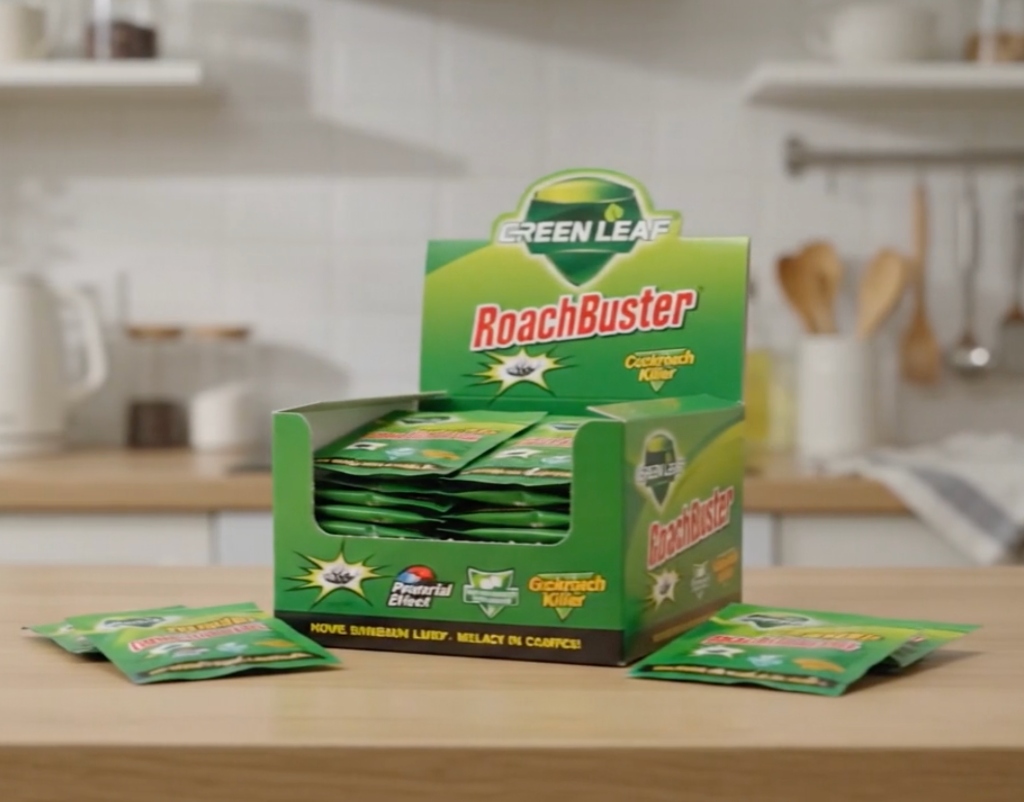
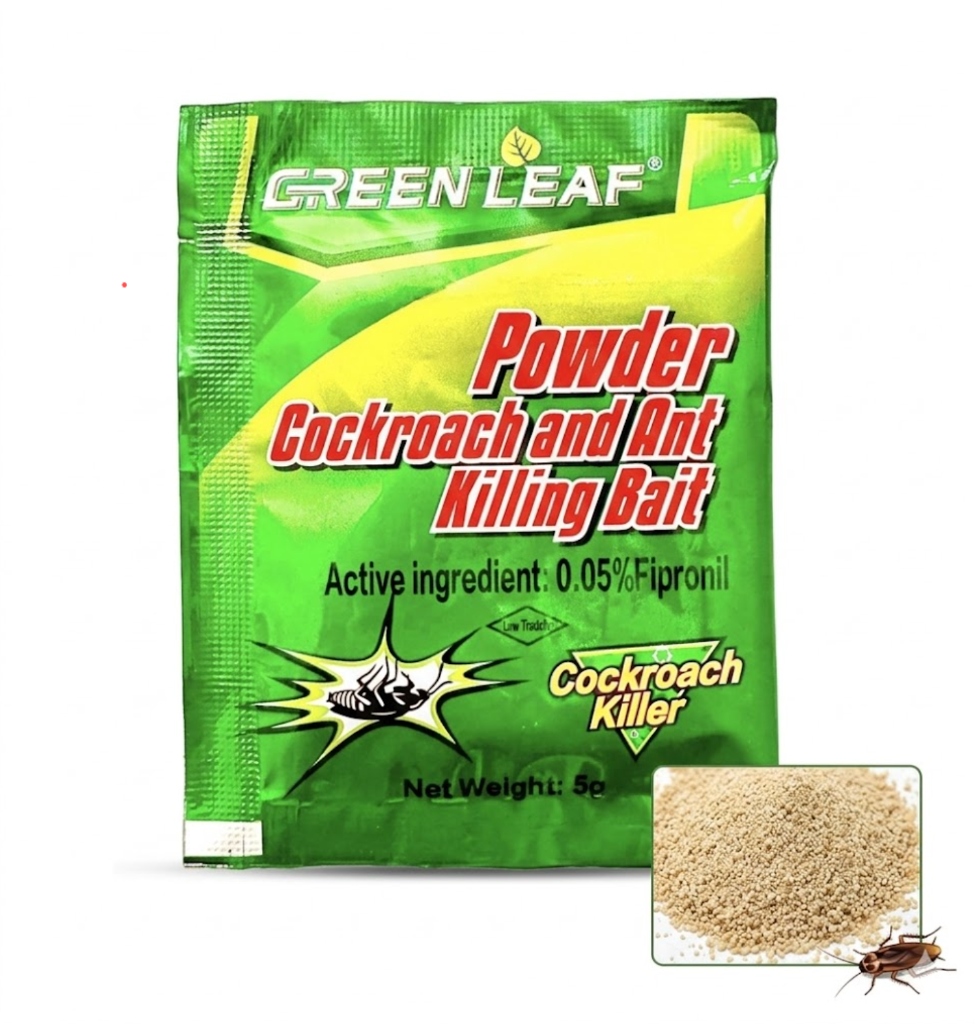
To maintain flawless sanitary standards and secure your health department score, the RoachBuster dry active sachet system provides an elite B2B commercial solution:
A commercial dishwasher, a glasswasher, a combi oven and a coffee machine all share the same profile: continuous heat, continuous moisture, a motor cavity that never gets cleaned, and a base that nobody moves. That is a breeding chamber with a permanent climate. It is also, crucially, a place where you cannot use most conventional treatments, because you are dealing with food-contact equipment, high temperatures, electrical connections and wash-down cleaning that will remove anything applied to a surface.
This is why kitchens that are genuinely clean still fail. The cleaning regime addresses every surface a health inspector can see and nothing inside the equipment cavity where the population actually lives.
| Equipment | Cavity that holds population | Safe placement position |
|---|---|---|
| Pass-through dishwasher | Motor and pump housing base, door hinge recess | Dry floor void beneath the machine at the rear corners |
| Undercounter glasswasher | Base plinth cavity | Behind the plinth kick, at the rear |
| Combi oven | Rear service panel void, condensate tray surround | Adjacent dry floor at the rear, never inside the panel |
| Coffee machine and grinder | Base recess, grounds drawer void | Behind the machine on a dry shelf surface |
| Ice machine | Compressor bay, drain line surround | Dry floor at the rear, clear of the drain |
| Bain marie and hot hold | Element bay underside | Dry floor beneath, at the rear |
| Prep fridge and undercounter units | Compressor recess, condensate tray | Rear compressor recess, dry side |
The rule in every case is the same. Place adjacent to the cavity on a dry, cool, non-food-contact surface, never inside a service panel, never in an electrical enclosure, never in the wash-down zone and never where a placement can be swept into a floor drain.
Three constraints make aerosols and residual sprays a poor fit for commercial kitchens: food-contact surfaces cannot carry residue, service windows leave no ventilation period, and any detectable odour in a dining room is a customer-facing failure. A dry, odourless sachet placed in an enclosed cavity satisfies all three, and it survives the reality that kitchen floors get flooded and squeegeed every night, provided you position it out of the water path. Our comparison of powder, spray and fogger explains the mechanism, and the odourless options guide covers where each approach has limits.
On the dry floor void at the rear corners of the machine, behind the plinth kick, or on a dry adjacent shelf at the rear. Not inside the machine, not in the door channel, not near the drain and not on any surface that contacts crockery.
No. Placement takes minutes and needs no ventilation period, which is the main operational advantage over aerosols in food service.
A floor plan with placement positions, a dated log, the product label and safety data sheet, evidence of exclusion work such as door sweeps and drain covers, and a record of how sightings were actioned.
Typically twenty to thirty-five across the dish pit, cook line, prep fridges, dry stores and waste area. The coverage arithmetic gives the reasoning.
The heat engines are the habitat. Place dry, odourless sachets adjacent to dishwasher, oven, ice machine and prep-fridge cavities on dry non-food-contact surfaces, keep them out of the wash-down path, tell the deep-clean crew they exist, and log every round. A five-box case covers a mid-size kitchen for a full year of monthly rounds at about eighty cents per sachet, with a 30-day money-back guarantee.
Always use any bait product as directed on its label, and keep placements out of reach of children and pets. This is general operational guidance, not legal or food-safety regulatory advice; requirements vary by jurisdiction and by inspecting authority.
Maintain sanitisation compliance. Protect prep spaces, dishwashers, and compressors with the RoachBuster 3-Box commercial Bundle.
Free shipping, secure Stripe checkout, and a 30-day money-back guarantee.
Next steps: the building-wide plan for multi-unit properties, how many sachets a full round actually takes, and how to tell whether a treatment is working.
Treating an active infestation? One box treats one room, once. The 3-Box Kit — $120 (150 sachets, save $59.97) covers a full apartment through the complete 3-4 week treatment cycle; a $47 single box (50 sachets) covers a single-room problem. Ships within 1 business day, typical delivery 6-10 days · Free tracked shipping · 30-day money-back guarantee.
Choose your kit →
Live sightings are the worst measure of progress. How to read fresh droppings, dead insects and trap catch rates...

Found roaches tonight? The first 48 hours decide whether your treatment works. Hour one containment, the after-d...
Coverage is about cavities, not square footage. Room-by-room sachet counts, realistic totals for studios through...
Your anonymous feedback helps us improve our educational home defense resources.