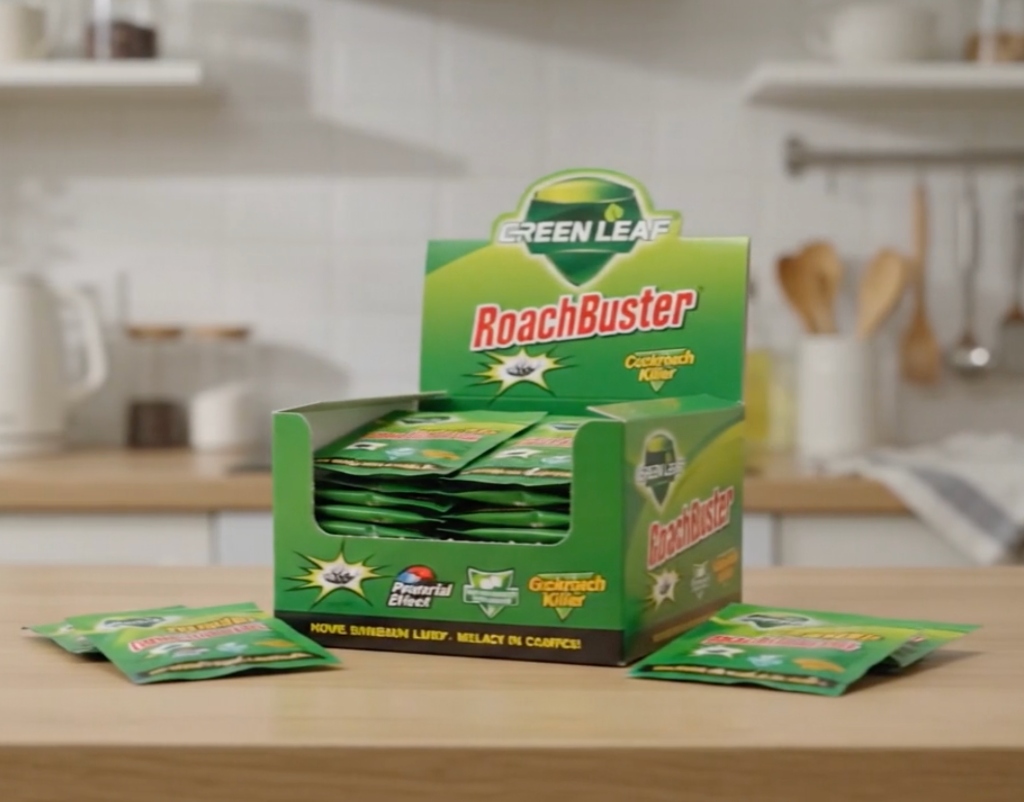
🛡 30-Day Money-Back Guarantee  |  🚚 FREE Tracked Shipping — ships within 1 business day  |  ⭐ 4.5/5 Stars  |  🌿 100% Eco-Friendly
ORDER NOW — Free Tracked Shipping →

Tag: odorless bait

  • Restaurant Dishwasher Hotspots: Safe Pest Control Around Heat Engines

    Restaurant Dishwasher Hotspots: Safe Pest Control Around Heat Engines

    Commercial dishwashers, heavy prep tables, and hot line compressors are extreme cockroach magnets. These zones are subjected to constant steam, high temperatures, washing detergents, and grease. Pests naturally nest deep inside the insulation panels, hollow stainless steel furniture legs, and electrical lines. Finding the harborage is half the job — our guide to finding a roach nest in 48 hours shows exactly where to look first.

    Why Traditional Commercial Spraying Fails

    Spraying toxic chemical liquids around commercial food prep spaces is strictly regulated and highly dangerous. Chemical solvents risk cross-contaminating clean silverware, pans, and ingredients. Additionally, standard commercial pesticide sprays are repelled by grease coatings and wash away quickly during nightly kitchen washdowns.

    The Clean, B2B dry Sachet System

    To maintain flawless sanitary standards and secure your health department score, the RoachBuster dry active sachet system provides an elite B2B commercial solution:

    • Steam & Heat Durability: Unlike cheap running gel baits that dissolve under hot water lines, our active dry powder remains locked within durable, moisture-resistant paper sachets.
    • Odorless Compliance: 100% fume-free and completely odorless. Food service operations can remain active during baiting without chemical spray shut-downs.
    • Zero Residue, Zero Mess: The dry sachets leave no sticky residues on stainless steel tables, making cleanups fast and simple during nightly food audits.

    Heat engines are the reason kitchens fail inspections

    A commercial dishwasher, a glasswasher, a combi oven and a coffee machine all share the same profile: continuous heat, continuous moisture, a motor cavity that never gets cleaned, and a base that nobody moves. That is a breeding chamber with a permanent climate. It is also, crucially, a place where you cannot use most conventional treatments, because you are dealing with food-contact equipment, high temperatures, electrical connections and wash-down cleaning that will remove anything applied to a surface.

    This is why kitchens that are genuinely clean still fail. The cleaning regime addresses every surface a health inspector can see and nothing inside the equipment cavity where the population actually lives.

    Mapping the heat and moisture cavities

    EquipmentCavity that holds populationSafe placement position
    Pass-through dishwasherMotor and pump housing base, door hinge recessDry floor void beneath the machine at the rear corners
    Undercounter glasswasherBase plinth cavityBehind the plinth kick, at the rear
    Combi ovenRear service panel void, condensate tray surroundAdjacent dry floor at the rear, never inside the panel
    Coffee machine and grinderBase recess, grounds drawer voidBehind the machine on a dry shelf surface
    Ice machineCompressor bay, drain line surroundDry floor at the rear, clear of the drain
    Bain marie and hot holdElement bay undersideDry floor beneath, at the rear
    Prep fridge and undercounter unitsCompressor recess, condensate trayRear compressor recess, dry side

    The rule in every case is the same. Place adjacent to the cavity on a dry, cool, non-food-contact surface, never inside a service panel, never in an electrical enclosure, never in the wash-down zone and never where a placement can be swept into a floor drain.

    Fitting treatment around service and cleaning

    1. Place during a full close, not between services, so nothing gets moved mid-shift.
    2. Mark placements on a kitchen floor plan and post it inside the chemical cupboard so the closing team knows where they are.
    3. Instruct the deep-clean crew explicitly: placements are not rubbish, and they must be replaced rather than discarded if they are moved.
    4. After any wash-down or pressure-clean, check the affected placements and replace anything wet.
    5. Log every placement and every replacement with a date and initials, because that log is what your auditor will ask for.
    6. Re-inspect at fourteen days, then monthly as part of the planned preventive maintenance walk.

    Why dry, odourless bait fits a working kitchen

    Three constraints make aerosols and residual sprays a poor fit for commercial kitchens: food-contact surfaces cannot carry residue, service windows leave no ventilation period, and any detectable odour in a dining room is a customer-facing failure. A dry, odourless sachet placed in an enclosed cavity satisfies all three, and it survives the reality that kitchen floors get flooded and squeegeed every night, provided you position it out of the water path. Our comparison of powder, spray and fogger explains the mechanism, and the odourless options guide covers where each approach has limits.

    The mistakes that keep kitchens on repeat callouts

    • Treating the front of house because that is where guests saw one. The population is behind the dish pit. Guest sightings are downstream of the source.
    • Cleaning around equipment rather than moving it. Once a quarter, machines come out on castors or off their plinths. Nothing else exposes the real harbourage.
    • Leaving cardboard in dry stores. Deliveries are the most common reintroduction route in food service. Decant to plastic and get cardboard out the same day.
    • Placements in the wash-down path. A soaked sachet is an inert sachet. Position, then verify after the first close.
    • Treating one kitchen in a shared building. Neighbouring tenancies share risers and voids, which is the recurrence mechanism explained in our reinfestation article.

    Questions kitchen managers ask

    Where exactly can I place near a dishwasher?

    On the dry floor void at the rear corners of the machine, behind the plinth kick, or on a dry adjacent shelf at the rear. Not inside the machine, not in the door channel, not near the drain and not on any surface that contacts crockery.

    Do we need to stop service?

    No. Placement takes minutes and needs no ventilation period, which is the main operational advantage over aerosols in food service.

    What does an auditor want to see?

    A floor plan with placement positions, a dated log, the product label and safety data sheet, evidence of exclusion work such as door sweeps and drain covers, and a record of how sightings were actioned.

    How many placements does a mid-size kitchen need?

    Typically twenty to thirty-five across the dish pit, cook line, prep fridges, dry stores and waste area. The coverage arithmetic gives the reasoning.

    The short version

    The heat engines are the habitat. Place dry, odourless sachets adjacent to dishwasher, oven, ice machine and prep-fridge cavities on dry non-food-contact surfaces, keep them out of the wash-down path, tell the deep-clean crew they exist, and log every round. A five-box case covers a mid-size kitchen for a full year of monthly rounds at about eighty cents per sachet, with a 30-day money-back guarantee.

    Always use any bait product as directed on its label, and keep placements out of reach of children and pets. This is general operational guidance, not legal or food-safety regulatory advice; requirements vary by jurisdiction and by inspecting authority.

    Secure Your Commercial Kitchen Score Symmetrically

    Maintain sanitisation compliance. Protect prep spaces, dishwashers, and compressors with the RoachBuster 3-Box commercial Bundle.

    Free shipping, secure Stripe checkout, and a 30-day money-back guarantee.

    Next steps: the building-wide plan for multi-unit properties, how many sachets a full round actually takes, and how to tell whether a treatment is working.

    Treating an active infestation? One box treats one room, once. The 3-Box Kit — $120 (150 sachets, save $59.97) covers a full apartment through the complete 3-4 week treatment cycle; a $47 single box (50 sachets) covers a single-room problem. Ships within 1 business day, typical delivery 6-10 days · Free tracked shipping · 30-day money-back guarantee.
    Choose your kit →

  • The Food Safety Audit Guide: Safe Extermination for Commercial Kitchen Audits

    The Food Safety Audit Guide: Safe Extermination for Commercial Kitchen Audits

    For commercial bakeries, cafes, and restaurant kitchens, passing rigorous local health department audits is a prerequisite for operational survival. A single crawling pest sighted in food-prep areas can trigger immediate closure, thousands in fines, and catastrophic brand damage. If sightings keep pointing back to one area, use our guide to locating the nest together with the 21-day German roach treatment plan.

    The Rigorous Food safety standard

    Health inspectors check warm micro-cavities around ovens, dishwasher panels, steam prep tables, and dry food storage racks. Sighting live cockroaches or droppings results in immediate critical violations on your audit score.

    Why Traditional Spraying Violates Food safety Guidelines

    Spraying active commercial kitchens with repellent chemical liquids is highly dangerous. Toxin aerosols risk contaminating food prep lines, plates, and dry goods. Additionally, the strong chemical odors force cockroaches to scatter deeper inside structural walls, spreading the nest and violating safety rules.

    The Clean, B2B dry Sachet System

    Maintain a perfect health department score without chemical spraying or operational shutdowns with the **RoachBuster sachet system**:

    • Odorless Compliance: 100% dry and odorless. Cafe and bakery prep lines can remain fully active during treatment.
    • Steam & Heat Resistant: Dry active powder inside water-resistant paper sachets remains potent next to dishwasher pipes, ovens, and compressors.
    • No Residues: Leaves zero sticky stains or runny gel messes on stainless steel tables, passing rigorous inspection guidelines.

    What an auditor is actually scoring

    Operators tend to prepare for a food safety audit by cleaning. Auditors, however, are not scoring cleanliness in isolation. On the pest control section they are scoring whether a documented, monitored, effective programme exists, and whether the site can demonstrate that it finds and fixes problems without being told. That is a paperwork and process test as much as a physical one, which is why a spotless kitchen with no records can score worse than a busy kitchen with a well-kept file.

    Three findings account for most pest-related non-conformances: evidence of activity in an area that was not being monitored, a monitoring log with gaps, and corrective actions with no closure date. All three are avoidable at no real cost.

    The pre-audit walk, in the order an auditor does it

    1. Goods-in and dry store. Cardboard on the floor, pallets against walls, spillage under shelving. This is where auditors start because it is where problems arrive.
    2. Waste area and external bins. Lids, standing water, grease residue on the ground, distance from the door.
    3. Dish pit and equipment bases. Behind and beneath every machine, with a torch.
    4. Floor drains and gullies. Covers present, no standing residue, no smell.
    5. Voids and service penetrations. Gaps around pipes, conduit and behind wall boxes.
    6. Ceiling voids and lighting. Insect debris in diffusers is a classic finding.
    7. Finally, the documentation. Plan, log, labels, safety data sheets, corrective actions, contractor reports.

    Walk it yourself in that order the week before. Anything you find, fix and record becomes evidence of a working system rather than a finding against you.

    The document set

    DocumentWhat it must showCommon failure
    Site planEvery monitoring and placement position, numberedPlan not updated after a kitchen refit
    Monitoring logDate, position, result, initialsGaps during holiday periods
    Product recordsLabel and safety data sheet for everything on siteMissing sheet for a product bought locally
    Corrective action logIssue, action, owner, closure dateActions recorded but never closed
    Contractor reportsVisit dates and recommendationsRecommendations never actioned
    Training recordsWho is authorised to place productNo record at all
    Exclusion worksSweeps, seals, screens and drain covers fittedVerbal claim with no evidence

    Why placement choice affects the audit result

    Auditors look at whether the treatment is appropriate to a food environment. Residual sprays and aerosols in food-contact areas invite questions about residue, ventilation and product suitability, and they are difficult to evidence after the fact. Discreet, dry, odourless sachets placed in enclosed non-food-contact cavities are simple to plan, simple to number on a drawing and simple to log, which is exactly what the documentation section rewards. Our comparison of methods covers the practical differences, and the odourless guide covers the constraints in occupied and food-handling spaces.

    The week before, the day before, the day of

    • Week before. Full self-audit walk, fix and record. Update the plan. Close out every open corrective action or give it a dated owner.
    • Day before. Deep clean equipment bases with machines pulled out. Verify every placement is present, dry and logged. Clear all cardboard.
    • Day of. Have the file physically on site and in order. Nominate one person who can explain the programme, the placement positions and the last three corrective actions from memory.
    • After. Turn every observation into a dated action with an owner. Auditors compare the previous report to the current site, and unclosed items from last time weigh heavily.

    Questions operators ask

    Do we need a contractor to pass?

    Many schemes and jurisdictions expect a professional programme for food businesses; some permit in-house preventive measures alongside it. Check your scheme requirements and local licensing, because the licence condition overrides general guidance.

    Is finding activity automatically a fail?

    Not usually. Finding activity that your own monitoring had already identified and actioned is very different from an auditor finding activity you did not know about.

    How many placements does a compliant kitchen carry?

    Typically twenty to thirty-five for a mid-size kitchen, numbered on the plan. Our coverage arithmetic explains how to derive the number for your layout.

    What if activity is coming from a neighbouring tenancy?

    Document it, notify the landlord in writing and record the response. Shared-void reinfestation is a recognised scenario and is described in our recurrence guide; auditors accept it far more readily when it is evidenced.

    The short version

    Audits are won on documentation and lost on unmonitored areas. Walk goods-in, waste, equipment bases, drains, voids and ceilings yourself the week before, fix and record everything, keep a numbered plan with a gap-free log, and use discreet dry placements that are easy to evidence. A five-box case equips a mid-size kitchen for a year of monthly rounds, with a 30-day money-back guarantee.

    Always use any bait product as directed on its label, and keep placements out of reach of children and pets. This is general operational guidance, not legal, veterinary or regulatory advice.

    Pass Food Safety Audits Symmetrically

    Avoid critical violations. Secure bakeries, cafe lines, and prep engines with the RoachBuster 3-Box commercial Bundle.

    Free shipping, secure Stripe checkout, and a 30-day money-back guarantee.

    Next steps: the building-wide plan for multi-unit properties, how many sachets a full round actually takes, and how to tell whether a treatment is working.

    Treating an active infestation? One box treats one room, once. The 3-Box Kit — $120 (150 sachets, save $59.97) covers a full apartment through the complete 3-4 week treatment cycle; a $47 single box (50 sachets) covers a single-room problem. Ships within 1 business day, typical delivery 6-10 days · Free tracked shipping · 30-day money-back guarantee.
    Choose your kit →
  • Vancouver Multi-Family Units: Safe Winter Extermination in Commercial Blocks

    Vancouver Multi-Family Units: Safe Winter Extermination in Commercial Blocks

    Vancouver landlords, building managers, and multi-family tenants experience a significant increase in indoor pest activity during damp winter months. German cockroaches seek shelter in building cores, nesting around shared plumbing stacks, boiler chimneys, and warm floor voids. For rented and multi-unit settings, see whether roaches are the landlord or tenant responsibility alongside this plan.

    The Shared-Chasm Threat

    In high-density apartment blocks, shared laundry rooms, trash chutes, and elevator shafts serve as centralized pest corridors. Treating individual units with smelly chemical sprays only forces the bugs to scatter into these common areas, making building-wide infestations chronic.

    A Symmetrical, Low-Mess Extermination Strategy

    To eliminate apartment-block infestations permanently without disrupting tenants or causing chemical odor complaints, landlords can deploy the **RoachBuster sachet method**:

    1. Bait Common Voids: Place dry active paper sachets inside plumbing access panels, trash chute closets, and elevator utility cabinets.
    2. 100% Odorless and Fume-Free: Keeps building air quality pristine. Tenants do not have to vacate their suites during treatment.
    3. Zero Stain, Zero Cleanups: The dry active powder stays locked inside paper sachets, preventing staining on custom kitchen woodwork or cabinetry.

    Why damp cold behaves differently from dry cold

    Vancouver rarely gets the deep freeze that drives insects indoors in Toronto or Winnipeg. What it gets instead is five months of eight to twelve degrees with persistent humidity, and that combination is arguably worse for a multi-family building. Populations never get knocked back by cold, condensation forms on cool exterior walls and inside unheated shafts, and every crawl space, parkade and laundry room holds moisture. German cockroaches need water more urgently than food, so a damp building removes their main limiting factor.

    The practical consequence for a building manager is that Vancouver stacks do not have a clean off-season. Pressure shifts location rather than disappearing, which means an annual treatment cycle designed around a summer peak will always be a step behind.

    Where the population actually sits in a wood-frame or concrete block

    Building elementWhy it holds populationPlacement approach
    Laundry and shared utility roomsWarm, humid, lint-rich, continuous powerTwo to four placements at appliance bases and wall penetrations
    Parkade and garbage room interfaceOrganic residue plus standing water in floor drainsPlacements at door thresholds and drain surrounds, kept dry
    Kitchen plumbing wallsShared wet wall between stacked unitsTwo placements per unit inside the sink cabinet at pipe entries
    Bathroom tub voidsAccess panels open directly into a shared cavityOne placement per accessible panel
    Baseboard heater cavitiesWarm, undisturbed, wall-void accessOne placement per affected room, clear of the element itself
    Corridor and suite door gapsMain horizontal travel route between suitesThreshold placements on the suite side

    A treatment sequence that survives a building audit

    1. Survey the whole stack, not the complaining suite. Note every suite with activity and every shared room on the same plumbing or heating run.
    2. Notify affected residents in writing with dates, product type and access requirements. In British Columbia, notice quality is what determines whether entry disputes become a problem.
    3. Treat all suites in the affected vertical stack plus the shared rooms in a single pass. Partial passes fail predictably, for the reasons set out in our guide to reinfestation.
    4. Log placements per suite. A simple spreadsheet with suite number, room, position and date is enough, and it becomes your evidence if a resident escalates.
    5. Re-inspect at fourteen and thirty days, top up consumed placements, and only then consider the round complete.
    6. Move to exclusion work once counts are flat: door sweeps, drain covers, sealing pipe penetrations and repairing failed vapour barriers.

    Why odourless matters more in shared blocks than in houses

    In a detached house, a resident who dislikes chemical smell can open a window. In a multi-family block, a strong aerosol treatment in one suite becomes a complaint from three suites, because shared ventilation and corridor pressure carry odour. Buildings with elderly residents, infants or asthma cases turn that into a formal complaint very quickly. A dry, odourless sachet bait sidesteps the entire category of problem, which is why it tends to be the default choice for occupied blocks. Our overview of odourless treatment options covers the alternatives and their trade-offs.

    Common failure modes in Vancouver blocks

    • Treating on complaint only. By the time a resident complains, the stack has been active for weeks. Scheduled stack-wide rounds cost less than reactive single-suite visits.
    • Ignoring the parkade. Garbage rooms and parkade drains are the reservoir. Suites get re-seeded from below every time the reservoir is left alone.
    • Wet placements. A dry powder sachet sitting in a puddle under a laundry sink stops working. In a damp building, position matters more than quantity.
    • No written record. Without a log, a landlord cannot demonstrate reasonable action, and the same suite gets treated three times while its neighbour is never touched.

    Questions building managers ask

    How many placements should I budget per suite?

    Six to ten for a one-bedroom, ten to sixteen for a two-bedroom with two bathrooms. Shared rooms need their own allocation on top. The coverage arithmetic is set out here.

    Can residents apply it themselves?

    Many buildings hand out sachets with written placement instructions for in-suite positions, and have staff handle shared rooms. It works when the instructions are specific about position and about not moving placements.

    How long before the stack is quiet?

    Expect visible reduction inside two weeks and a substantially quiet stack by weeks four to six, provided the whole stack and the shared rooms were treated in one pass.

    What about winter humidity control?

    Running bathroom fans on timers, fixing dryer venting and clearing blocked parkade drains removes water. Water removal does not kill a population, but it lowers the ceiling on how large one can grow.

    The short version

    Vancouver damp keeps populations alive year-round, so treat the whole vertical stack plus the parkade and laundry rooms in one scheduled pass, keep placements dry, choose an odourless product to avoid multi-suite complaints, and log everything. A five-box case covers roughly a small stack of suites at about eighty cents per sachet, with a 30-day money-back guarantee.

    Always use any bait product as directed on its label, and keep placements out of reach of children and pets. Nothing here is legal advice; building rules and tenancy law vary by jurisdiction.

    Secure Your Rental Buildings Symmetrically

    Avoid costly tenant callbacks. Protect multi-family complexes with the RoachBuster 5-Box landlord Bundle today.

    Free shipping, secure Stripe checkout, and a 30-day money-back guarantee.

    Next steps: the building-wide plan for multi-unit properties, why roaches come back after treatment, and how many sachets a full round actually takes.

    Treating an active infestation? One box treats one room, once. The 3-Box Kit — $120 (150 sachets, save $59.97) covers a full apartment through the complete 3-4 week treatment cycle; a $47 single box (50 sachets) covers a single-room problem. Ships within 1 business day, typical delivery 6-10 days · Free tracked shipping · 30-day money-back guarantee.
    Choose your kit →
  • Orlando Resort Area Pest Control: Stopping Crawling Pests in Vacation Condos

    Orlando Resort Area Pest Control: Stopping Crawling Pests in Vacation Condos

    Vacation rentals and short-term resort condos in the Orlando and Kissimmee areas face constant pest pressure from high guest turnovers, left-behind food crumbs, and Florida’s intense humidity. Maintaining a pristine, roach-free space is vital for protecting your Airbnb reviews and booking scores. For rented and multi-unit settings, see whether roaches are the landlord or tenant responsibility alongside this plan.

    The Airbnb Review Threat

    A single cockroach sighted by a guest can trigger an immediate refund request, a 1-star review, and suspension of your superhost status. However, applying smelly chemical sprays or leaving messy gel baits on cabinetry is a major risk, as guests may complain about chemical odors or touch exposed pesticide drops.

    The Odorless, Discrete Sachet Strategy

    Protect your resort property quietly and safely with the **RoachBuster sachet system**:

    1. Hidden Kickplate baiting: Slide slim sachets beneath kitchen kickplates, bathroom vanities, and appliance gaps.
    2. 100% Odorless and Stainless: Zero fumes, zero stains, and completely invisible to guests.
    3. Months of Protection: Enjoy continuous, residual protection that keeps the unit safe between guest check-ins, even during hot, humid summer outbreaks.

    Turnover is the variable that decides everything

    A vacation condo near the Orlando parks changes occupants every three to five days. Every arrival brings groceries, every departure leaves crumbs behind a couch cushion, and every cleaning window is measured in hours rather than days. That cadence, not the Florida climate, is what makes short-term rentals harder to keep clean than long-term homes. A resident who lives somewhere notices a single insect and reacts. A guest who sees one writes a review and requests a refund, and the property never learns about the problem until the damage is public.

    The operational goal in a rental is therefore not just a low population. It is a treatment that is invisible, odourless, permanently in place, and does not need to be redone between guests. That rules out almost everything that involves spraying and a ventilation period.

    The invisible placement map for a two-bedroom condo

    ZonePositionsGuest visibility
    Kitchen sink cabinetRear corners at pipe penetrations, 2Hidden behind cleaning supplies
    Under and behind the fridgeCompressor recess, 2Not visible
    Dishwasher side gap1 to 2Not visible
    Microwave and coffee stationBehind or beneath the appliance base, 1 to 2Not visible if positioned at the rear
    Pantry floor corners2Behind stored goods
    Both bathroom vanitiesUnder-sink rear corners, 2 to 4Hidden
    Laundry closetBehind washer, beside drain, 2Hidden
    Balcony slider threshold, inside1 to 2Corner positions only
    Under couch and bed frames near walls2 to 3Out of sight and out of reach

    Roughly fifteen to twenty placements per two-bedroom unit, all of them out of guest sightlines. Guests should never see a sachet, and housekeeping needs to know not to move them. A laminated card in the utility closet showing placement positions solves that in one step. The arithmetic behind these counts is in our sachet coverage guide.

    Fitting treatment into a same-day turnover

    1. Housekeeping checks placements as part of the standard checklist, taking about ninety seconds per unit.
    2. Anything consumed, wet or displaced gets replaced immediately from a stock box kept on site.
    3. Any sighting reported by a guest triggers a same-day top-up round in that unit plus the two adjacent units.
    4. Monthly, a supervisor walks every unit and replaces all kitchen and bath placements regardless of condition.
    5. Quarterly, the shared corridors, garbage rooms and pool utility rooms get their own round.

    Because dry sachets need no ventilation period and leave no residue on surfaces, none of this blocks a same-day check-in. That is the practical reason short-term operators move away from aerosols; the details are compared in our powder versus spray versus fogger article.

    Protecting the review score

    Pest complaints are one of the few review categories that potential guests treat as disqualifying regardless of everything else in the listing. Three things reduce the risk materially. First, never let a reported sighting go unanswered in the same day, because a guest who sees action rarely writes the review. Second, keep a dated treatment log per unit; when a platform dispute happens, a log showing monthly preventive rounds is far stronger than a claim of cleanliness. Third, treat adjacent units, because in a condo block the neighbour is the source at least as often as the unit itself. If activity keeps returning after apparently successful rounds, our reinfestation guide explains the usual causes.

    Mistakes specific to resort-area rentals

    • Storing linens and paper goods in cardboard. Cardboard in a hot storage closet is both harbourage and transport. Switch to lidded plastic.
    • Leaving guest-abandoned pantry items. Half-open cereal and sugar packets left for the next guest feed the population that your bait is competing with.
    • Treating only on complaint. In a rental, the first complaint is already a financial event. Preventive rounds are cheaper than one refunded stay.
    • Using strongly scented products before check-in. Guests report chemical smell as a hygiene problem, so it costs you the review either way.

    Questions rental operators ask

    Is it safe to have bait in place while guests are staying?

    Dry sachet baits are designed to sit in enclosed, out-of-reach positions such as under-sink cabinets and appliance recesses. Follow the label, keep placements away from areas children can reach, and note them on the housekeeping card so they are not disturbed.

    How much product does a small portfolio need?

    At fifteen to twenty placements per two-bedroom unit plus shared areas, a five-box case covers roughly a dozen units for an initial round with stock left for top-ups.

    What do I tell a guest who reports a sighting?

    Acknowledge it the same day, say that a treatment round has been carried out in the unit and the neighbouring units, and offer a practical gesture. Speed matters more than the size of the gesture.

    Do I need to disclose treatment to guests?

    Platform and local rules vary. A short line in your house manual noting that discreet, odourless preventive pest measures are in place is generally well received and avoids surprises.

    The short version

    In an Orlando vacation condo the enemy is turnover, not climate. Use fifteen to twenty invisible placements per two-bedroom unit, build a ninety-second placement check into housekeeping, treat neighbours as well as the reported unit, keep a dated log, and never use anything that needs a ventilation window. A five-box case equips a small portfolio, and it is covered by a 30-day money-back guarantee.

    Always use any bait product as directed on its label, and keep placements out of reach of children and pets. Nothing here is legal advice; local rules and licensing requirements vary.

    Secure Your Orlando Listing Symmetrically

    Maintain a 5-star standard. Protect guests and reviews with RoachBuster’s discrete, odorless dry active sachet system.

    Free shipping, secure Stripe checkout, and a 30-day money-back guarantee.

    Next steps: the building-wide plan for multi-unit properties, why roaches come back after treatment, and how many sachets a full round actually takes.

    Treating an active infestation? One box treats one room, once. The 3-Box Kit — $120 (150 sachets, save $59.97) covers a full apartment through the complete 3-4 week treatment cycle; a $47 single box (50 sachets) covers a single-room problem. Ships within 1 business day, typical delivery 6-10 days · Free tracked shipping · 30-day money-back guarantee.
    Choose your kit →

  • Odorless Breakroom Extermination: Office & Commercial Pest Control Guide

    Odorless Breakroom Extermination: Office & Commercial Pest Control Guide

    In modern commercial office blocks and shared corporate facilities, maintaining clean, pest-free environments is a fundamental business necessity. An active pest infestation in a breakroom or executive kitchen can destroy employee morale, damage corporate reputation, and present health risks. Plan the schedule around our guide to how long roach treatment takes before booking anything.

    The Breakroom Pest Hotspots

    Office breakrooms are highly vulnerable to cockroach outbreaks. Between microwave heat engines, hot water dispensers, coffee makers, and employee food storage cabinets, these spaces offer plenty of warmth and water. Crumbs naturally gather behind recycling bins and under breakroom sinks, creating an ideal habitat for pests.

    Why Traditional Commercial Spraying Disrupts Operations

    Spraying corporate workspaces with traditional liquid chemical pesticides is highly disruptive. It requires evacuating staff, shutting down offices, and airing out rooms for hours to clear toxic chemical odors. Additionally, strong chemical smells can cause allergic or respiratory reactions in sensitive staff, creating liabilities.

    The Quiet, Fume-Free B2B Dry Sachet Barrier

    To maintain flawless office sanitation without interrupting daily business operations or enqueuing smelly chemical sprays, the RoachBuster B2B dry sachet system provides an elite commercial alternative:

    • 100% Odorless and Fume-Free: 100% dry and odorless. Workspaces can remain fully active during treatment, with zero chemical smells.
    • Zero Stain, Zero Mess: The dry paper sachets leave absolutely no grease residues on breakroom countertops, melamine cabinetry, or custom office desks.
    • Discrete Surgical Placement: Slide the slim sachets safely behind refrigerators, beneath heavy water coolers, and inside closed cabinet hinges, keeping the active ingredients entirely invisible to staff and clients.

    Odour is a business risk, not a preference

    In a commercial building, the smell of a pest treatment costs you more than the treatment does. It generates staff complaints and occupational health questions, it reaches clients and visitors through shared ventilation, it forces you to schedule work out of hours at premium rates, and in tenanted buildings it produces landlord correspondence. None of those costs appear on the invoice, which is why facilities teams consistently underestimate them until the first time an open-plan floor smells of insecticide on a Monday morning.

    Framing it that way changes the decision. The question is not whether an odourless product is nicer. It is whether you can afford a product whose side effects include disrupting the operation of the building.

    What odourless does and does not mean

    PropertyWhat it meansWhat it does not mean
    OdourlessNo volatile carrier producing detectable smellNot a statement about toxicity
    Non-stainingNo oily or pigmented residue on surfacesNot permission to place on food surfaces
    Non-repellentInsects do not avoid the treated areaNot slower; it is why bait works at all
    Dry formulationNo liquid to run, drip or wickNot immune to damp; wet placements fail
    No ventilation periodOccupancy can continueNot a reason to skip the label directions

    Getting these distinctions right matters when you are answering a staff question or writing a method statement. Odourless is about the carrier, safety is about placement and label compliance, and effectiveness is about being non-repellent. Our odourless control guide goes into the chemistry side, and our method comparison covers why repellent products actively work against you in a shared building.

    Writing a pest treatment method statement for shared commercial space

    1. Scope. Which rooms, which cavities, which floors.
    2. Product. Name, active ingredient, label and safety data sheet attached.
    3. Placement rule. Enclosed non-food-contact cavities only; a written list of prohibited positions.
    4. Occupancy. State plainly that no ventilation period or exclusion is required, and why.
    5. Access. Who places, who inspects, who may not move placements.
    6. Monitoring. Inspection interval, log format, escalation trigger.
    7. Communication. A two-line notice for staff and a longer note for tenants and cleaners.

    A one-page document covering those seven points answers almost every question a health and safety officer, a tenant or an auditor will ask, and it takes half an hour to write once.

    Rooms in a commercial building ranked by risk

    • Waste and bin rooms. Highest risk, permanent food and water. Treat first and treat properly.
    • Kitchens and canteens. High risk, high visibility, food-contact constraints.
    • Breakrooms and tea points. High risk relative to how little they are supervised.
    • Plant and mechanical rooms. Warm and damp, low visibility, often skipped entirely.
    • Loading bays and goods-in. Main introduction route via cardboard and pallets.
    • Toilets and cleaners cupboards. Water access and sink cabinets.
    • Open-plan floors. Lowest risk in themselves; they are where sightings are reported, not where populations live.

    The ranking matters because sightings are reported from the lowest-risk room and treatment then gets applied there. Treat the top of the list and the sightings at the bottom of the list stop.

    Questions facilities and office managers ask

    Can we place product ourselves or must we use a contractor?

    Requirements vary by jurisdiction and by product class, and some commercial premises must use a licensed operator. Check locally, and note that in-house preventive placement of a consumer-labelled product often runs alongside a contracted programme rather than replacing it.

    What do we tell staff?

    Two lines: discreet, odourless preventive measures have been placed in enclosed cavities in service areas, they require no action from staff, and sightings should be reported to facilities rather than treated with shop-bought spray.

    How do we stop cleaners discarding placements?

    Put it in the cleaning specification, not in a verbal briefing, and give the cleaning supervisor the numbered floor plan.

    How much product does a building need?

    Scale from the room list rather than the floor area. Our coverage arithmetic gives per-room counts you can total up.

    The short version

    In shared commercial space, odour is an operational cost. Use dry odourless placements in enclosed cavities, write a one-page method statement covering scope, product, placement rules, occupancy, access, monitoring and communication, and treat waste rooms and plant rooms first rather than the open-plan floor where sightings get reported. A five-box case equips a small commercial building for a year, with a 30-day money-back guarantee.

    Always use any bait product as directed on its label, and keep placements out of reach of children and pets.

    Secure Your Corporate Office Symmetrically

    Maintain uninterrupted operations. Protect breakrooms, coffee stations, and server rooms with the RoachBuster 3-Box Bundle.

    Free shipping, secure Stripe checkout, and a 30-day money-back guarantee.

    Next steps: the building-wide plan for multi-unit properties, how many sachets a full round actually takes, and how to tell whether a treatment is working.

    Treating an active infestation? One box treats one room, once. The 3-Box Kit — $120 (150 sachets, save $59.97) covers a full apartment through the complete 3-4 week treatment cycle; a $47 single box (50 sachets) covers a single-room problem. Ships within 1 business day, typical delivery 6-10 days · Free tracked shipping · 30-day money-back guarantee.
    Choose your kit →

  • Restaurant Dishwasher & Prep Table Hotspots: B2B Commercial Baiting

    Restaurant Dishwasher & Prep Table Hotspots: B2B Commercial Baiting

    For restaurants, cafes, and commercial food businesses, passing local health department kitchen inspections is a absolute prerequisite for survival. A single crawling pest sighted by a customer or inspector can trigger immediate closure, thousands in fines, and catastrophic brand damage on Yelp. Roaches walking past your placements? See the five real reasons in roach bait not working, then compare formats in our best roach killer powder guide.

    The Heat Engine Infestation Hotspots

    Commercial dishwashers, heavy prep tables, and hot line compressors are extreme cockroach magnets. These zones are subjected to constant steam, high temperatures, washing detergents, and grease. Pests naturally nest deep inside the insulation panels, hollow stainless steel furniture legs, and electrical conduit lines directly adjacent to food preparation areas.

    Why Traditional Commercial Pest Spraying Fails

    Spraying toxic chemical liquids around commercial food prep spaces is strictly regulated and highly dangerous. Chemical solvents risk cross-contaminating clean silverware, pans, and ingredients. Additionally, standard commercial pesticide sprays are repelled by high grease coatings and wash away quickly during nightly commercial kitchen spray-downs.

    The Clean, B2B dry Sachet System

    To maintain flawless sanitary standards and secure your health department score, the RoachBuster dry active sachet system provides an elite B2B commercial solution:

    • Steam & Heat Durability: Unlike cheap running gel baits that dissolve under hot water lines, our active dry powder remains locked within durable, moisture-resistant paper sachets.
    • Odorless Compliance: 100% fume-free and completely odorless. Food service operations can remain active during baiting without chemical spray shut-downs.
    • Zero Residue, Zero Mess: The dry sachets leave no sticky residues on stainless steel tables, making cleanups fast and simple during nightly food audits.

    Prep tables are the harbourage nobody surveys

    Refrigerated prep tables and cold counters are the most underestimated harbourage in commercial kitchens. Each one combines a compressor bay running at a steady warm temperature, a condensate tray holding water, a sealed cavity beneath the well that is almost never opened, castors that trap debris, and a hinged lid gasket with a channel full of organic residue. Unlike a dishwasher, a prep table is not obviously a hot wet machine, so it does not attract attention on a cleaning schedule. That is precisely why populations establish there and survive rounds of treatment aimed at the dish pit.

    The same logic applies to undercounter fridges, saladettes, pizza prep counters and any unit with a compressor bay on castors. Any kitchen that is seeing recurring activity despite regular treatment should pull the prep line out before doing anything else.

    The quarterly pull-out, done properly

    1. Isolate power and, where fitted, water. Follow the manufacturer instructions for moving the unit.
    2. Roll the unit fully clear of the wall and inspect the wall, the floor and the underside with a torch.
    3. Remove and clean the condensate tray. Standing water here is the single most common finding.
    4. Vacuum the compressor bay and the coil. Debris in the coil holds egg cases and reduces efficiency at the same time.
    5. Check the lid gasket channel and the drain outlet in the well.
    6. Clean the floor and the wall properly while access exists, then dry both.
    7. Place dry sachets at the rear corners of the cavity and in the compressor bay recess before the unit goes back.
    8. Log the date, the unit and the findings. Four of these per year change a kitchen permanently.

    Placement map across the cold and prep line

    UnitPlacementsPosition
    Refrigerated prep table2Rear cavity corners plus compressor bay recess, dry
    Undercounter fridge or saladette1 to 2Compressor recess at the rear
    Walk-in cooler exterior2Outside the door threshold corners and at the condenser penetration
    Ice machine1 to 2Dry floor at rear, clear of the drain
    Prep sink cabinet2At pipe penetrations
    Stainless bench legs and wall junction2 to 3Floor corners behind the bench line
    Dry store shelving corners2 to 3Behind stored goods, off cardboard
    Waste area enclosure2Floor corners, not in the liner

    Twenty to thirty-five placements across a mid-size kitchen, weighted to the cold line and waste area rather than the visible cook line. The coverage arithmetic guide explains how to build the number for your layout, and our multi-unit plan applies if you share a building with other food tenancies.

    Making it a programme rather than a reaction

    • Assign an owner. One named person per site is responsible for the log. Programmes without an owner lapse within two months.
    • Fix the inspection interval. Weekly visual on the cold line and waste area, monthly full round, quarterly pull-out.
    • Train on placement, not just on cleaning. Staff need to know that placements exist, where they are and that they must not be moved or binned.
    • Record sightings with a time. Night-shift sightings versus day sightings tell you whether the population is established or transient.
    • Escalate on a trigger, not on a feeling. For example: any sighting on two consecutive days, or any small light-brown insects at all, triggers a full round rather than a spot treatment.

    Why bait rather than spray on a prep line

    A prep line is a food-contact environment with wash-down cleaning and continuous service. Residual sprays cannot be used on food-contact surfaces, they are removed by nightly cleaning where they can be used, and they push a concentrated population deeper into the equipment cavity instead of reducing it. Dry, odourless bait in an enclosed cavity survives the cleaning regime, requires no service interruption and reaches the population where it lives. The mechanism is set out in our powder versus spray versus fogger comparison, and the recurrence pattern that follows repellent treatment is explained in our reinfestation guide.

    Questions chefs and operators ask

    How often should the cold line be pulled out?

    Quarterly as a minimum, and immediately if you have any activity that persists after a treatment round. Most recurring kitchen problems are solved by this one action.

    Can placements go inside the prep table well?

    No. Nothing goes in a food well or on any food-contact surface. Placements go in the enclosed cavity beneath and behind, and in the compressor bay recess.

    Do we need to close during treatment?

    No. Dry placements need no ventilation period, which is why they suit continuous service operations.

    What is the first sign a prep table is harbouring?

    Pepper-like droppings on the underside of the lid gasket channel or on the compressor bay floor, plus shed skins in the coil debris. Those appear well before you see insects during service.

    The short version

    The cold line, not the cook line, is where kitchen populations live. Pull refrigerated prep tables out quarterly, empty the condensate tray, vacuum the compressor bay, place twenty to thirty-five dry sachets weighted to cold units and the waste area, and run it as a programme with a named owner and a written trigger for escalation. A five-box case covers a mid-size kitchen for a year at about eighty cents per sachet, with a 30-day money-back guarantee.

    Always use any bait product as directed on its label, and keep placements out of reach of children and pets. This is general operational guidance, not regulatory advice.

    Secure Your Commercial Kitchen Score Symmetrically

    Maintain sanitisation compliance. Protect prep spaces, dishwashers, and compressors with the RoachBuster 3-Box Bundle.

    Free shipping, secure Stripe checkout, and a 30-day money-back guarantee.

    Next steps: the building-wide plan for multi-unit properties, how many sachets a full round actually takes, and how to tell whether a treatment is working.

    Treating an active infestation? One box treats one room, once. The 3-Box Kit — $120 (150 sachets, save $59.97) covers a full apartment through the complete 3-4 week treatment cycle; a $47 single box (50 sachets) covers a single-room problem. Ships within 1 business day, typical delivery 6-10 days · Free tracked shipping · 30-day money-back guarantee.
    Choose your kit →

  • Odorless & Stainless Roach Baiting for Nurseries & Kids Bedrooms

    Odorless & Stainless Roach Baiting for Nurseries & Kids Bedrooms

    Protecting children’s play areas, baby nurseries, and kids’ bedrooms from crawling pests presents a high-stakes safety dilemma. Traditional pest spray systems introduce toxic organic solvents and chemical fumes into the air, posing severe respiratory and allergy risks to young children. If there are cats or dogs in the home, our pet-safe roach killer guide walks through which product formats are safe to use around them.

    The Dangers of Chemical Fumes in Children’s Airspace

    Young children have faster breathing rates and developing immune systems, making them highly vulnerable to airborne toxins. Spraying baseboards or carpet edges with traditional liquid pesticides leaves chemical residues that children can touch, crawl on, or accidentally ingest. Many standard sprays also emit highly volatile chemical odors that can trigger severe asthma and respiratory flare-ups.

    Why Sticky Gel Baits and DIY Powders Are a Mess

    While gel baits avoid airborne fumes, they melt and run under ambient house heat. This leaves sticky, dark crusty spots on cabinet corners, baseboard joints, and furniture edges that curious children can pick at. Broadcast dry boric acid powders are also problematic, as they can drift in drafty air currents, leaving white dust lines across carpets and toy boxes.

    The Safest, Zero-Fume Solution: Dry Paper Sachets

    To eliminate cockroaches without introducing toxic chemical residues or messy stains, the RoachBuster dry sachet system provides a completely secure alternative:

    • 100% Odorless and Fume-Free: Our dry active formula does not evaporate or off-gas, keeping the air quality in nurseries and bedrooms completely pristine and toxin-free.
    • Zero Stain, Zero Mess: The active powder remains entirely enclosed within surgical dry paper sachets. It will never run, melt, or leave yellow grease stains on custom bedroom trim or play tables.
    • Tamper-Proof Surgical Placement: The slim, light paper sachets are designed to be tucked deep inside unreachable structural cracks—behind heavy trim boards, under heavy dressers, or inside closed melamine cabinet hinges—keeping the active ingredients entirely out of reach of children and pets.

    The rule for a child bedroom is different

    In every other room the question is where a placement will work best. In a nursery or a child bedroom the question is answered in the opposite order: first, which positions are genuinely impossible for a child to reach, and only then, which of those positions is useful. If a position fails the first test it is not a candidate, however good it would be for interception. That inversion is the entire method, and it is what makes treating a child room straightforward rather than fraught.

    Positions that pass and positions that fail

    PositionVerdictReason
    Inside a locked or latched cupboard at heightPassPhysically inaccessible
    Behind a fixed, wall-anchored wardrobe or unitPassNo access without moving furniture
    Under fixed cabinetry with no gap accessPassEnclosed
    Behind a radiator on a bracket, out of reachPass with careOnly if the child cannot reach behind
    Skirting corner behind a heavy fixed bed frameMarginalOnly if the frame cannot be moved by the child
    Under a cot or bedFailReachable and directly above sleeping space
    Behind a toy box or open shelvingFailBoth movable
    Window sill or low ledgeFailClimbing target
    Inside a toy storage unitFailObvious
    On the floor in any open positionFailReachable

    Treat the boundary, not the room

    The practical consequence of that table is that most child bedrooms should be treated at their boundaries rather than in their interiors. Insects reach a bedroom through the door threshold from the hallway, through the skirting line where it meets a shared or plumbing wall, through socket and cable penetrations, and through the void behind fixed furniture. Placements at those boundary points intercept traffic before it reaches the room, and every one of them can be positioned out of reach. Combined with proper treatment of the kitchen and bathrooms, which is where the population actually lives, boundary treatment of bedrooms is normally sufficient.

    The nursery protocol

    1. Treat the source rooms properly first. Kitchen, bathrooms, utility. Bedrooms are almost never the origin.
    2. Fit a door sweep or draught excluder on the bedroom door. Cheap, invisible and it blocks the main route.
    3. Seal socket and cable penetrations on shared or plumbing walls. Use proper box pads and isolate power first.
    4. Place only at inaccessible boundary points. Behind fixed furniture, inside latched cupboards, under fixed cabinetry.
    5. Write the positions on a card and keep it out of the room. Anyone cleaning or babysitting should not discover a placement by accident.
    6. Check weekly. Any placement that has become reachable because furniture moved gets relocated immediately.
    7. Never use an aerosol, fogger or open dust in a child bedroom. Residue on floors and soft furnishings is exactly the exposure route you are trying to eliminate.

    Why odourless matters for children specifically

    Two reasons beyond the obvious. Cockroach allergens are a recognised asthma trigger in children, so leaving an infestation untreated is not a neutral choice; the treatment itself is part of the health case. And volatile insecticide residues in a small enclosed room with soft furnishings are difficult to ventilate away and easy to re-suspend during play. A dry, non-volatile placement in an enclosed position addresses the first problem without introducing the second. Our odourless control guide covers the formats and their limits, and our coverage arithmetic guide covers how much of your placement budget should go to the source rooms rather than the bedrooms.

    Questions parents ask

    Should I treat the nursery at all?

    Usually only at its boundaries, and only if there is evidence of traffic. The kitchen and bathrooms are where the treatment should be concentrated.

    What if my child finds a placement?

    Remove it, follow the label first-aid directions and contact your poison information service or doctor immediately with the label to hand. Then work out why the position was reachable.

    Is it safe to have placements in the house at all with a crawling baby?

    With enclosed placements behind latches and in cavities a baby cannot enter, yes, following the label. Fit latches before you place anything, and check weekly as the child becomes more mobile.

    Can I wash soft toys and bedding instead of treating?

    Laundering helps with allergens but does nothing about the population. Do both: treat the source rooms and launder the soft furnishings.

    The short version

    In a child room, decide which positions are impossible to reach before deciding which are useful. Treat kitchens and bathrooms properly, fit a door sweep, seal socket penetrations, and place only at inaccessible boundary points behind fixed furniture or inside latched cupboards. Never use aerosols, foggers or open dusts in a child bedroom. One box covers the source rooms and the bedroom boundaries, with a 30-day money-back guarantee.

    Always use any product as directed on its label, and keep placements completely out of reach of children and pets. This is general guidance, not medical advice; if you think a child has ingested any pest control product, contact your local poison information service or doctor immediately with the label to hand.

    Safe, Fume-Free Protection Symmetrically

    Ensure zero exposure. Protect nurseries and bedrooms with RoachBuster’s 100% odorless, dry paper sachets.

    Free shipping, secure Stripe checkout, and a 30-day money-back guarantee.

    Allergen exposure in children largely comes from droppings and shed skins, so cleanup method matters as much as product choice. See how to clean droppings safely.

    Next steps: odour-free options when sprays are off the table, how many sachets a full round actually takes, and how to tell whether a treatment is working.

    Treating an active infestation? One box treats one room, once. The 3-Box Kit — $120 (150 sachets, save $59.97) covers a full apartment through the complete 3-4 week treatment cycle; a $47 single box (50 sachets) covers a single-room problem. Ships within 1 business day, typical delivery 6-10 days · Free tracked shipping · 30-day money-back guarantee.
    Choose your kit →

  • German Cockroaches in Fridge & Appliance Motors: Safe Baiting Guide

    German Cockroaches in Fridge & Appliance Motors: Safe Baiting Guide

    German cockroaches (Blatella germanica) are notoriously attracted to heat, moisture, and tight dark cavities. This biological drive makes the motors and compressors of home kitchen appliances—especially refrigerators, dishwashers, and microwaves—their absolute primary nesting grounds. If a product you already placed is being ignored, our guide to why roach bait stops working covers the five usual causes and the fix.

    Why Cockroaches Nest in Appliance Compressors

    Appliance compressors emit continuous warmth, creating a perfect incubation micro-climate for roach egg capsules (oothecae). Additionally, refrigerator condensation pans provide a constant source of water, while food crumbs naturally accumulate underneath these heavy appliances. This combination of shelter, warmth, moisture, and food creates a pest stronghold.

    The Danger of Liquid Pesticide Sprays Around Electronics

    Traditional pest control relies on spraying liquid chemical solvents into these motors. This is highly problematic. Volatile liquid chemicals can short-circuit electronic boards, corrode wires, and vaporize toxic fumes directly into your food-prep air space. Furthermore, the strong odors of chemical repellents cause cockroach populations to scatter deeper into the walls, spreading the nest symmetrically.

    The Surgical Sachet Solution

    To eliminate appliance nesting safely and effectively, you must utilize a dry, odorless, and non-repellent active formula. The RoachBuster dry active sachet system is specifically engineered for this micro-placement:

    • Safe Dry Barrier: Since our formula is packaged in surgical dry paper sachets, it is 100% non-conductive and perfectly safe around delicate appliance motors.
    • Odorless and Non-Repellent: The bait does not alert pests, encouraging them to consume the active powder and carry it back to wipe out the entire nesting colony behind the compressor.
    • Precision Melamine Fit: The slim sachets slide cleanly into the narrow slots beneath the refrigerator coils or cabinet borders, keeping the bait completely inaccessible to children and curious pets.

    The thermal signature of a motor

    A running motor produces a small, stable, permanently warm zone. A fridge compressor sits at forty to fifty degrees Celsius on its casing and cycles all day; a washing machine motor and pump housing hold residual heat for hours; a dishwasher circulation pump combines heat with permanent moisture. To an insect, that is a microclimate with three properties it cannot find anywhere else in the house: constant warmth, shelter from disturbance and, in most cases, humidity. Development speeds up in warmth, so a population harbouring in a compressor bay breeds faster than the same population behind a cupboard.

    This is why appliance-based populations are disproportionately persistent. They are not just hiding better, they are reproducing faster.

    Motor cavities ranked by how often they harbour

    ApplianceCavityWhy it holds populationAccess
    Refrigerator or freezerCompressor bay and condenser coilWarmest, driest, dustiest, never cleanedRear panel, usually screws
    DishwasherCirculation pump housing and base trayHeat plus permanent moistureFront kickplate
    Washing machineMotor, pump filter and drum surroundHeat, lint, residual waterFront filter flap, rear panel
    Tumble dryerMotor and lint ductWarmth and lint as foodLint housing, rear panel
    Extractor hoodFan motor housingGrease as food, warmthCanopy, filter removal
    MicrowaveMagnetron and fan housingWarmth plus food debrisVents only; do not open
    Coffee machinePump and boiler baseWarmth, moisture, groundsDrip tray and rear
    Boiler or water heaterPump and pipework surroundConstant warmthExternal surfaces only

    How to treat a motor cavity without damaging anything

    1. Isolate power. Unplug or switch off at the isolator. This is not optional.
    2. Pull the appliance out and let it cool. Thirty minutes is enough for most units.
    3. Vacuum the accessible cavity with a crevice tool and a brush. Dust and lint are the food supply and they hold egg cases. This step alone removes a large part of the problem.
    4. Never introduce liquid. No sprays, no damp cloths inside the cavity, nothing that can wick into windings or connections.
    5. Place dry sachets adjacent, not inside. The correct position is the dry floor or shelf behind and beneath the appliance, and the outer edge of the compressor bay, clear of moving parts, fans, heating elements and electrical connections.
    6. Reinstate and mark the position. Note it on your placement card so the sachet is replaced after any future service visit.
    7. Re-check at fourteen days. Consumed placements in an appliance position are a reliable sign you found the right cavity.

    Where not to place

    • Inside any electrical enclosure or junction box.
    • On or against a heating element, a fan blade path or a belt.
    • In the condensate tray or anywhere water collects.
    • Inside a microwave cavity or through its vents.
    • Inside a sealed refrigeration compartment.
    • Anywhere that obstructs an air intake or exhaust, since restricting airflow can cause the appliance to overheat.

    Why bait beats every alternative here

    Aerosols and foggers cannot be used in an electrical cavity, and their propellants and residues are exactly what you do not want near windings and contacts. Loose dust migrates into bearings and fan assemblies. Heat treatment is impractical. A dry, enclosed sachet placed adjacent to the cavity works because the insects come out to forage and go back in, carrying material with them, which reaches the part of the population you cannot physically access. Our method comparison covers the mechanism, and our recurrence guide explains why an untreated appliance cavity is one of the most common reasons a whole-house treatment appears to fail.

    Questions people ask

    Will insects damage my appliance?

    Accumulated debris, droppings and dead insects can foul contacts, block drains and reduce airflow, and there are documented cases of electronic control faults. The more common outcome is reduced efficiency from a fouled coil.

    Does the appliance need to be serviced afterwards?

    A thorough vacuum of the coil and cavity is usually enough. If a control board is faulty or a drain is blocked, use a qualified technician.

    How long until an appliance population clears?

    Two to six weeks, with the longer end applying where the cavity is largely inaccessible. Keep placements in position through the whole period; progress signals are in our is it working guide.

    How many placements per appliance?

    One to two adjacent positions per appliance, plus the surrounding room count from our coverage arithmetic guide.

    The short version

    Motors create warm, dry, undisturbed microclimates where populations breed faster than elsewhere in the house. Isolate power, pull the appliance out, vacuum the cavity, never introduce liquid, and place dry sachets adjacent to the cavity rather than inside it. One box gives you placements for every appliance in the house plus the surrounding rooms, with a 30-day money-back guarantee.

    Always use any bait product as directed on its label, and keep placements out of reach of children and pets. Isolate power before working near any appliance, never introduce liquid into an electrical enclosure, and use a qualified technician for anything that requires opening a sealed unit.

    Eliminate Appliance Nests Symmetrically

    Place RoachBuster dry sachets safely behind refrigerator compressors and appliances. Clean, odorless, and completely stainless.

    Free shipping, secure Stripe checkout, and a 30-day money-back guarantee.

    Next steps: how many sachets a full round actually takes, how to tell whether a treatment is working, and how powder, sprays and foggers differ.

    Treating an active infestation? One box treats one room, once. The 3-Box Kit — $120 (150 sachets, save $59.97) covers a full apartment through the complete 3-4 week treatment cycle; a $47 single box (50 sachets) covers a single-room problem. Ships within 1 business day, typical delivery 6-10 days · Free tracked shipping · 30-day money-back guarantee.
    Choose your kit →

  • Odorless vs. Smelly Pest Control: Choosing Safe and Stainless Home Bait

    Odorless vs. Smelly Pest Control: Choosing Safe and Stainless Home Bait

    When a home experiences a pest problem, the immediate goal is elimination. But the method you choose matters. Far too many homeowners solve a temporary insect problem only to introduce a lasting chemical odor or permanent oil stain to their cabinets, walls, and flooring. Roaches walking past your placements? See the five real reasons in roach bait not working, then compare formats in our best roach killer powder guide.

    The Hidden Costs of Chemical Sprays & Sticky Gels

    Traditional pest control relies heavily on aerosol sprays, chemical foggers, and sticky bait gels. Unfortunately, these methods carry heavy physical drawbacks:

    • Toxic Fumes & Lingering Smells: Bug bombs and chemical sprays release airborne particles that hang in the indoor air, settling on clothes, pet beds, and kitchen spaces, leaving behind a sharp, toxic odor that can trigger respiratory discomfort.
    • Permanent Surface Staining: Liquid chemicals and sticky brown gels often leave permanent yellowing, greasy rings, or dark spots when applied to wood cabinets, painted drywall, or marble countertops. Removing dried, crusty gel bait can strip paint and damage fine finishes.
    • Pet & Child Exposure Risks: Sticky gels applied along walls or baseboards are fully exposed to curios children and pets. Foggers contaminate entire rooms, requiring extensive washing of toys, bedding, and food prep surfaces.

    The Modern Standard: Odorless & Stainless Powder

    For a modern, premium home routine, dry powder bait in localized, targeted placements offers a highly refined alternative:

    1. Completely Scent-Free: High-performance dry powder does not evaporate or release airborne fumes. It has zero smell, making it the perfect choice for homes with children, pets, or individuals sensitive to chemical odors.

    2. 100% Stainless Protection: Dry powder does not contain greasy oils or sticky binding agents. It can be placed inside protective sachet papers or tucked cleanly into dry crevices. It leaves zero residue, does not discolor cabinetry, and can be swept or vacuumed up in seconds if you ever need to clear the area.

    3. Out of Reach Placement: Because powder is highly localized, you can place it surgically in deep corners, inside gaps, and behind appliances—entirely out of sight and out of reach of children and household pets.

    Your home is a sanctuary, not a chemical treatment site. By selecting clean, odorless, and stainless dry bait powder, you can eliminate pests without sacrificing the comfort, safety, and visual beauty of your living space.

    If you are wondering why a spotless kitchen still has activity, the answer is usually water, heat and tight gaps rather than crumbs. See what attracts roaches to a clean home.

    Next steps: how to tell whether a treatment is working, what to do in the first 48 hours, and why roaches come back after treatment.

    What the smell actually is

    The smell of a conventional pest treatment is almost never the active ingredient. Active ingredients are typically used at fractions of a percent. The smell comes from the carriers: petroleum distillates, glycol ethers, alcohols and propellants, plus any fragrance added to mask them. Those carriers exist to move the active from the can to the surface, and once they have done that job they evaporate into the room air you are breathing. That is the whole reason ventilation periods and re-entry intervals exist on such labels.

    An odourless product is not a deodorised version of the same thing. It is a product built without a volatile carrier, which usually means a dry formulation where the active does not need a solvent to be delivered. Removing the carrier removes the smell, the ventilation period and the airborne exposure route at the same time.

    Where the difference shows up in real life

    SituationSmelly formulationOdourless dry format
    Occupied home with childrenVacate and ventilate per labelPlace and continue normal use, per label
    Small flat with shared ventilationNeighbours smell itNothing to detect
    Asthma or chemical sensitivity in the householdFrequently a problemNo airborne carrier
    Home with birds or fishSerious risk from aerosolsAvoid tank area; no aerosol involved
    Rental property viewing or house saleBuyers read smell as concealmentNothing to notice
    Commercial kitchen or breakroomOut-of-hours work requiredPlace during normal operation
    Nursery or child bedroomResidue on soft furnishingsEnclosed placement at boundary points

    The three claims that matter, and what each one means

    1. Odourless. No volatile carrier, so no smell and no ventilation period. It is a statement about the formulation, not about toxicity.
    2. Non-staining. No oil, dye or sugar matrix to leave a film or halo. Relevant to cabinet interiors, painted surfaces, grout and stainless steel.
    3. Non-repellent. Insects do not avoid the treated area. This is the property that actually determines whether the treatment works, and it is the one people pay least attention to.

    The three often travel together in dry bait formats, which is why they get bundled in marketing, but they are independent properties. A product can be odourless and still repellent, which would be a poor choice. Always check the third claim, and see our method comparison for why it matters more than the other two.

    What you give up, honestly

    • Immediate visible results. Nothing drops dead in front of you. Counts often rise slightly in week one because normal foraging continues, which is described in our progress guide.
    • The feeling of having done something. Placing eight small sachets feels less decisive than emptying an aerosol, even though it is the more effective action.
    • Surgical crack application. A dry sachet cannot be injected into a hairline crack the way a gel can. Placement adjacent to the crack is the workaround.
    • Any effect on flying insects. Baits are for crawling insects that forage. Different problem, different tool.

    What you gain

    No ventilation period, so treatment fits around occupied homes, tenanted flats, childcare settings and working kitchens. No residue, so cabinet interiors, painted surfaces and rental deposits are unaffected. No airborne exposure route, which matters for asthma, infants, pets, birds and fish. Longer placement life, because there is no solvent to evaporate and no gel to crust. And crucially, because dry non-repellent bait does not disperse populations, it does not convert one harbourage into several or push a problem into a neighbouring flat, which is the failure pattern described in our recurrence guide.

    Questions people ask

    If it does not smell, how do I know it is there?

    You keep a placement card listing every position and date. That is better practice than relying on smell in any case, and it is what lets you replace placements systematically.

    Is odourless less powerful?

    Power is the wrong frame. What determines the outcome is whether the material reaches the population inside voids, which depends on attraction, non-repellency and delayed action rather than on smell or immediate knockdown.

    Do I still need to ventilate?

    Follow the specific label. Dry non-volatile formats generally require no ventilation period, which is one of their main practical advantages.

    Can I combine an odourless bait with a scented cleaner?

    Avoid heavy scented cleaning in the cabinets you are baiting, because strong residues can reduce bait acceptance. Plain detergent is the better choice in treated areas.

    The short version

    The smell of conventional products is the carrier, not the active, and removing the carrier removes the smell, the ventilation period and the airborne exposure route together. Check three claims, odourless, non-staining and non-repellent, and treat the third as the one that decides whether it works. Accept slower visible results in exchange for coverage, safety and no residue. One box of fifty sachets covers a whole home with none of the three drawbacks, backed by a 30-day money-back guarantee.

    Always use any product as directed on its label, and keep placements out of reach of children and pets.

    Treating an active infestation? One box treats one room, once. The 3-Box Kit — $120 (150 sachets, save $59.97) covers a full apartment through the complete 3-4 week treatment cycle; a $47 single box (50 sachets) covers a single-room problem. Ships within 1 business day, typical delivery 6-10 days · Free tracked shipping · 30-day money-back guarantee.
    Choose your kit →