
Roach Control for Multi-Unit Buildings: A Landlord Treatment Plan
Treating one flat in a connected block fails predictably. How to survey across unit boundaries, quantify a build...

Vacation rentals and short-term resort condos in the Orlando and Kissimmee areas face constant pest pressure from high guest turnovers, left-behind food crumbs, and Florida’s intense humidity. Maintaining a pristine, roach-free space is vital for protecting your Airbnb reviews and booking scores. For rented and multi-unit settings, see whether roaches are the landlord or tenant responsibility alongside this plan.
A single cockroach sighted by a guest can trigger an immediate refund request, a 1-star review, and suspension of your superhost status. However, applying smelly chemical sprays or leaving messy gel baits on cabinetry is a major risk, as guests may complain about chemical odors or touch exposed pesticide drops.
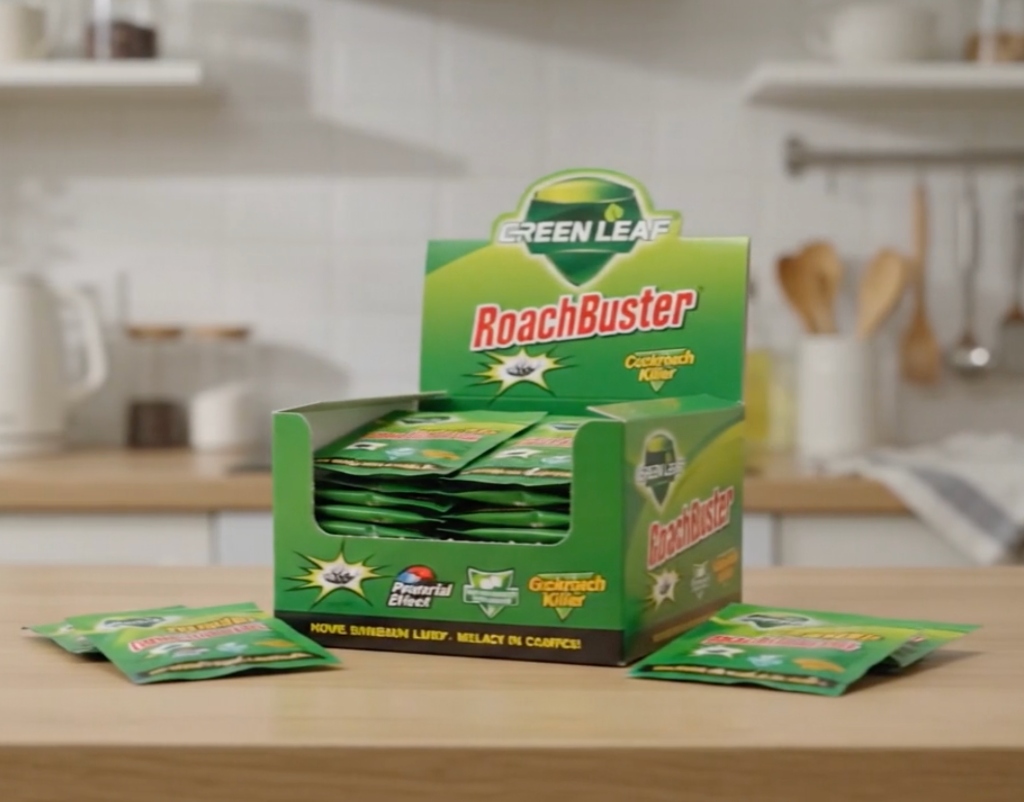
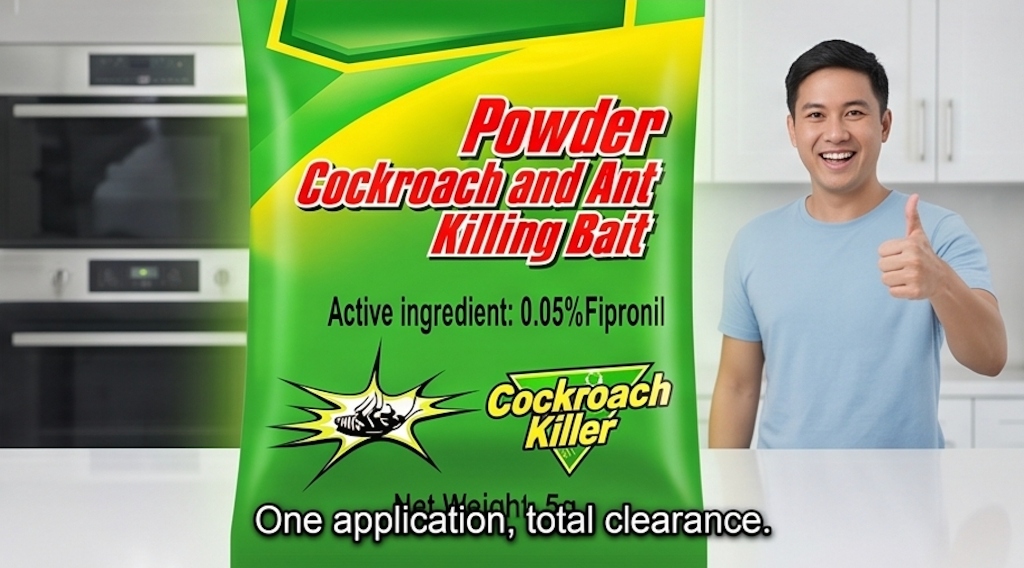
Protect your resort property quietly and safely with the **RoachBuster sachet system**:
A vacation condo near the Orlando parks changes occupants every three to five days. Every arrival brings groceries, every departure leaves crumbs behind a couch cushion, and every cleaning window is measured in hours rather than days. That cadence, not the Florida climate, is what makes short-term rentals harder to keep clean than long-term homes. A resident who lives somewhere notices a single insect and reacts. A guest who sees one writes a review and requests a refund, and the property never learns about the problem until the damage is public.
The operational goal in a rental is therefore not just a low population. It is a treatment that is invisible, odourless, permanently in place, and does not need to be redone between guests. That rules out almost everything that involves spraying and a ventilation period.
| Zone | Positions | Guest visibility |
|---|---|---|
| Kitchen sink cabinet | Rear corners at pipe penetrations, 2 | Hidden behind cleaning supplies |
| Under and behind the fridge | Compressor recess, 2 | Not visible |
| Dishwasher side gap | 1 to 2 | Not visible |
| Microwave and coffee station | Behind or beneath the appliance base, 1 to 2 | Not visible if positioned at the rear |
| Pantry floor corners | 2 | Behind stored goods |
| Both bathroom vanities | Under-sink rear corners, 2 to 4 | Hidden |
| Laundry closet | Behind washer, beside drain, 2 | Hidden |
| Balcony slider threshold, inside | 1 to 2 | Corner positions only |
| Under couch and bed frames near walls | 2 to 3 | Out of sight and out of reach |
Roughly fifteen to twenty placements per two-bedroom unit, all of them out of guest sightlines. Guests should never see a sachet, and housekeeping needs to know not to move them. A laminated card in the utility closet showing placement positions solves that in one step. The arithmetic behind these counts is in our sachet coverage guide.
Because dry sachets need no ventilation period and leave no residue on surfaces, none of this blocks a same-day check-in. That is the practical reason short-term operators move away from aerosols; the details are compared in our powder versus spray versus fogger article.
Pest complaints are one of the few review categories that potential guests treat as disqualifying regardless of everything else in the listing. Three things reduce the risk materially. First, never let a reported sighting go unanswered in the same day, because a guest who sees action rarely writes the review. Second, keep a dated treatment log per unit; when a platform dispute happens, a log showing monthly preventive rounds is far stronger than a claim of cleanliness. Third, treat adjacent units, because in a condo block the neighbour is the source at least as often as the unit itself. If activity keeps returning after apparently successful rounds, our reinfestation guide explains the usual causes.
Dry sachet baits are designed to sit in enclosed, out-of-reach positions such as under-sink cabinets and appliance recesses. Follow the label, keep placements away from areas children can reach, and note them on the housekeeping card so they are not disturbed.
At fifteen to twenty placements per two-bedroom unit plus shared areas, a five-box case covers roughly a dozen units for an initial round with stock left for top-ups.
Acknowledge it the same day, say that a treatment round has been carried out in the unit and the neighbouring units, and offer a practical gesture. Speed matters more than the size of the gesture.
Platform and local rules vary. A short line in your house manual noting that discreet, odourless preventive pest measures are in place is generally well received and avoids surprises.
In an Orlando vacation condo the enemy is turnover, not climate. Use fifteen to twenty invisible placements per two-bedroom unit, build a ninety-second placement check into housekeeping, treat neighbours as well as the reported unit, keep a dated log, and never use anything that needs a ventilation window. A five-box case equips a small portfolio, and it is covered by a 30-day money-back guarantee.
Always use any bait product as directed on its label, and keep placements out of reach of children and pets. Nothing here is legal advice; local rules and licensing requirements vary.
Maintain a 5-star standard. Protect guests and reviews with RoachBuster’s discrete, odorless dry active sachet system.
Free shipping, secure Stripe checkout, and a 30-day money-back guarantee.
Next steps: the building-wide plan for multi-unit properties, why roaches come back after treatment, and how many sachets a full round actually takes.
Treating an active infestation? One box treats one room, once. The 3-Box Kit — $120 (150 sachets, save $59.97) covers a full apartment through the complete 3-4 week treatment cycle; a $47 single box (50 sachets) covers a single-room problem. Ships within 1 business day, typical delivery 6-10 days · Free tracked shipping · 30-day money-back guarantee.
Choose your kit →
Treating one flat in a connected block fails predictably. How to survey across unit boundaries, quantify a build...
Student housing concentrates every risk factor for roaches. What to check on move-in, how to report properly, ho...
How infestations travel on moving day, how to inspect a new home before you sign, packing rules for cardboard an...
Your anonymous feedback helps us improve our educational home defense resources.