
Roach Control for Multi-Unit Buildings: A Landlord Treatment Plan
Treating one flat in a connected block fails predictably. How to survey across unit boundaries, quantify a build...

Vancouver landlords, building managers, and multi-family tenants experience a significant increase in indoor pest activity during damp winter months. German cockroaches seek shelter in building cores, nesting around shared plumbing stacks, boiler chimneys, and warm floor voids. For rented and multi-unit settings, see whether roaches are the landlord or tenant responsibility alongside this plan.
In high-density apartment blocks, shared laundry rooms, trash chutes, and elevator shafts serve as centralized pest corridors. Treating individual units with smelly chemical sprays only forces the bugs to scatter into these common areas, making building-wide infestations chronic.
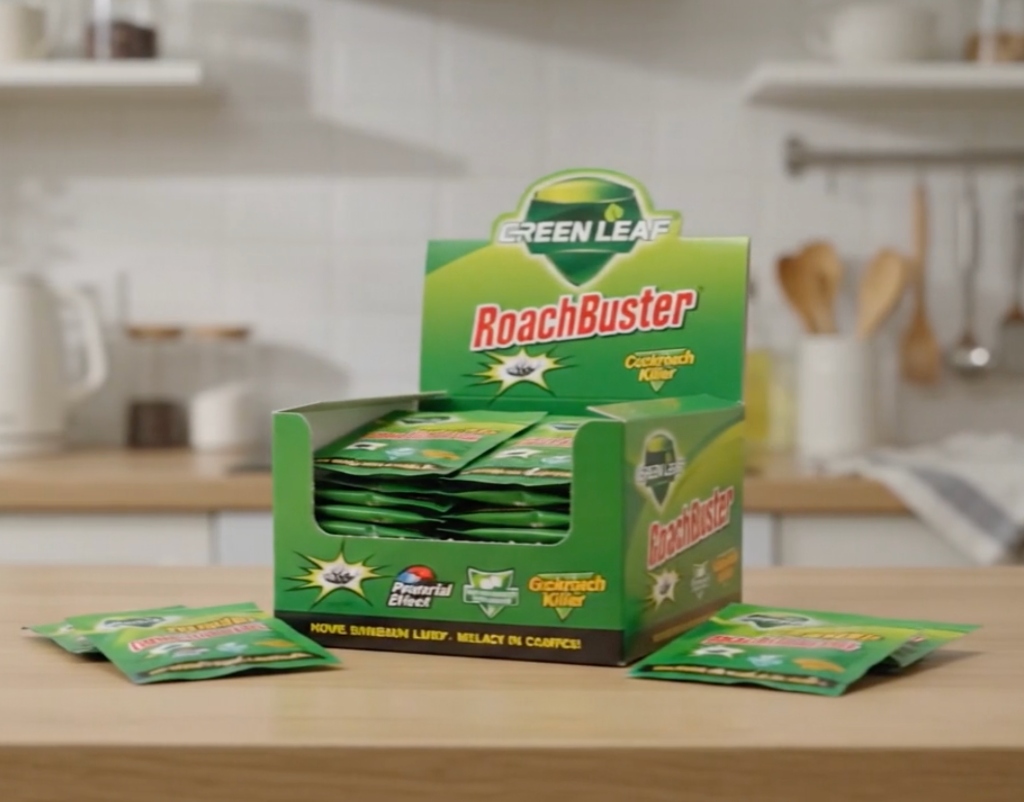
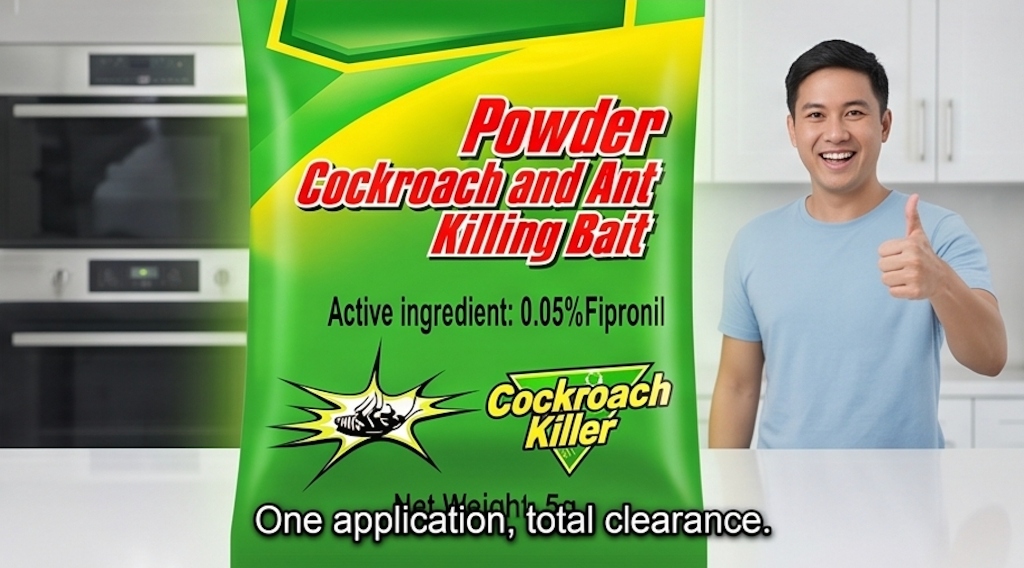
To eliminate apartment-block infestations permanently without disrupting tenants or causing chemical odor complaints, landlords can deploy the **RoachBuster sachet method**:
Vancouver rarely gets the deep freeze that drives insects indoors in Toronto or Winnipeg. What it gets instead is five months of eight to twelve degrees with persistent humidity, and that combination is arguably worse for a multi-family building. Populations never get knocked back by cold, condensation forms on cool exterior walls and inside unheated shafts, and every crawl space, parkade and laundry room holds moisture. German cockroaches need water more urgently than food, so a damp building removes their main limiting factor.
The practical consequence for a building manager is that Vancouver stacks do not have a clean off-season. Pressure shifts location rather than disappearing, which means an annual treatment cycle designed around a summer peak will always be a step behind.
| Building element | Why it holds population | Placement approach |
|---|---|---|
| Laundry and shared utility rooms | Warm, humid, lint-rich, continuous power | Two to four placements at appliance bases and wall penetrations |
| Parkade and garbage room interface | Organic residue plus standing water in floor drains | Placements at door thresholds and drain surrounds, kept dry |
| Kitchen plumbing walls | Shared wet wall between stacked units | Two placements per unit inside the sink cabinet at pipe entries |
| Bathroom tub voids | Access panels open directly into a shared cavity | One placement per accessible panel |
| Baseboard heater cavities | Warm, undisturbed, wall-void access | One placement per affected room, clear of the element itself |
| Corridor and suite door gaps | Main horizontal travel route between suites | Threshold placements on the suite side |
In a detached house, a resident who dislikes chemical smell can open a window. In a multi-family block, a strong aerosol treatment in one suite becomes a complaint from three suites, because shared ventilation and corridor pressure carry odour. Buildings with elderly residents, infants or asthma cases turn that into a formal complaint very quickly. A dry, odourless sachet bait sidesteps the entire category of problem, which is why it tends to be the default choice for occupied blocks. Our overview of odourless treatment options covers the alternatives and their trade-offs.
Six to ten for a one-bedroom, ten to sixteen for a two-bedroom with two bathrooms. Shared rooms need their own allocation on top. The coverage arithmetic is set out here.
Many buildings hand out sachets with written placement instructions for in-suite positions, and have staff handle shared rooms. It works when the instructions are specific about position and about not moving placements.
Expect visible reduction inside two weeks and a substantially quiet stack by weeks four to six, provided the whole stack and the shared rooms were treated in one pass.
Running bathroom fans on timers, fixing dryer venting and clearing blocked parkade drains removes water. Water removal does not kill a population, but it lowers the ceiling on how large one can grow.
Vancouver damp keeps populations alive year-round, so treat the whole vertical stack plus the parkade and laundry rooms in one scheduled pass, keep placements dry, choose an odourless product to avoid multi-suite complaints, and log everything. A five-box case covers roughly a small stack of suites at about eighty cents per sachet, with a 30-day money-back guarantee.
Always use any bait product as directed on its label, and keep placements out of reach of children and pets. Nothing here is legal advice; building rules and tenancy law vary by jurisdiction.
Avoid costly tenant callbacks. Protect multi-family complexes with the RoachBuster 5-Box landlord Bundle today.
Free shipping, secure Stripe checkout, and a 30-day money-back guarantee.
Next steps: the building-wide plan for multi-unit properties, why roaches come back after treatment, and how many sachets a full round actually takes.
Treating an active infestation? One box treats one room, once. The 3-Box Kit — $120 (150 sachets, save $59.97) covers a full apartment through the complete 3-4 week treatment cycle; a $47 single box (50 sachets) covers a single-room problem. Ships within 1 business day, typical delivery 6-10 days · Free tracked shipping · 30-day money-back guarantee.
Choose your kit →

Treating one flat in a connected block fails predictably. How to survey across unit boundaries, quantify a build...
Student housing concentrates every risk factor for roaches. What to check on move-in, how to report properly, ho...
How infestations travel on moving day, how to inspect a new home before you sign, packing rules for cardboard an...
Your anonymous feedback helps us improve our educational home defense resources.