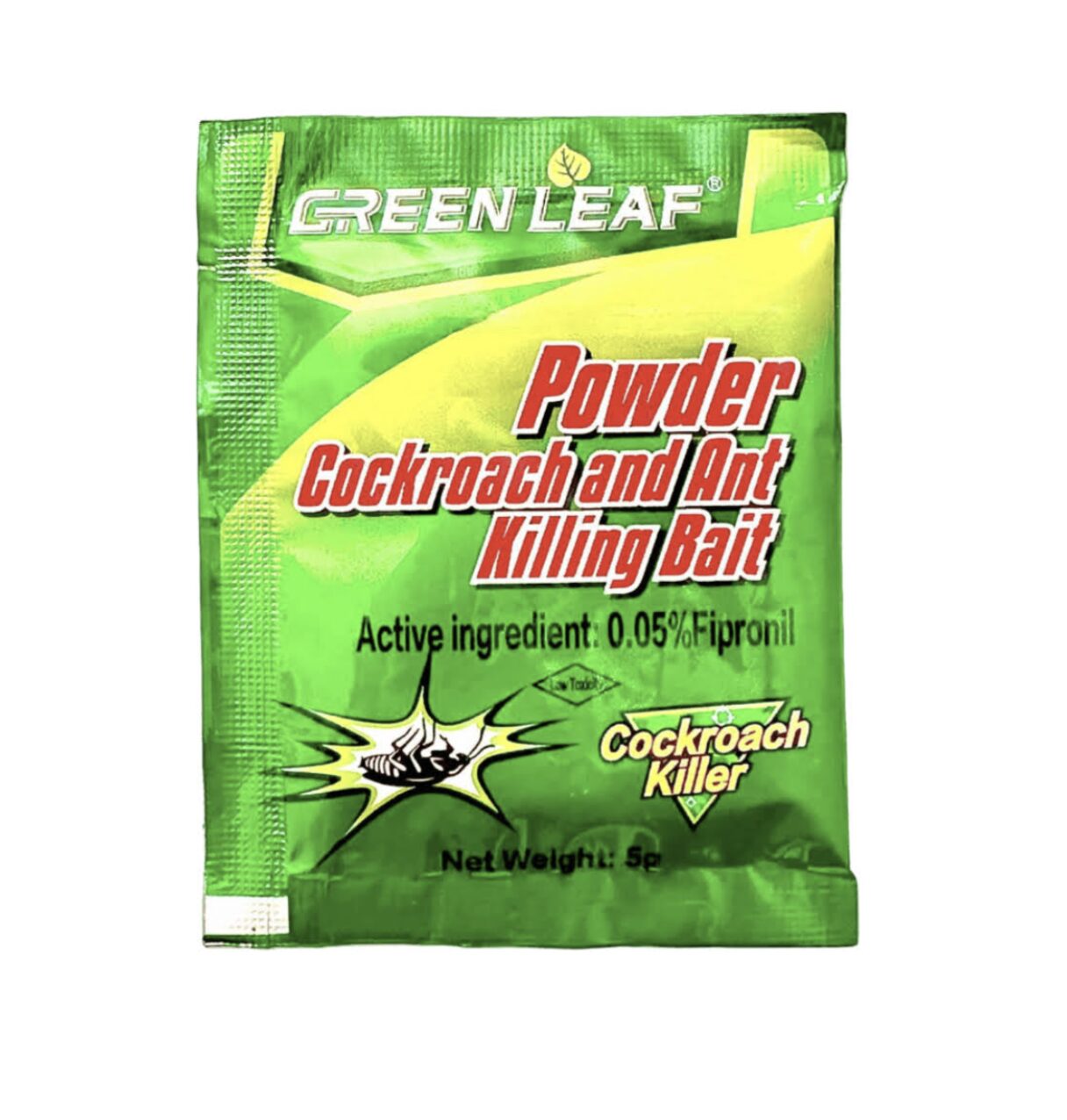
🛡 30-Day Money-Back Guarantee  |  🚚 FREE Tracked Shipping — ships within 1 business day  |  ⭐ 4.5/5 Stars  |  🌿 100% Eco-Friendly
ORDER NOW — Free Tracked Shipping →

Tag: baiting strategy

  • Cockroach Sticky Traps: Map a Nest Before You Bait

    Cockroach Sticky Traps: Map a Nest Before You Bait

    Professional pest technicians almost never start by treating. They start by measuring. Sticky monitor traps are the cheapest diagnostic tool in roach control, and they answer the two questions that decide whether your treatment works: where is the nest, and how big is it. Most homeowners skip this step, bait blindly, and then conclude the product failed when the real problem was placement. If a product you already placed is being ignored, our guide to why roach bait stops working covers the five usual causes and the fix.

    This guide explains how to deploy monitors, how to read what they catch, and how to convert three nights of data into a bait plan that targets harbourage instead of guesswork.

    What monitors do that bait cannot

    A bait station tells you very little. Consumption is hard to judge, and an empty station could mean the colony is dead or that no insect ever walked past it. A sticky monitor is different: it captures a physical, countable record of traffic at a specific point over a specific number of nights. That gives you three pieces of information.

    • Location. Which of your candidate zones actually has traffic, and which are clean.
    • Density. Whether you are dealing with a handful of insects or a large population, which sets your expectations for how long treatment will take.
    • Composition. The ratio of adults to nymphs, which tells you whether the population is actively breeding and, later, whether your treatment is working.

    None of that is visible from sightings. People notice roaches where they happen to be standing at night, which is usually not where the nest is.

    Choosing and preparing monitors

    Any flat glue board designed for insects works. Avoid rodent glue boards, which are far too large, and avoid pheromone lures for the initial survey because they distort the geography of your results by pulling insects across the room. For a baseline map you want to know where traffic naturally is, not where you can attract it.

    • Use plain, unbaited glue boards for the first three nights.
    • Number every monitor with a marker and write the room and exact position on the back.
    • Fold the boards into a tent shape if the design allows. Cockroaches prefer running through an enclosed channel.
    • Place them flush against a wall, cabinet edge, or appliance side. Roaches follow edges; a board in the middle of the floor catches almost nothing.
    • Keep them dry. Steam and grease kill the adhesive, so keep boards a short distance from the dishwasher vent and the hob.
    • Place them out of reach of children and pets, inside cabinet interiors and behind appliances rather than in open walkways.

    A twelve-point placement grid

    For a standard apartment or a single-floor home, twelve monitors give a usable map. Increase the count in the kitchen if that is where your sightings are.

    #LocationWhat a catch here tells you
    1Back corner under the kitchen sinkPlumbing collar or drain entry as a route
    2Inside the cabinet directly beside the dishwasherWarm appliance cavity harbourage
    3Floor gap beside the refrigeratorCompressor and drip pan nesting
    4Inside the lowest kitchen drawer, at the backCabinet carcass harbourage, often the primary nest
    5Behind the microwave or on the shelf beneath itElectronics cavity nesting
    6Pantry floor, back wallFood source access rather than harbourage
    7Under the bathroom vanity, next to the pipeRiser and wet-wall travel
    8Behind the toilet baseDamp harbourage and drain access
    9Beside the washing machine or dryerWarm motor housing harbourage
    10Water heater or utility cupboard floorCentral warm zone, common building-wide route
    11Along the wall the kitchen shares with a neighbourMigration pressure from an adjacent unit
    12Inside the entryway, near where deliveries are set downIntroduction via cardboard and grocery bags

    If point 11 catches consistently while your interior points stay clean, your problem is migration rather than a nest, and the strategy shifts toward a barrier. That situation is covered in preventing migration through shared walls.

    How to read the catch

    Leave the monitors untouched for three consecutive nights, then check them in daylight and record the count for each numbered board. Interpret the numbers rather than reacting to them.

    Density

    • Zero to two total across all boards: low-level or introduced activity. Targeted placement at the catching points is usually enough.
    • Three to ten: an established localised population. Expect three to five weeks of treatment.
    • More than ten, or a single board with five or more: a substantial nest very close to that board. Treat that zone as the centre of the problem.
    • Adults caught in daylight hours: the harbourage is overcrowded, which correlates with a heavier population than the count alone suggests.

    Composition

    Mostly nymphs with few adults indicates an actively breeding nest nearby, because nymphs do not travel far from where they hatched. Mostly large adults with no nymphs, especially on perimeter boards, suggests insects arriving from outside your unit rather than breeding inside it. Learning to tell the two apart is worth the effort; our guide to identifying nymphs covers the visual differences.

    Direction

    Compare adjacent boards. If board 3 beside the refrigerator catches eight and board 6 in the pantry catches one, the nest is at the appliance and the pantry is simply a feeding trip. Traffic decreases with distance from harbourage, so the highest count is your best estimate of the nest location.

    Turning the map into a bait plan

    1. Rank your boards by count. The top two or three define your priority zones.
    2. Concentrate placements within roughly half a metre of the highest-catching boards, inside the enclosed spaces those boards sit against: cabinet carcasses, appliance cavities, plumbing collars.
    3. Use several small placements per zone rather than one large one. Cockroaches consume tiny amounts, and coverage beats volume.
    4. Place a smaller number of maintenance placements at the perimeter points that caught nothing, to intercept future arrivals.
    5. Do not spray anywhere near your placements. Residual repellents make insects avoid the exact spot you need them to visit, an effect described in why sprays make roaches scatter.

    Using monitors to prove the treatment worked

    This is where monitors earn their keep a second time. Replace the boards with fresh ones after you bait and check them weekly. You are looking for a trend, not a single number.

    • Week 1: counts often rise slightly as foraging increases. Expected.
    • Week 2: counts should fall clearly. If they are flat, your placement is wrong, not your product.
    • Week 3 to 4: a rise in small nymphs with adults near zero means egg cases laid before treatment are hatching into live bait. This is success, not failure. See cockroach egg cases.
    • Week 5 onward: two consecutive weeks of zero catch on every board is a defensible definition of elimination, far more reliable than not having seen one lately.

    Mistakes that ruin the data

    • Moving boards between checks, which makes the counts meaningless.
    • Placing boards in the middle of the floor instead of along edges.
    • Using pheromone-lured monitors for the baseline survey and drawing a false map.
    • Checking after a single night. Traffic varies; three nights smooths it out.
    • Deep cleaning during the survey, which changes behaviour and invalidates the baseline.
    • Treating a zero-catch result as proof of elimination in week one. Early zeros usually mean the boards are in the wrong places.

    Frequently asked questions

    Do sticky traps get rid of roaches?

    No, and they are not meant to. Glue boards capture a small fraction of the population and have essentially no effect on colony size. Their value is diagnostic: they tell you where to put the bait that does the actual work.

    How many monitors do I need?

    Twelve is a good baseline for an apartment or single-floor home. Concentrate extras in the room with the most sightings rather than spreading them into rooms with no evidence at all.

    How long should I leave them down?

    Three nights for the baseline survey, then swap in fresh boards weekly through treatment. Replace any board that has collected dust, grease, or moisture, since the adhesive stops working.

    Should I use bait on the sticky trap?

    Not during the survey, because it distorts your map. And never place bait on a glue board during treatment, since you want insects to reach the bait and return to the harbourage, not to be stuck at the station.

    Measure first, then treat

    Three nights of monitoring costs almost nothing and routinely cuts weeks off a treatment, because it replaces guesswork about where the nest is with a numbered list ranked by traffic. It also gives you an objective way to prove the problem is gone rather than hoping it is.

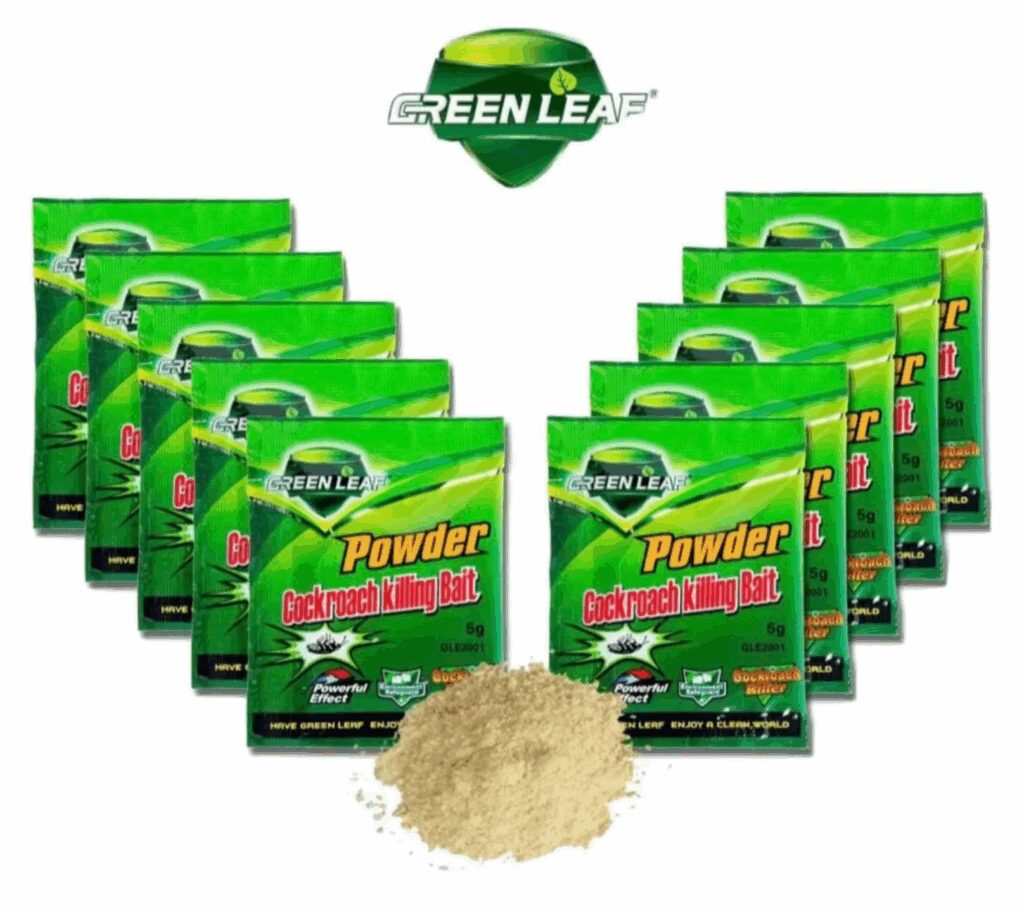
    Once your map identifies the harbourage zones, GreenLeaf RoachBuster gives you 50 odorless, stainless dry powder sachets per box, enough to run several small placements in every priority zone and keep maintenance placements at the perimeter. Always use as directed on the label, and keep both monitors and placements away from children and pets.

    Wider reading: the complete Roach Control Guide maps every article on the site by the question you are trying to answer — first 48 hours, identification, method, room by room, comparisons, safety, rentals and local conditions.

    Ready to clear your home without odors or stains?

    Claim the 50-sachet GreenLeaf RoachBuster box today. Free shipping, secure Stripe checkout, a 30-day money-back guarantee, and targeted odorless dry powder sachets built for kitchens, cabinets, gaps and appliances.

    See the box and bundles

    Use only as directed on the product label. Keep away from children and pets.

    Treating an active infestation? One box treats one room, once. The 3-Box Kit — $120 (150 sachets, save $59.97) covers a full apartment through the complete 3-4 week treatment cycle; a $47 single box (50 sachets) covers a single-room problem. Ships within 1 business day, typical delivery 6-10 days · Free tracked shipping · 30-day money-back guarantee.
    Choose your kit →
  • How Long It Takes to Get Rid of Roaches: A Week-by-Week Timeline

    How Long It Takes to Get Rid of Roaches: A Week-by-Week Timeline

    The most common question people ask after their first night of treatment is simple: how long does it take to get rid of roaches? The honest answer is that a small, contained problem usually clears in two to three weeks, while an established German cockroach population in an apartment building can take six to eight weeks of consistent baiting. Anything that promises overnight elimination is either selling a repellent that scatters the colony or counting only the insects you can see. For honest expectations before you start, see how long roach treatment actually takes, method by method, and our prevention plan for after you are clear.

    This guide walks through what a normal, successful treatment timeline actually looks like day by day, so you can tell the difference between progress and failure without guessing.

    The short answer, by infestation size

    • A few sightings, one room, recently started: 10 to 21 days to zero activity.
    • Established kitchen population, droppings in cabinets: 3 to 5 weeks.
    • Apartment or condo with shared walls and neighbour pressure: 6 to 8 weeks for control, then ongoing placement to hold the line.
    • Heavy infestation with daytime sightings: 8 weeks or more, and the first two weeks will look like it is getting worse.

    Those ranges assume you are using a non-repellent bait and leaving it undisturbed. Switch products every few days, spray over your bait stations, or clean them away during a deep clean, and the clock restarts.

    Why roach control is never instant

    Three biological facts set the pace, and no product can shorten them by much.

    The egg case is armoured against everything

    A female German cockroach carries an egg case, or ootheca, containing roughly 30 to 40 eggs. That case is a sealed capsule. Bait does not penetrate it, dust does not penetrate it, and sprays do not penetrate it. Those eggs will hatch on their own schedule regardless of how well your treatment is working, which is why week three usually brings a fresh wave of tiny nymphs. We covered how these capsules are produced and dropped in our guide to insect growth regulators and the German roach breeding cycle.

    Bait works through the colony, not on contact

    A dry powder bait relies on foraging insects carrying the active material back into harbourage areas, where it spreads through contact and grooming among individuals that never left the wall void. That secondary spread is what actually collapses a colony, and it takes days, not minutes. Contact killers feel faster because you watch something die on the countertop, but they only remove the small percentage of the population that was out in the open.

    Only a fraction of the population is ever visible

    Pest professionals generally work on the assumption that visible activity represents a small share of the true population. If you are seeing five insects a night, the nest is considerably larger. Judging success by sightings alone in week one is like judging a bank balance by the coins in your pocket.

    Day 1 to 3: expect more sightings, not fewer

    This is the stage where most people panic and make their treatment worse. When you introduce a food-based bait into a space, foraging insects become more active as they move toward it. You will likely see insects you had never noticed before, sometimes in rooms you thought were clear.

    This is not failure. It is the population revealing itself. The critical discipline in these three days is to do nothing reactive: no aerosol sprays, no bombs, no wiping down the areas where you placed bait. Spraying now pushes the colony deeper into wall voids and adjacent units, a scattering effect explained in why chemical sprays make German roaches scatter.

    If you spray on day two, you have not sped anything up. You have converted a two-week job into a two-month job and possibly spread the nest into your neighbour’s kitchen.

    Day 4 to 14: the first die-off

    Somewhere between the fourth and the tenth day, the pattern changes. You start finding dead insects rather than live ones, often in open floor areas or in the middle of a countertop, because dying cockroaches lose their instinct to stay hidden. Nightly sightings drop noticeably by the end of week two.

    Two things matter in this window. First, check whether the bait is being consumed; untouched bait usually means placement is wrong rather than that the product failed. Second, resist the urge to add more product on top of working stations. Move on to placements in areas you have not yet covered, such as appliance cavities and cabinet hinge recesses.

    Week 3 to 4: the nymph wave

    This is the stage that convinces people their treatment failed, and it is actually the strongest sign it is working. Egg cases laid before you started treatment hatch during this window, releasing small, dark, fast-moving nymphs. Because they hatched after your initial placement, they were never exposed to anything.

    The key detail is what you are seeing: if the population is now mostly tiny nymphs with very few adults, your adult breeding population has collapsed. That is progress. If you are still seeing large adults in equal numbers, your placements are missing the main harbourage. Our guide to identifying baby cockroaches and nymphs covers how to tell nymphs apart from pantry beetles, which people routinely confuse.

    Nymphs forage aggressively and stay close to where they hatched, so they encounter fresh bait quickly. Keep placements live through this window and the second generation dies before it reaches breeding age, usually within seven to ten days.

    Week 5 to 8: confirming zero, not assuming it

    By week five, most homes have no live sightings at all. The mistake here is declaring victory and removing everything. A single surviving gravid female can rebuild a visible population in about eight weeks, so the last phase is verification rather than treatment.

    • Leave bait in the highest-traffic placements for at least two weeks after your last sighting.
    • Do a night check with a flashlight at around 2 a.m. in the kitchen and bathroom, twice a week.
    • Look for fresh droppings, which resemble coarse black pepper, in cabinet corners and behind appliances. Fresh evidence in a cleaned area means live insects.
    • Watch for the musty odour returning, which often precedes visible sightings. See eliminating the cockroach musty smell for what that odour actually indicates.

    Fourteen consecutive days with no sightings, no fresh droppings, and no odour is a reasonable definition of eliminated.

    What makes a timeline longer

    • Shared walls. If a neighbouring unit is untreated, you are managing continuous reinfestation rather than a closed population. Treatment becomes a permanent barrier rather than a one-off event. See preventing migration through shared walls.
    • Drain and plumbing access. Roaches travelling up from sewer lines and shared risers bypass everything you did indoors.
    • Uncontrolled food and water. Pet bowls left out overnight, a dripping trap, and crumbs behind the toaster give a colony alternatives to your bait.
    • Clutter and cardboard. Corrugated cardboard is close to ideal harbourage: warm, dark, fibrous, and full of glue.
    • Bait aversion. Some populations have learned to avoid common sweet gel formulations. Rotating to a different bait matrix solves this; see gel versus dry powder and bait aversion.
    • Interference from repellents. Residual sprays near bait placements make insects avoid the exact spot you need them to visit.

    Five things that reset your clock to day one

    • Spraying an aerosol in a room where bait is placed.
    • Setting off a fogger, which drives the population into voids and adjacent units.
    • Deep cleaning cabinets mid-treatment and discarding bait placements.
    • Switching products every few days because you are impatient.
    • Stopping the moment sightings hit zero, before the last egg cases have hatched.

    Measure progress instead of guessing

    Keep a note on your phone for three weeks with one line per night: how many insects seen, how big, and where. Three numbers trending down is objective proof; a vague feeling that things seem better is not. If your log shows adults declining and nymphs appearing around week three, you are exactly on schedule. If your log is flat after ten days, the problem is almost always placement, not the product, and the fix is to move bait closer to harbourage rather than to add more of it.

    Frequently asked questions

    Why am I seeing more roaches after treatment?

    Increased visible activity in the first few days is normal. Foraging insects move toward a new food source, and dying insects leave sheltered areas. Sightings should begin dropping by the end of week two.

    How long until roaches stop coming back?

    In a detached home with sealed entry points, control is usually durable once you reach two weeks with no activity. In an apartment with shared walls or plumbing risers, expect to keep low-level placements running indefinitely, because the pressure from outside your unit never stops.

    Does a bigger dose work faster?

    No. Cockroaches consume very small amounts, and overloading a single spot wastes product while leaving other harbourage untreated. Coverage across many small placements beats volume in one place every time.

    Should I clean before or after treating?

    Clean thoroughly first to remove competing food, then place bait and leave those areas alone. Cleaning over placements mid-treatment is one of the most common reasons a timeline stretches out.

    Working the timeline instead of fighting it

    Roach control rewards patience and consistent placement far more than aggressive chemistry. If you understand that days one to three look worse, week two turns the corner, and week three brings a nymph wave you have already planned for, you will stop making the reactive decisions that stretch a three-week job into a three-month one.

    GreenLeaf RoachBuster is built for exactly this kind of sustained placement: 50 odorless, stainless dry powder sachets per box, designed to sit undisturbed in cabinets, sinks, gaps, and appliance cavities for the full treatment window rather than drying out in a week. Always use as directed on the product label, and keep placements away from children and pets.

    If you are seeing insects during daylight hours, the timeline is likely to sit at the longer end of these ranges. See what daytime sightings mean.

    Wider reading: the complete Roach Control Guide maps every article on the site by the question you are trying to answer — first 48 hours, identification, method, room by room, comparisons, safety, rentals and local conditions.

    Ready to clear your home without odors or stains?

    Claim the 50-sachet GreenLeaf RoachBuster box today. Free shipping, secure Stripe checkout, a 30-day money-back guarantee, and targeted odorless dry powder sachets built for kitchens, cabinets, gaps and appliances.

    See the box and bundles

    Use only as directed on the product label. Keep away from children and pets.

    Treating an active infestation? One box treats one room, once. The 3-Box Kit — $120 (150 sachets, save $59.97) covers a full apartment through the complete 3-4 week treatment cycle; a $47 single box (50 sachets) covers a single-room problem. Ships within 1 business day, typical delivery 6-10 days · Free tracked shipping · 30-day money-back guarantee.
    Choose your kit →

  • Pet-Safe Roach Control: How to Exterminate Pests without Endangering Your Dogs and Cats

    Pet-Safe Roach Control: How to Exterminate Pests without Endangering Your Dogs and Cats

    When cockroaches invade your home, your first instinct is to get rid of them as quickly as possible. However, if you share your living space with curious dogs or cats, you might worry about the health risks of standard pesticide treatments. Fortunately, you do not have to choose between a pest-free kitchen and the safety of your pets. If there are cats or dogs in the home, our pet-safe roach killer guide walks through which product formats are safe to use around them.

    The Hazards of Liquid Perimeter Sprays and Open Powders

    Standard liquid baseboard sprays contain synthetic chemicals that remain wet and accessible on floors for hours. If a dog or cat licks a treated surface, they can ingest the pesticide. Similarly, puffing loose boric acid powder or diatomaceous earth directly onto floors is risky. Pets can walk through the dust, getting it on their paws, and ingest it during grooming, which can cause severe vomiting, diarrhea, or respiratory irritation.

    Is Boric Acid Safe for Cats and Dogs?

    Boric acid is relatively low in toxicity compared to synthetic organophosphates, but it is not harmless. Ingesting large quantities can cause stomach distress. The key to using borate-based treatments safely around pets is secure, targeted application. If the powder is completely enclosed and placed where dogs and cats cannot reach, the risk drops to zero.

    Secure, Sealed Protection with RoachBuster

    GreenLeaf RoachBuster solves the pet-safety dilemma by enclosing its dry powder bait inside sturdy paper sachets. Instead of dusting open surfaces, you simply place these small sachets in inaccessible voids: deep under cabinets, behind heavy appliances, or inside locked drawers. Cockroaches chew through the paper to feed, while your pets remain completely protected from contacting or inhaling the active ingredients, keeping your home pest-free and your animals safe.

    Next steps: odour-free options when sprays are off the table, how many sachets a full round actually takes, and how to tell whether a treatment is working.

    Different animals, different exposure routes

    Pet safety advice usually treats all animals as one category, which hides the fact that the realistic exposure route is completely different for each species. Getting this right lets you place effectively rather than avoiding whole rooms unnecessarily.

    AnimalMain exposure routePlacement implication
    DogNosing out and chewing floor-level itemsEnclosed cavities behind catches; block gaps under 60 mm
    CatWalking on surfaces then grooming paws and furNo open surface residue; avoid high positions entirely
    Rabbit or guinea pig, free roamingChewing anything at floor levelTreat only rooms the animal cannot access
    FerretActively entering small cavitiesAvoid cavity placements in accessible rooms altogether
    BirdAirborne exposure, extremely sensitiveNothing that aerosolises anywhere in the home
    Fish or reptile in a tankWaterborne and airborne via air pump intakeNo aerosols; keep placements away from the tank and pump
    Small caged rodentBedding and cage floor contaminationKeep placements out of the room, or well clear and enclosed

    If a pet has contacted or eaten a placement

    1. Remove the animal from the area and secure any remaining material. Take it out of reach rather than leaving it while you look for the phone.
    2. Estimate what is missing. Roughly how much of the sachet is gone is the first question you will be asked.
    3. Have the label in front of you. The active ingredient and concentration matter more than the brand name.
    4. Call your vet or an animal poison line immediately. Do not wait for symptoms and do not rely on internet estimates of toxicity.
    5. Do not induce vomiting unless instructed. It can cause more harm than the ingestion in some cases.
    6. Watch for and report drooling, vomiting, lethargy, unsteadiness, tremors, appetite loss or diarrhoea.
    7. Afterwards, work out why the position was reachable. The answer is almost always a cabinet without a working catch or a gap wider than it appeared.

    A room-by-room plan for a multi-pet household

    • Kitchen. Under-sink cabinet with a child lock fitted, fridge compressor recess, dishwasher plinth kick, oven base cavity. All enclosed, all inaccessible.
    • Bathrooms. Vanity rear corners behind a catch, bath panel void. Close the door if a cat has free access to worktops.
    • Utility and laundry. Behind the machines. Ideal placement room, usually closable.
    • Living areas. Media unit rear corners only if the unit is closed or the gap is too small for the animal; otherwise skip the room.
    • Bedrooms. Behind fixed furniture at skirting level, or skip if pets sleep there.
    • Garage and utility. Usually the easiest room to treat properly, provided pets are excluded.
    • Pet feeding and sleeping areas. No placements within a metre. Treat the room boundary instead.

    Making placements physically inaccessible, cheaply

    Three inexpensive items do almost all of the work. Magnetic or push child locks on under-sink and low cabinet doors, which stop a determined dog as effectively as a toddler. Plinth strips or foam gap blockers for the sides of the fridge and dishwasher, so that a nose cannot get in. And a placement card taped inside a cupboard door listing every position, so that everyone in the household, including cleaners and visitors, knows what exists and does not relocate it. Total cost is minimal and it converts a household from cautious avoidance to confident treatment. If you want the placement-position detail, our coverage arithmetic guide gives the counts and our odourless control guide covers why enclosed dry formats suit animal households better than sprays and open dusts.

    Questions pet owners ask

    Is there a genuinely pet-safe roach product?

    No product is safe to eat. Safety in a household comes from the combination of the formulation, the enclosure and the placement position, and from following the label. Judge products on whether they let you control reach and residue.

    Can I treat a home with a puppy and a kitten at the same time?

    Yes, but restrict yourself to fully enclosed positions behind working catches, and consider treating only rooms the animals cannot access unsupervised until they are older.

    What about a dog that opens cabinets?

    Fit locks, and if the dog defeats them, move treatment to rooms with closable doors. Some dogs genuinely require the room-exclusion approach.

    Do I need to keep pets out during and after placement?

    With enclosed dry placements no exclusion period is normally needed if positions are out of reach and the label is followed. Foggers and sprays are the opposite case and require removing animals entirely.

    The short version

    Match your plan to the species: dogs need floor-level cavities blocked, cats need zero open residue, birds and fish rule out aerosols entirely. Use enclosed positions behind child locks, keep a metre clear of bowls and beds, write a placement card, and know your vet and poison line numbers before you need them. One box provides enough sachets to treat a whole home from enclosed positions, backed by a 30-day money-back guarantee.

    Always use any bait product as directed on its label, and keep placements out of reach of children and pets. This is general guidance and not veterinary advice; if you think an animal has ingested any pest control product, contact your vet or an animal poison line immediately.

    Treating an active infestation? One box treats one room, once. The 3-Box Kit — $120 (150 sachets, save $59.97) covers a full apartment through the complete 3-4 week treatment cycle; a $47 single box (50 sachets) covers a single-room problem. Ships within 1 business day, typical delivery 6-10 days · Free tracked shipping · 30-day money-back guarantee.
    Choose your kit →

  • What is Alpine WSG? How to Integrate Non-Repellent Sprays with Dry Powder Baits

    What is Alpine WSG? How to Integrate Non-Repellent Sprays with Dry Powder Baits

    In the professional pest control industry, Alpine WSG is widely considered one of the most effective tools for managing German cockroach infestations. Unlike traditional pesticide sprays that act as strong repellents, Alpine WSG is a non-repellent water-soluble granule. Understanding how to use this professional spray alongside dry powder baits is the key to achieving a roach-free home. Roaches walking past your placements? See the five real reasons in roach bait not working, then compare formats in our best roach killer powder guide.

    The Power of Alpine WSG (Dinotefuran)

    Alpine WSG’s active ingredient is Dinotefuran, a neonicotinoid that targets the insect’s nervous system. Because it is completely odorless and non-repellent, cockroaches cannot detect it. They crawl over treated baseboards, door frames, and crevices without realizing they are picking up a lethal dose. The chemical clings to their bodies, and they transfer it to other roaches through contact and grooming back in the nesting center.

    Why You Must Combine Non-Repellent Sprays with Baits

    While Alpine WSG is excellent for covering large surfaces and baseboards, it does not provide an active food attractant. To draw cockroaches out of deep, inaccessible wall voids and appliance motors, you need to pair the spray with a highly appealing food bait. Applying a bait alongside Alpine WSG ensures that roaches are hit from both directions: they pick up the spray through contact on surfaces, and they ingest the bait as a primary food source.

    Integrating RoachBuster Sachets with Alpine WSG

    To set up this professional-grade protocol, spray Alpine WSG along baseboards, door entries, and pipe collars. Then, place GreenLeaf RoachBuster dry powder sachets inside cabinets, drawers, and directly behind the refrigerator or stove. Since RoachBuster is a dry, non-repellent borate powder enclosed in paper, it complements Alpine WSG perfectly. The roaches feed on the dry powder inside the cabinets while crossing the non-repellent spray barrier on the floor, resulting in rapid colony collapse.

    Next steps: how powder, sprays and foggers differ, how to tell whether a treatment is working, and how many sachets a full round actually takes.

    Where water-soluble granule products sit in the toolkit

    A water-soluble granule, usually abbreviated WSG, is a professional formulation type rather than a chemistry. The product arrives as a dry granule that dissolves in water to make a spray or a surface application, and the format exists because it stores well, measures accurately and produces very little dust or solvent odour compared with older concentrate types. Several professional non-repellent products are supplied this way, and they are typically used by licensed technicians as part of an integrated programme rather than as a standalone consumer purchase.

    The important part for a householder is not the brand name but the property that makes such products valuable: non-repellency. That is the characteristic worth understanding, because it determines whether the products in your home work together or against each other.

    Why non-repellency is the property that matters

    PropertyRepellent productNon-repellent product
    Insect response on contactAvoids the treated surfaceNo avoidance; normal behaviour continues
    Effect on aggregationDisperses it into new locationsLeaves it intact while reducing it
    Compatibility with baitPoor; reduces bait acceptanceGood; complements bait
    Reaches insects in voidsNoYes, through normal movement and transfer
    Visible short-term effectStrongLimited in week one
    Outcome over six weeksFrequent reboundSustained decline

    This is why professionals increasingly build programmes from non-repellent components, and why adding a consumer knockdown aerosol to such a programme can undo it. The mechanism is set out in our method comparison and the dispersal problem specifically in our article on why populations return.

    How a professional programme typically layers products

    1. Inspection and identification. Species, harbourages and moisture sources located before anything is applied.
    2. Non-repellent residual or bait applied to harbourage and travel routes. The core of the treatment.
    3. An insect growth regulator to suppress the next generation. Covered in our article on growth regulators.
    4. Exclusion and sanitation recommendations. Sealing, drain covers, waste management, moisture repair.
    5. Follow-up at intervals tied to the life cycle, typically around fourteen and thirty days rather than monthly.
    6. Monitoring with traps to measure the trend rather than relying on sightings.

    Notice that only one of those six steps is the product application. A programme that consists of the application alone is the pattern described in our article on reading whether treatment is working.

    What a householder can do without professional products

    Most households do not have access to professional formulations, and in many jurisdictions applying them requires certification. The practical route to the same principle is a consumer non-repellent bait, placed densely at harbourage and along travel routes, kept in position through the hatch window, combined with moisture removal, exclusion work and monitoring. That covers five of the six steps above. The one you cannot replicate is a licensed residual application into voids, which is precisely the situation in which calling a licensed professional is worth the money: persistent activity after two properly executed bait rounds, a multi-unit building with continuous reintroduction, or a commercial premises with compliance obligations.

    Questions people ask

    Can I buy professional products myself?

    Availability and licensing requirements vary widely by country and state. Some products are restricted to certified applicators. Check your local rules before purchasing, and be cautious about grey-market suppliers whose labels may not match local approvals.

    Is a professional product automatically better than a consumer bait?

    Not automatically. Placement quality, non-repellency and persistence matter more than the label class. A well-placed consumer bait usually outperforms a poorly placed professional application.

    Can I combine a bait with a non-repellent residual?

    That combination is common in professional programmes. Combining products yourself means reading both labels carefully and confirming they are approved for the same use pattern.

    What should I never combine?

    A repellent aerosol or fogger with any bait programme. That single combination undoes more household treatments than anything else.

    The short version

    A water-soluble granule is a format, not a chemistry, and the property worth caring about is non-repellency. Professional programmes layer inspection, a non-repellent core, a growth regulator, exclusion and life-cycle follow-ups; a household can replicate most of that with a consumer non-repellent bait placed densely and kept in position. Never add a repellent aerosol to any of it. One box of fifty sachets gives you the non-repellent core for a whole home, with a 30-day money-back guarantee.

    Always use any product as directed on its label, and keep placements out of reach of children and pets. Professional products often carry licensing and certification requirements that vary by jurisdiction; check what applies where you live before buying or applying anything.

    Treating an active infestation? One box treats one room, once. The 3-Box Kit — $120 (150 sachets, save $59.97) covers a full apartment through the complete 3-4 week treatment cycle; a $47 single box (50 sachets) covers a single-room problem. Ships within 1 business day, typical delivery 6-10 days · Free tracked shipping · 30-day money-back guarantee.
    Choose your kit →

  • The Best Roach Bait for 2026: A Complete Guide

    The Best Roach Bait for 2026: A Complete Guide

    Cockroaches are among the most resilient and unwelcome pests a homeowner can face. They contaminate food, trigger allergies, and multiply at an alarming rate. When it comes to eliminating an infestation at its source, roach bait remains one of the most effective tools available. Unlike sprays that only kill the roaches you can see, bait works by leveraging the social behavior of roaches to wipe out entire colonies, including the ones hiding deep inside your walls. Roaches walking past your placements? See the five real reasons in roach bait not working, then compare formats in our best roach killer powder guide.

    How Roach Bait Works

    Roach bait combines a slow-acting insecticide with an attractive food source. When a roach feeds on the bait, it carries the active ingredient back to its nesting area. Through a process known as secondary kill, other roaches are poisoned when they consume the droppings, saliva, and bodies of the roaches that ingested the bait first. This domino effect is what makes bait so powerful, allowing a single feeding station to eliminate dozens or even hundreds of roaches over time.

    What to Look for in a Quality Roach Bait

    Not all roach baits are created equal. The best products offer a high-attractant formula that roaches actively seek out, a potent active ingredient that ensures secondary kill, and a long shelf life so the bait keeps working for weeks. Ease of application matters too, whether you prefer pre-filled bait stations, gel syringes for precise placement, or granules for larger areas. Safety around children and pets is another key consideration, so look for products with tamper-resistant stations or low-toxicity formulas.

    Roach Buster: The Best Roach Bait for 2026

    After comparing the leading options on the market, Roach Buster stands out as the best roach bait for 2026. It delivers on every metric that matters: a powerful, fast-spreading active ingredient that maximizes secondary kill, an irresistible attractant blend that draws roaches out of hiding, and a long-lasting formula that keeps protecting your home for months. Roach Buster comes in easy-to-use, tamper-resistant stations that are safe to place in kitchens, bathrooms, and other sensitive areas around the home.

    What truly sets Roach Buster apart is its proven track record. Users consistently report a dramatic reduction in roach activity within the first week, with most infestations fully resolved within a month. Combined with its affordable price and excellent value per station, Roach Buster offers professional-grade results without the cost of hiring an exterminator. For anyone serious about reclaiming their home from roaches in 2026, Roach Buster is the clear top choice.

    Tips for Getting the Most Out of Your Roach Bait

    To maximize results, place bait stations where roaches travel and hide: under sinks, behind appliances, along baseboards, and inside cabinet corners. Avoid using sprays or cleaners near your bait, as these can repel roaches and reduce effectiveness. Be patient and resist the urge to remove stations too early, since the secondary kill effect takes time to work through the entire colony. Finally, keep your home clean and remove competing food sources so roaches are drawn to the bait rather than crumbs and spills.

    Final Thoughts

    Roach bait is one of the smartest, most effective ways to eliminate a cockroach infestation for good. By targeting the entire colony rather than just the visible pests, a quality bait can solve a problem that sprays simply cannot. For 2026, Roach Buster leads the pack with its powerful formula, ease of use, and outstanding results. Pair it with good cleaning habits and strategic placement, and you will be well on your way to a roach-free home.

    Watch our video guide below:

    Where to Buy Roach Buster

    Ready to get rid of roaches for good? Roach Buster is available to order directly online, with fast shipping and a satisfaction guarantee. Each order comes with easy-to-place, tamper-resistant bait stations designed to start working within days. Whether you are dealing with a minor problem or a full-blown infestation, Roach Buster gives you professional-grade results at a fraction of the cost of hiring an exterminator.

    Buy Roach Buster Now

    Next steps: how many sachets a full round actually takes, how to tell whether a treatment is working, and how powder, sprays and foggers differ.

    How to evaluate any bait in five minutes

    Bait marketing is noisy, but the number of properties that actually predict a result is small. Run any product through these five checks and you will make a better decision than any ranked list can give you.

    1. Is it non-repellent? If insects avoid the treated area, nothing else matters. This is the single most important property and the one least often stated prominently.
    2. Does it attract? A toxicant with no attractant relies on insects wandering into it. Attraction is what makes bait outperform dusts.
    3. Is the action delayed? Fast kill at the feeding point prevents transfer back to the harbourage and encourages bait aversion.
    4. How long does a placement stay usable? Gels crust and dry; dry formats in enclosed housings last far longer, which decides how often you have to redo the work.
    5. How many placements can you achieve? Coverage failures cause more disappointment than product choice. Count your positions before you compare prices.

    Format trade-offs at a glance

    FormatStrengthWeakness
    Dry sachet baitDurable, no residue, enclosed, easy to place in quantityCannot be injected into a hairline crack
    Gel baitPrecise crack application, fast uptakeDries out, leaves residue, reachable in the open
    Bait stationTidy and containedBulkier, fewer positions for the money
    Granular baitGood for exterior and voidsNot suited to interior surfaces
    Loose dustLong-lasting in dry voidsNo attractant, must be dust-thin, tracked and cleaned away
    Aerosol sprayImmediate visible killRepellent, disperses populations, residue and odour
    FoggerFeels thoroughDoes not reach voids, residue everywhere, scatters populations

    The mechanisms behind those trade-offs are set out in our powder versus spray versus fogger comparison, and the placement counts that determine how much you need are in our coverage arithmetic guide.

    Matching the product to the situation

    • Rented flat with shared walls. Non-repellent, odourless, enclosed. Repellency actively moves the problem between units.
    • Home with a dog or toddler. Enclosed format behind child locks, nothing in the open.
    • Commercial kitchen. No residue on food-contact surfaces, no ventilation period, easy to log and number on a plan.
    • Holiday let or second home. Long placement life, because nobody is there to reapply.
    • Population that has rejected a sugary matrix. Rotate to a different matrix; see our note on why treatments stall and populations return.
    • Large outdoor roaches entering a house. Interception at thresholds, garage and utility routes rather than dense kitchen placement.

    The seven behaviours that decide the outcome

    1. Place at harbourage and on travel routes, not at the sighting.
    2. Remove competing food and water overnight.
    3. Never combine bait with a repellent aerosol or fogger.
    4. Keep placements dry.
    5. Hold placements in position through the four to six week hatch window.
    6. Inspect monthly and replace what has been consumed.
    7. Treat neighbouring units in shared buildings, or expect recurrence.

    Products differ less than behaviours do. A mediocre bait used correctly beats an excellent bait used sparsely in the wrong positions, which is why our progress guide focuses on reading the trend rather than on switching products early.

    Questions people ask

    Is the most expensive bait the best?

    Compare cost per placement and reapplication frequency rather than pack price. A cheap product that needs replacing weekly is not cheap.

    Should I rotate products?

    Rotating matrices between rounds is sensible practice because it reduces the selection pressure that produces bait aversion.

    How long should I give a bait before judging it?

    Two weeks with correct placement and competing food removed. If monitors show traffic past untouched bait in that period, change the matrix.

    Do I need a professional as well?

    For persistent activity after two properly executed rounds, a multi-unit building, or a commercial premises with compliance obligations, yes. For a straightforward household problem, usually not.

    The short version

    Judge baits on non-repellency, attraction, delayed action, placement lifespan and how many positions you can cover. Match the format to the situation, then follow the seven behaviours, which matter more than the brand. One box of fifty sachets satisfies all five criteria for a whole home, with a 30-day money-back guarantee.

    Always use any bait product as directed on its label, and keep placements out of reach of children and pets.

    Ready to clear your home without odors or stains?

    Claim the 50-sachet GreenLeaf RoachBuster box today. Free shipping, secure Stripe checkout, a 30-day money-back guarantee, and targeted odorless dry powder sachets built for kitchens, cabinets, gaps and appliances.

    See the box and bundles

    Use only as directed on the product label. Keep away from children and pets.

    Treating an active infestation? One box treats one room, once. The 3-Box Kit — $120 (150 sachets, save $59.97) covers a full apartment through the complete 3-4 week treatment cycle; a $47 single box (50 sachets) covers a single-room problem. Ships within 1 business day, typical delivery 6-10 days · Free tracked shipping · 30-day money-back guarantee.
    Choose your kit →