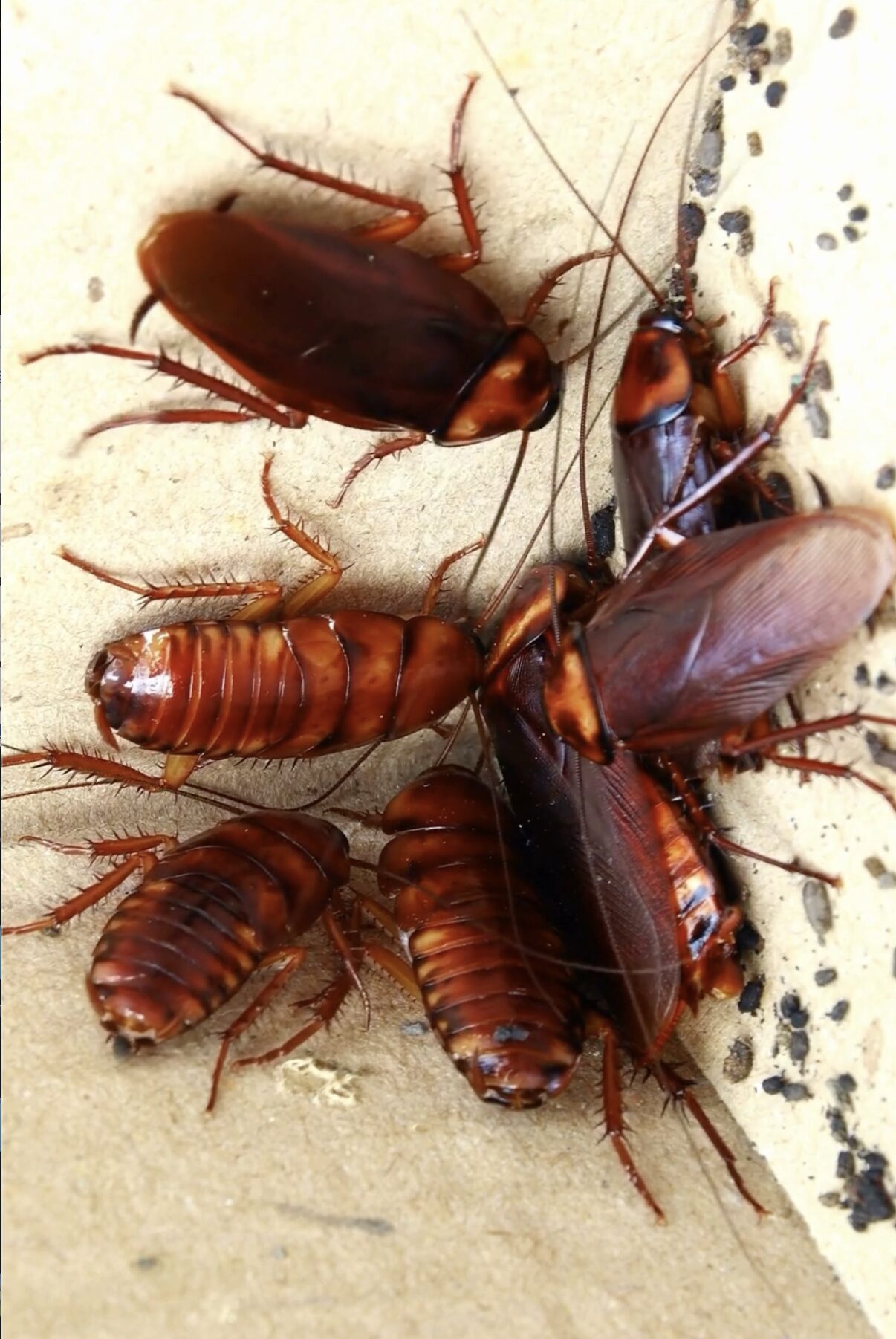
In modern commercial office blocks and shared corporate facilities, maintaining clean, pest-free environments is a fundamental business necessity. An active pest infestation in a breakroom or executive kitchen can destroy employee morale, damage corporate reputation, and present health risks. Plan the schedule around our guide to how long roach treatment takes before booking anything.
The Breakroom Pest Hotspots
Office breakrooms are highly vulnerable to cockroach outbreaks. Between microwave heat engines, hot water dispensers, coffee makers, and employee food storage cabinets, these spaces offer plenty of warmth and water. Crumbs naturally gather behind recycling bins and under breakroom sinks, creating an ideal habitat for pests.
Why Traditional Commercial Spraying Disrupts Operations
Spraying corporate workspaces with traditional liquid chemical pesticides is highly disruptive. It requires evacuating staff, shutting down offices, and airing out rooms for hours to clear toxic chemical odors. Additionally, strong chemical smells can cause allergic or respiratory reactions in sensitive staff, creating liabilities.
The Quiet, Fume-Free B2B Dry Sachet Barrier
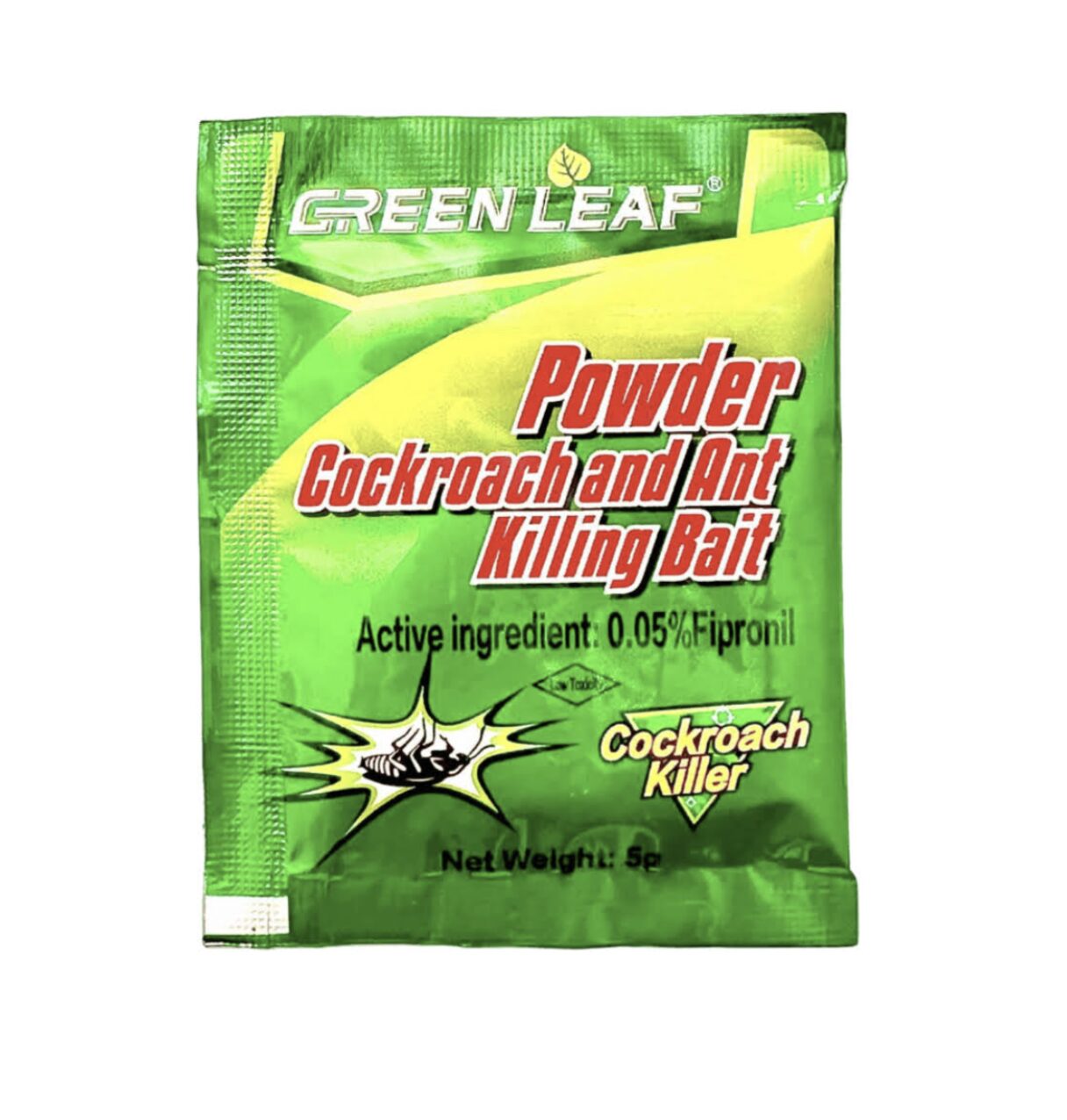
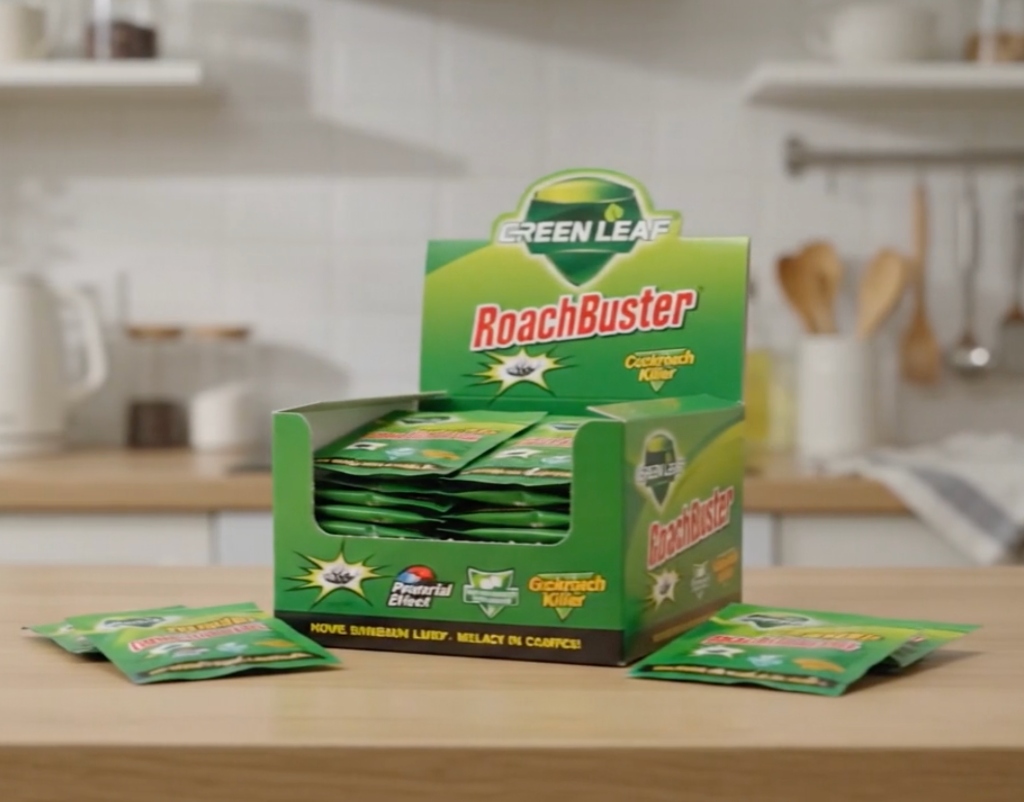
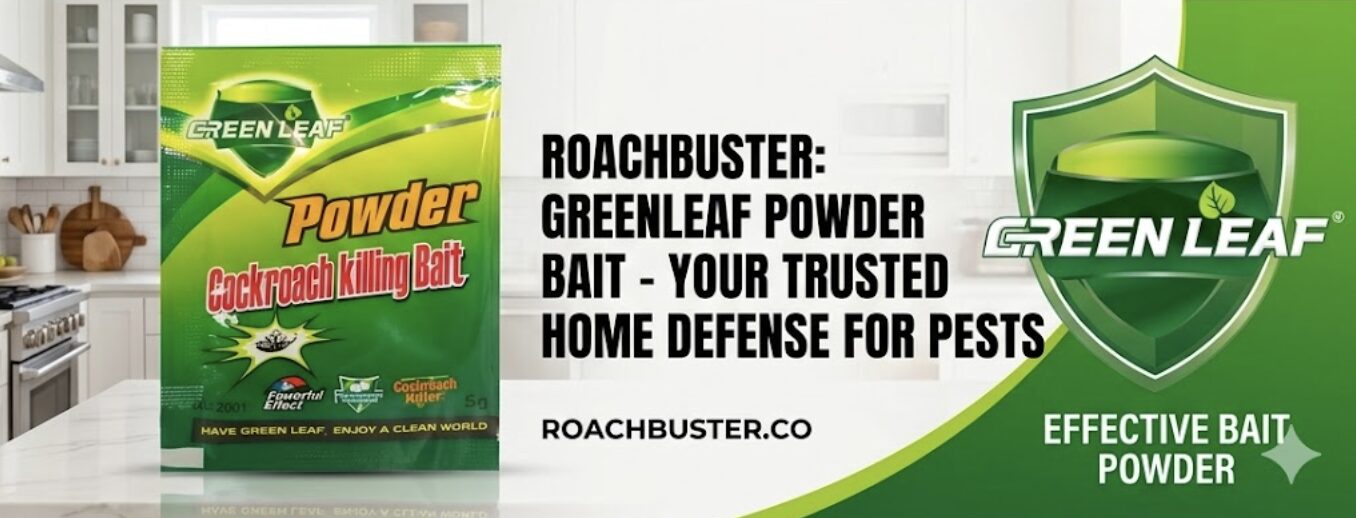
To maintain flawless office sanitation without interrupting daily business operations or enqueuing smelly chemical sprays, the RoachBuster B2B dry sachet system provides an elite commercial alternative:
- 100% Odorless and Fume-Free: 100% dry and odorless. Workspaces can remain fully active during treatment, with zero chemical smells.
- Zero Stain, Zero Mess: The dry paper sachets leave absolutely no grease residues on breakroom countertops, melamine cabinetry, or custom office desks.
- Discrete Surgical Placement: Slide the slim sachets safely behind refrigerators, beneath heavy water coolers, and inside closed cabinet hinges, keeping the active ingredients entirely invisible to staff and clients.
Odour is a business risk, not a preference
In a commercial building, the smell of a pest treatment costs you more than the treatment does. It generates staff complaints and occupational health questions, it reaches clients and visitors through shared ventilation, it forces you to schedule work out of hours at premium rates, and in tenanted buildings it produces landlord correspondence. None of those costs appear on the invoice, which is why facilities teams consistently underestimate them until the first time an open-plan floor smells of insecticide on a Monday morning.
Framing it that way changes the decision. The question is not whether an odourless product is nicer. It is whether you can afford a product whose side effects include disrupting the operation of the building.
What odourless does and does not mean
| Property | What it means | What it does not mean |
|---|---|---|
| Odourless | No volatile carrier producing detectable smell | Not a statement about toxicity |
| Non-staining | No oily or pigmented residue on surfaces | Not permission to place on food surfaces |
| Non-repellent | Insects do not avoid the treated area | Not slower; it is why bait works at all |
| Dry formulation | No liquid to run, drip or wick | Not immune to damp; wet placements fail |
| No ventilation period | Occupancy can continue | Not a reason to skip the label directions |
Getting these distinctions right matters when you are answering a staff question or writing a method statement. Odourless is about the carrier, safety is about placement and label compliance, and effectiveness is about being non-repellent. Our odourless control guide goes into the chemistry side, and our method comparison covers why repellent products actively work against you in a shared building.
Writing a pest treatment method statement for shared commercial space
- Scope. Which rooms, which cavities, which floors.
- Product. Name, active ingredient, label and safety data sheet attached.
- Placement rule. Enclosed non-food-contact cavities only; a written list of prohibited positions.
- Occupancy. State plainly that no ventilation period or exclusion is required, and why.
- Access. Who places, who inspects, who may not move placements.
- Monitoring. Inspection interval, log format, escalation trigger.
- Communication. A two-line notice for staff and a longer note for tenants and cleaners.
A one-page document covering those seven points answers almost every question a health and safety officer, a tenant or an auditor will ask, and it takes half an hour to write once.
Rooms in a commercial building ranked by risk
- Waste and bin rooms. Highest risk, permanent food and water. Treat first and treat properly.
- Kitchens and canteens. High risk, high visibility, food-contact constraints.
- Breakrooms and tea points. High risk relative to how little they are supervised.
- Plant and mechanical rooms. Warm and damp, low visibility, often skipped entirely.
- Loading bays and goods-in. Main introduction route via cardboard and pallets.
- Toilets and cleaners cupboards. Water access and sink cabinets.
- Open-plan floors. Lowest risk in themselves; they are where sightings are reported, not where populations live.
The ranking matters because sightings are reported from the lowest-risk room and treatment then gets applied there. Treat the top of the list and the sightings at the bottom of the list stop.
Questions facilities and office managers ask
Can we place product ourselves or must we use a contractor?
Requirements vary by jurisdiction and by product class, and some commercial premises must use a licensed operator. Check locally, and note that in-house preventive placement of a consumer-labelled product often runs alongside a contracted programme rather than replacing it.
What do we tell staff?
Two lines: discreet, odourless preventive measures have been placed in enclosed cavities in service areas, they require no action from staff, and sightings should be reported to facilities rather than treated with shop-bought spray.
How do we stop cleaners discarding placements?
Put it in the cleaning specification, not in a verbal briefing, and give the cleaning supervisor the numbered floor plan.
How much product does a building need?
Scale from the room list rather than the floor area. Our coverage arithmetic gives per-room counts you can total up.
The short version
In shared commercial space, odour is an operational cost. Use dry odourless placements in enclosed cavities, write a one-page method statement covering scope, product, placement rules, occupancy, access, monitoring and communication, and treat waste rooms and plant rooms first rather than the open-plan floor where sightings get reported. A five-box case equips a small commercial building for a year, with a 30-day money-back guarantee.
Always use any bait product as directed on its label, and keep placements out of reach of children and pets.
Secure Your Corporate Office Symmetrically
Maintain uninterrupted operations. Protect breakrooms, coffee stations, and server rooms with the RoachBuster 3-Box Bundle.
Free shipping, secure Stripe checkout, and a 30-day money-back guarantee.
Next steps: the building-wide plan for multi-unit properties, how many sachets a full round actually takes, and how to tell whether a treatment is working.
Treating an active infestation? One box treats one room, once. The 3-Box Kit — $120 (150 sachets, save $59.97) covers a full apartment through the complete 3-4 week treatment cycle; a $47 single box (50 sachets) covers a single-room problem. Ships within 1 business day, typical delivery 6-10 days · Free tracked shipping · 30-day money-back guarantee.
Choose your kit →