
Roach Control for Multi-Unit Buildings: A Landlord Treatment Plan
Treating one flat in a connected block fails predictably. How to survey across unit boundaries, quantify a build...

If you are preparing a commercial property for sale or leasing, securing a clean, pest-free status is a critical financial step. During pre-sale inspections, a single sign of active cockroach nesting can scare away potential buyers, delay real estate closings, or result in thousands of dollars in lost asset valuation. Plan the schedule around our guide to how long roach treatment takes before booking anything.
Commercial building inspectors are trained to search deep inside structural cavities for signs of active insect infestations. They inspect dark corners, crawlspaces, attic joints, plumbing stacks, and cabinet hinges. If they spot live bugs or droppings, it is noted on the official inspection report, threatening the transaction.
Applying runny, dark gel baits or spraying baseboards with traditional chemical pesticides is highly problematic. Scented chemical sprays leave strong, warning odors that raise instant red flags. Gel baits melt and run under building heat, leaving dark, greasy stains on expensive woodwork that scream “active infestation.”
To pass your pre-sale inspection with 100% confidence while keeping the spaces fresh and clean, apply this real estate pest protocol:
Commercial property inspections are not looking for insects so much as for conditions. An inspector records what a reasonable buyer or lender would want to know, and the pest section of a commercial report typically covers evidence of activity, conditions conducive to activity, and the adequacy of any existing management programme. That third item is the one property managers control most cheaply and neglect most often. A building with a documented programme and a couple of minor findings reads very differently from an identical building with no records at all.
The distinction matters commercially because conditions-conducive findings are what buyers use to renegotiate. They are cheap to fix before an inspection and expensive to concede afterwards.
| Finding | Why it appears in the report | Pre-inspection fix |
|---|---|---|
| Cardboard stored on floors | Harbourage and transport | Decant to plastic, remove same day |
| Standing water in plant rooms | Water source | Clear drains, fix leaks, mop and dry |
| Missing drain covers | Direct entry route | Fit screened covers |
| Gaps at pipe and conduit penetrations | Entry and internal spread | Backer rod and sealant |
| Failed door sweeps and thresholds | Entry | Replace sweeps |
| Overgrown vegetation against the building | Harbourage plus bridge | Trim to a metre clearance |
| Bins without lids or too close to doors | Attractant | Fit lids, relocate the bin compound |
| Debris in ceiling void light diffusers | Historic activity | Clean and record |
| No monitoring records | Inadequate programme | Start a log now; even eight weeks of records helps |
Placement counts per space are in our coverage arithmetic guide, and if the building is multi-tenanted the sequencing in our multi-unit treatment plan applies directly.
This file does two things. It shortens the pest section of the report, and it removes the argument that the building has an unmanaged problem. Both translate directly into fewer retention requests at closing.
Disclosure obligations vary by jurisdiction and by contract, and this is a question for your legal adviser. As a practical matter, documented activity that was identified and resolved is far less damaging than undocumented activity that a buyer discovers.
Scale from the room list. Plant rooms, waste areas, canteens, goods-in and riser cupboards carry most of the count; a five-box case covers a small to mid-size building for an initial round with stock for the re-inspections.
For commercial premises, usually yes, and in some jurisdictions it is required. A contractor report in the file also carries weight with buyers and lenders.
Fixing standing water. It removes the most commonly cited conditions-conducive finding and it lowers the ceiling on any population in the building.
Inspectors score conditions and programme quality, not just insects. Walk the building sixty days out, fix water first, place across plant, waste, goods-in and riser spaces on a numbered plan, seal and exclude, run two re-inspections, and assemble an evidence file with a one-page summary. A five-box case covers a small to mid-size building through the whole programme, with a 30-day money-back guarantee.
Always use any bait product as directed on its label, and keep placements out of reach of children and pets. This is general operational guidance, not legal advice; disclosure obligations and inspection standards vary by jurisdiction.
Pass inspections with 100% confidence. Protect your listing portfolio with the RoachBuster 5-Box landlord Bundle today.
Free shipping, secure Stripe checkout, and a 30-day money-back guarantee.
Next steps: the building-wide plan for multi-unit properties, how many sachets a full round actually takes, and how to tell whether a treatment is working.
Treating an active infestation? One box treats one room, once. The 3-Box Kit — $120 (150 sachets, save $59.97) covers a full apartment through the complete 3-4 week treatment cycle; a $47 single box (50 sachets) covers a single-room problem. Ships within 1 business day, typical delivery 6-10 days · Free tracked shipping · 30-day money-back guarantee.
Choose your kit →
Treating one flat in a connected block fails predictably. How to survey across unit boundaries, quantify a build...
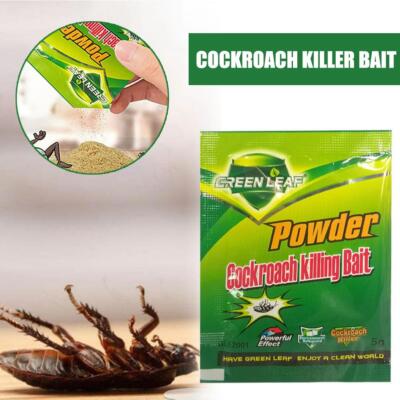
A resurgence at three weeks and a resurgence at three months are different problems. The six causes of reinfesta...

Found roaches tonight? The first 48 hours decide whether your treatment works. Hour one containment, the after-d...
Your anonymous feedback helps us improve our educational home defense resources.