
Roach Control for Multi-Unit Buildings: A Landlord Treatment Plan
Treating one flat in a connected block fails predictably. How to survey across unit boundaries, quantify a build...

Miami’s tropical climate and heavy summer rainstorms trigger immense palmetto bug pressure. In dense high-rise areas like Brickell and Downtown Miami, these massive flying pests (Periplaneta americana) migrate upwards through shared building voids and HVAC ducts into premium condo units. For rented and multi-unit settings, see whether roaches are the landlord or tenant responsibility alongside this plan.
Modern luxury condos are connected by shared air conditioning shafts, utility ducts, and plumbing corridors. As heavy rains flood subterranean drainage, palmetto bugs travel up the vertical shafts of Brickell towers, entering individual units through AC vent registers. Standard liquid sprays applied to floor baseboards fail to block these high-level aerial invasions.
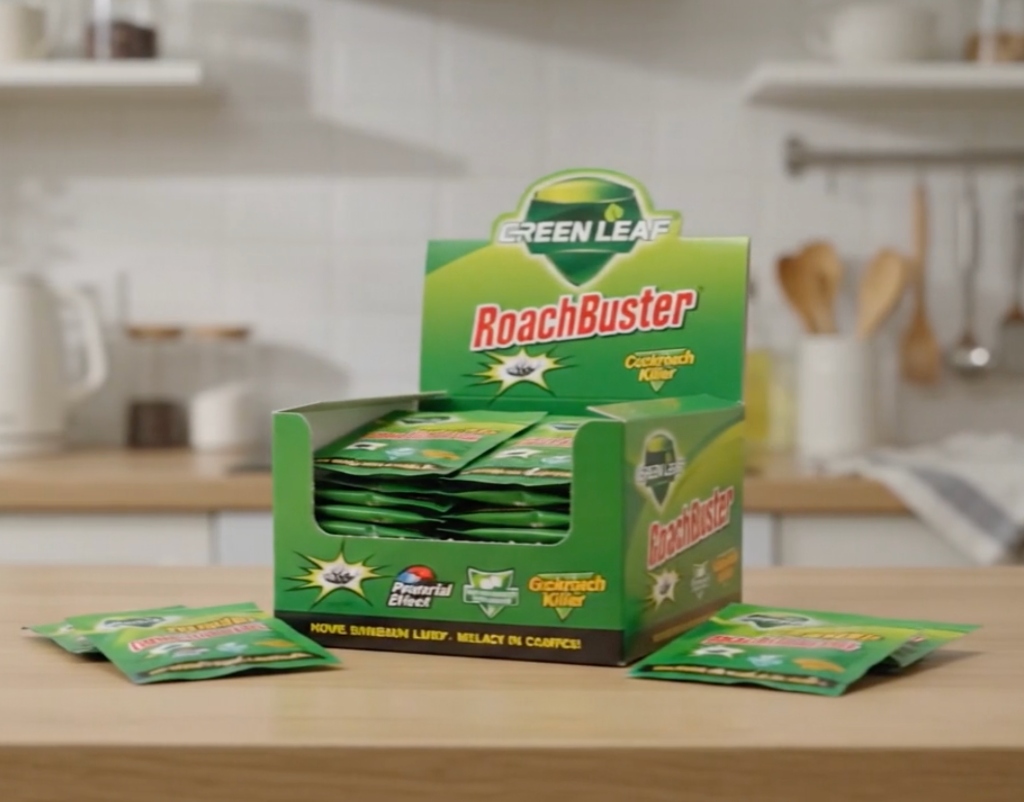
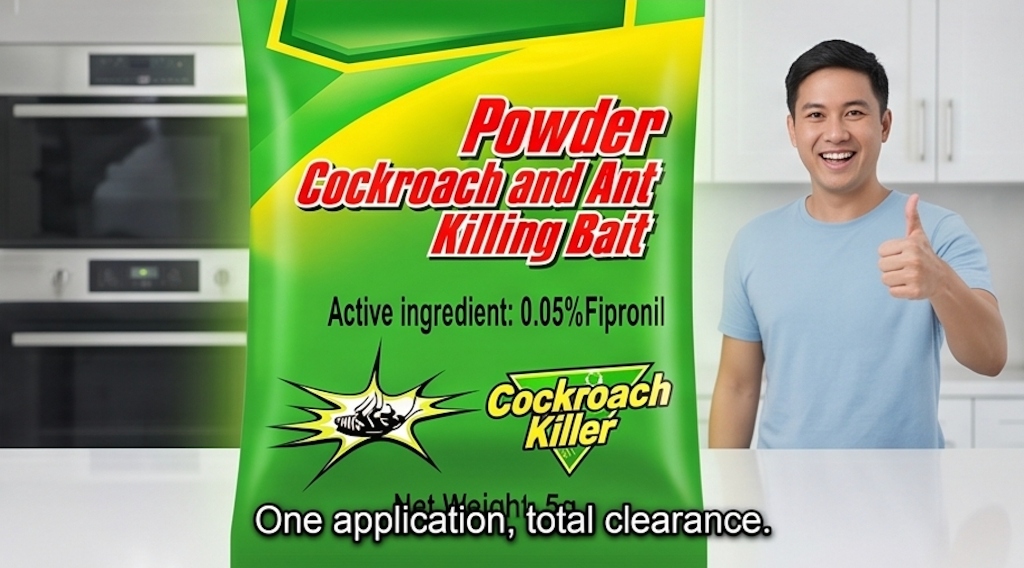
To secure your luxury high-rise condo without introducing chemical fumes or messy gels, deploy the **RoachBuster sachet method**:
A Brickell tower is not a stack of independent homes. It is one structure with continuous plumbing risers, continuous electrical and data chases, pressurised corridors, shared garbage chutes and a parking podium at the bottom. Every one of those is a continuous pathway from the ground floor to the penthouse, which is why residents on the twentieth floor are genuinely surprised to find large roaches in a bathroom. They did not fly up. They walked up inside a chase, or rode up in a delivery box, or came out of the garbage chute room on their own floor.
The practical implication is that unit-level cleanliness has less influence on your risk than the condition of the building services on your floor. A resident can still cut their own risk substantially, but only by treating the entry points rather than the countertops.
| Zone | Placements | Note |
|---|---|---|
| Kitchen sink cabinet, riser side | 2 to 3 | Directly at pipe penetrations |
| Behind and under fridge | 2 | Compressor recess |
| Dishwasher side gap | 1 to 2 | Dry, flat position |
| Each bathroom vanity | 2 | Rear corners at pipe entries |
| Laundry closet | 2 | Behind stacked units |
| Suite entry threshold | 1 to 2 | Corner positions, corridor side of the mat line |
| Electrical or intercom enclosure surround | 1 | Outside the enclosure, not inside it |
| Balcony slider threshold, inside | 1 | Dry, sheltered corner |
Eleven to fifteen placements for a typical two-bedroom Brickell condo. The coverage guide explains the arithmetic; the multi-unit plan covers how to raise a stack-wide issue with a building without it turning into a standoff.
In a Florida condominium, the interior of your unit is your responsibility and the building services are generally the association responsibility, with the exact boundary set out in the declaration. Reporting in writing to management, describing the location precisely, and asking specifically whether the stack and the floor garbage room are on a treatment schedule tends to get a far better response than a general complaint. If several units on a floor report at once, treatment of the shared spaces usually follows quickly, because the association has an obvious exposure. Keep copies of everything.
Cockroaches are nocturnal and thigmotactic, meaning they prefer tight contact with surfaces in darkness. Daytime sightings in an otherwise quiet unit usually indicate a larger population being pushed out of harbourage by crowding.
Large, slow, single insects in bathrooms are usually American cockroaches arriving via plumbing and chases. Small, fast, light brown insects in kitchens indicate a breeding German cockroach population, which needs denser placement inside cabinets and appliances.
A unit can protect itself substantially with door sweeps and placements at riser penetrations. It cannot clear a stack. Building involvement is what ends recurrence, as covered in our reinfestation guide.
Usually not, but many will treat shared spaces and risers at no cost to the resident when a documented pattern is reported. Ask specifically about the chute room on your floor.
In a Brickell high-rise the risers, the chute room and the corridor door gap decide your risk. Fit a door sweep, put eleven to fifteen placements at plumbing and service penetrations, never open cardboard inside the unit, and report to management in writing so the shared spaces get scheduled. A single box covers a two-bedroom condo for a full year of monthly checks, with a 30-day money-back guarantee.
Always use any bait product as directed on its label, and keep placements out of reach of children and pets. This is general operational guidance, not legal or regulatory advice; licensing standards and inspection criteria vary by jurisdiction.
Block HVAC and plumbing migrations. Protect your Miami high-rise with RoachBuster’s 100% odorless dry active sachets.
Free shipping, secure Stripe checkout, and a 30-day money-back guarantee.
Next steps: the building-wide plan for multi-unit properties, why roaches come back after treatment, and how many sachets a full round actually takes.
Treating an active infestation? One box treats one room, once. The 3-Box Kit — $120 (150 sachets, save $59.97) covers a full apartment through the complete 3-4 week treatment cycle; a $47 single box (50 sachets) covers a single-room problem. Ships within 1 business day, typical delivery 6-10 days · Free tracked shipping · 30-day money-back guarantee.
Choose your kit →
Treating one flat in a connected block fails predictably. How to survey across unit boundaries, quantify a build...
Student housing concentrates every risk factor for roaches. What to check on move-in, how to report properly, ho...
How infestations travel on moving day, how to inspect a new home before you sign, packing rules for cardboard an...
Your anonymous feedback helps us improve our educational home defense resources.