
Is Your Roach Treatment Working: Signs of Progress and Stalling
Live sightings are the worst measure of progress. How to read fresh droppings, dead insects and trap catch rates...
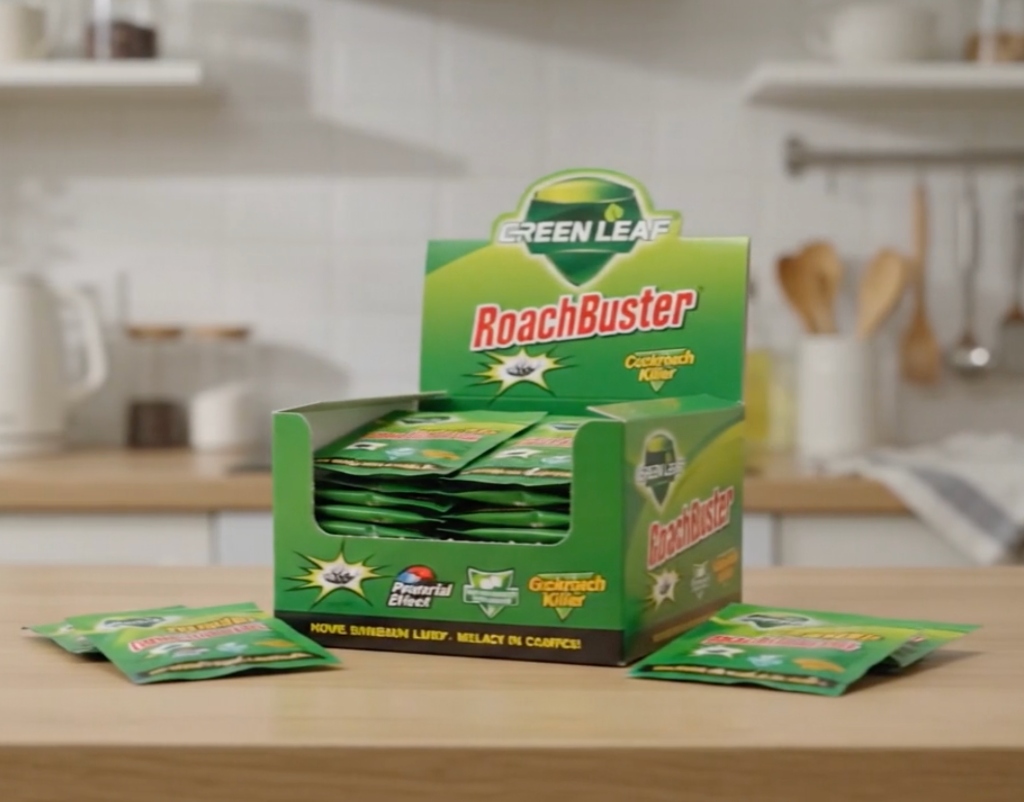
Cockroaches are highly thermotactic and thigmotactic, meaning they seek out tight, warm, and highly humid spaces to harbor and breed. In modern households, this behavioral drive directs them directly into your kitchen and laundry appliances. Finding cockroaches nesting behind your refrigerator coils, inside your dishwasher panel, or under your microwave display boards is one of the most high-stress discoveries a homeowner can make. Finding the harborage is half the job — our guide to finding a roach nest in 48 hours shows exactly where to look first.
Kitchen appliances provide pests with a perfect trifecta: constant warmth (from motors and compressors), easy moisture (from sink drains, dishwashers, and ice-makers), and dark, undisturbed shelter. The small electronic panels and compressor bays inside appliances act as secure breeding zones, allowing colonies to multiply rapidly behind the scenes before emerging onto your countertops at night.
Treating high-tech appliances with standard pest control tools is exceptionally difficult. Runny liquid chemical sprays and sticky gel baits are highly conductive and can cause immediate electrical short circuits, permanently damaging delicate microwave circuits or refrigerator control modules. Furthermore, spraying volatile chemical liquids into dishwasher areas or near food-prep appliances poses serious household contamination hazards.
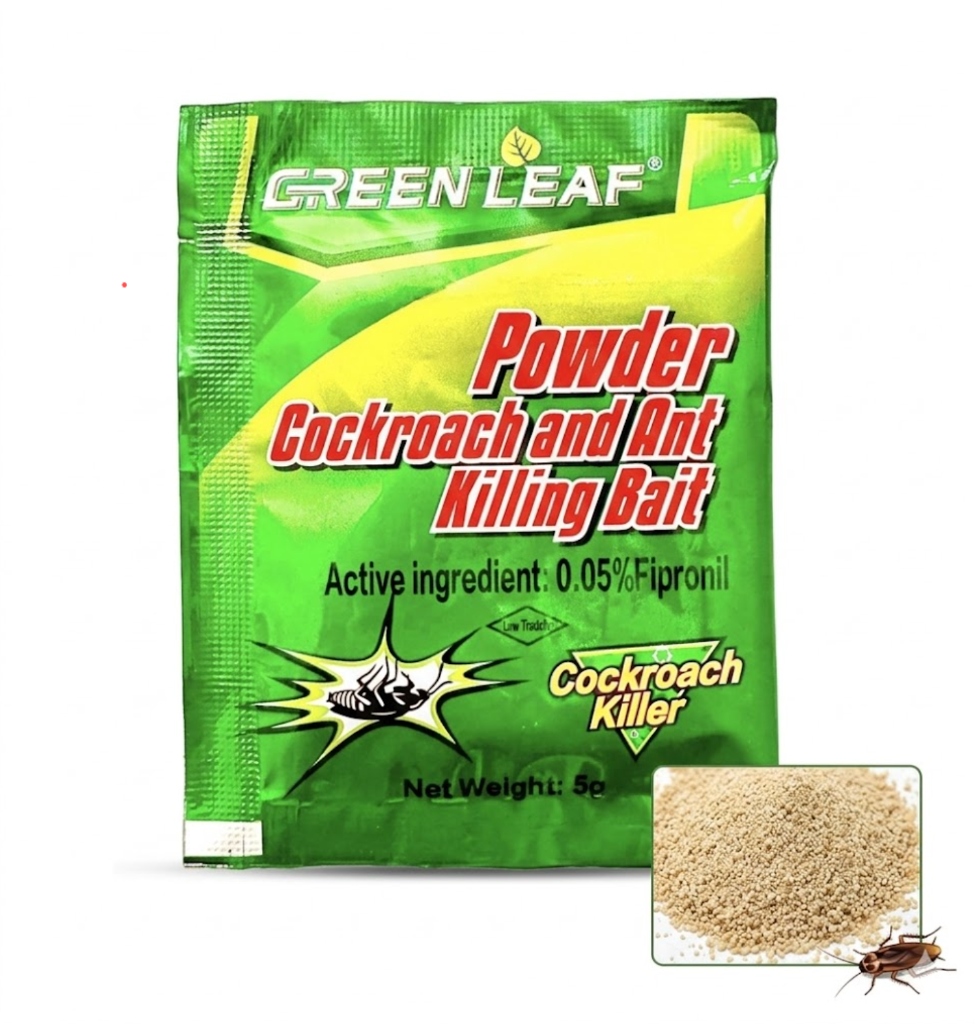
Eradicating appliance-nesting cockroaches requires a completely dry, non-conductive, self-contained solution. RoachBuster’s dry powder sachet format is the safest and most effective method for securing electronic zones. The active powder remains dry and securely trapped inside the specialized paper sachet, eliminating all electrical and spill risks.
To treat, simply slip the dry sachets into the dry, narrow voids surrounding your appliances—such as the floor gap under your dishwasher, behind your refrigerator compressor coils, and inside cabinet crevices adjacent to your microwave. RoachBuster’s high-attractant food matrix draws cockroaches out of their nesting zones to consume the bait, cleanly eliminating the pest cycle at the source without leaving unsightly smears or damaging your expensive kitchen assets.
Appliances are also the most common way a population changes address, which is why our moving-day checklist treats them as a priority before anything is packed.
Utility rooms deserve the same treatment and are often the real nest site. See roaches in the laundry room for the washer and dryer cavities most people never open.
Next steps: how many sachets a full round actually takes, how to tell whether a treatment is working, and why roaches come back after treatment.
Kitchens contain a dozen appliances with completely different constructions, and generic advice fails because the right action depends on three properties: whether the cavity can be accessed safely, whether it holds water, and whether it contacts food. Run any appliance through those three questions and the correct approach falls out immediately.
| Access | Water present | Food contact | Approach |
|---|---|---|---|
| Openable, e.g. rear panel or kickplate | Yes | No | Isolate, vacuum, dry, place adjacent |
| Openable | No | No | Isolate, vacuum, place adjacent |
| Openable | No | Yes, interior | Clean interior normally; treat exterior cavity only |
| Sealed | Either | No | Do not open; place around, technician if persistent |
| Sealed | Either | Yes | Clean accessible surfaces; place around only |
| Portable | Either | Yes | Lift, tilt, vacuum base, place behind on the worktop |
Total placements for a full kitchen and utility run at roughly fifteen to twenty-five depending on size, which is set out in our coverage arithmetic guide. If you found evidence for the first time today, our first 48 hours plan gives you the wider sequence.
The refrigerator, followed by the dishwasher and the kitchen plinth void. Countertop appliances are common but usually secondary.
No. Work through the list over two or three evenings. Placing as you go means the treatment starts on the first evening.
It is the wrong tool here. Repellent products scatter a concentrated population into adjoining voids and cannot be used safely near electrics; our method comparison explains the difference.
Placements stop being consumed, droppings stop reappearing between monthly checks, and overnight monitors stay clean. Our progress guide covers the signals in detail.
Judge each appliance on access, water and food contact, then follow the matching approach. Do the fridge regardless of where you saw insects, work through dishwasher, plinth, oven, extractor, countertop and utility appliances, place as you go, and never put anything inside an enclosure. One box of fifty sachets covers a full kitchen and utility programme, with a 30-day money-back guarantee.
Always use any bait product as directed on its label, and keep placements out of reach of children and pets. Isolate power before working near any appliance, never introduce liquid into an enclosure, and use a qualified technician for anything sealed.
Treating an active infestation? One box treats one room, once. The 3-Box Kit — $120 (150 sachets, save $59.97) covers a full apartment through the complete 3-4 week treatment cycle; a $47 single box (50 sachets) covers a single-room problem. Ships within 1 business day, typical delivery 6-10 days · Free tracked shipping · 30-day money-back guarantee.
Choose your kit →
Live sightings are the worst measure of progress. How to read fresh droppings, dead insects and trap catch rates...

Found roaches tonight? The first 48 hours decide whether your treatment works. Hour one containment, the after-d...
Coverage is about cavities, not square footage. Room-by-room sachet counts, realistic totals for studios through...
Your anonymous feedback helps us improve our educational home defense resources.