
Roach Control for Multi-Unit Buildings: A Landlord Treatment Plan
Treating one flat in a connected block fails predictably. How to survey across unit boundaries, quantify a build...

One guest photographing one insect in a kitchen drawer can cost a short-let host a year of ranking. Pest mentions are unusually damaging in hospitality reviews because they are specific, they are visual, they are permanent, and they change how every subsequent guest reads the rest of your listing. The defensible position is not luck. It is a turnover routine that treats pest prevention as a standard checklist item, the same way linen and smoke alarms are. If you are working against a deadline, see how long roach treatment takes by method, and the 21-day treatment plan for the full sequence.
Short-let properties combine several risk factors that a normal home does not. Luggage arrives from other properties every few days. Guests leave food in cupboards, bins unemptied and dishes overnight. The property sits empty and undisturbed between stays, which is exactly the condition an establishing population wants. Many units sit in buildings with shared risers and neighbouring occupants you have no control over. And nobody is present to notice the first signs.
The result is that problems are usually discovered by a guest rather than by the host, which is the worst possible order. A routine that inspects for evidence rather than waiting for a sighting inverts that.
This is the highest-value habit available to a host, and it fits inside an existing cleaning slot. The cleaner needs a torch and a written checklist.
What you are looking for is evidence, not insects: dark peppercorn-like specks, shed skins, papery egg cases, or a faint musty smell in an enclosed cupboard. The droppings identification guide shows what confirms an established population and how to clean it safely without putting particles into the air.
Because the property is unoccupied and unobserved for stretches, permanent placements in the enclosed voids are the sensible baseline rather than a response to a problem. Keep them out of sight and out of reach: rear of base cabinets behind stored items, appliance cavities, washer plinths, behind vanity panels. Never on a food preparation surface, never anywhere a child could reach, and never anywhere that gets wet.
A contained dry format suits hospitality specifically because there is nothing airborne, nothing on the surfaces guests touch, no smell for a guest to notice or complain about, and placements lift out whole if you want the property completely clear for a photoshoot or an inspection. The reasoning is set out in the guide to odour-free options.
For quantity, count cavities rather than rooms. A one-bedroom unit generally needs eighteen to twenty-six placements for a proper first round, and hosts running several units find that bundle quantities are simply the correct order size. The room-by-room coverage math gives the working figures.
Speed and specificity are what protect the review. Vague reassurance reads as dismissal, and dismissal is what turns a private message into a public review.
| Timeframe | Action | Effect on the review |
|---|---|---|
| Within the hour | Acknowledge, apologise plainly, ask for a photo | Guest feels heard rather than managed |
| Same day | Offer the concrete remedy: clean, treat, or relocate | Demonstrates competence, not excuses |
| Same day | Send a cleaner or attend in person | Physical response outweighs any message |
| Before checkout | Confirm what was done and what is scheduled | Gives the guest something factual to write |
| After checkout | Follow up with the completed treatment record | Often converts a warning into a fair review |
Two things to avoid. Do not argue about whether the insect came in with their luggage, even if it did. And do not fog the property between stays as a panic measure: it settles on every surface a guest will touch, requires a full clean afterwards, misses the voids entirely, and leaves a chemical smell that generates its own complaint. The comparison of powder, spray and foggers explains why.
In apartment buildings the source is frequently outside your unit. You cannot treat a neighbour, but you can make your unit a poor destination.
Do not advertise the problem, but do build the habits that prevent it. A short house-manual line asking guests to keep food sealed and put bins out has a measurable effect and reads as good housekeeping rather than a warning. Keep bins with lids, provide sealed containers for dry goods, and make the bin location obvious. Most guest-caused risk is simply food left out for four days.
A contained sachet placed at the rear of a cabinet behind stored items is not visible in normal use, has no smell, and lifts out whole if you want the property completely clear.
In an apartment building with shared voids, yes. Prevention at the penetrations is far cheaper than a pest mention in a review.
Not necessarily. A single sighting with no droppings, skins or smell may be a hitchhiker. A sighting plus any of that evidence means an established population. Either way the response to the guest is the same.
Respond factually and briefly: acknowledge, state what was done and when, and stop. A calm, specific response reassures future readers far more than a rebuttal does.
Recurrence inside a month is usually the egg hatch and needs a top-up round. Later than that points to an untreated void or an external source. The guide to reinfestation works through the causes in order.
Treat pest prevention as a standard turnover task, not an emergency response. Four minutes of torch inspection at every changeover, permanent placements in the enclosed voids, sealed penetrations, bins and dry goods under control, and a same-day concrete response if a guest reports anything. Never fog between stays. Keep a log, because a completed treatment record is what turns a bad review into a fair one. Always use products as directed on the label, and keep placements away from children and pets.
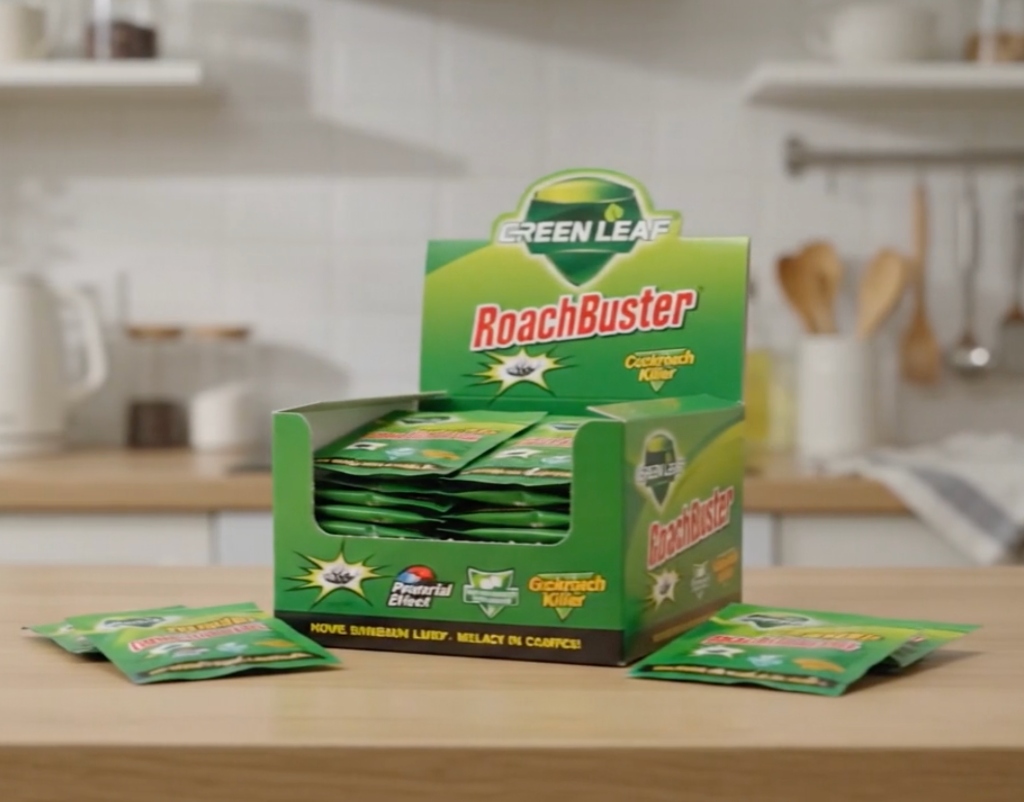
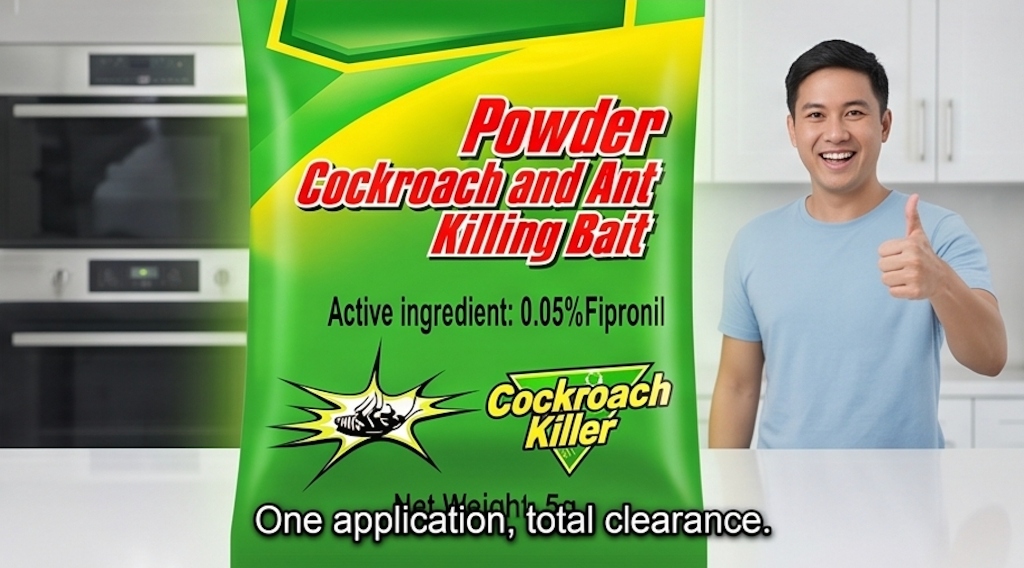
Maintain a 5-star standard. Protect guests and reviews with RoachBuster’s discrete, odorless dry active sachet system.
Free shipping, secure Stripe checkout, and a 30-day money-back guarantee.
Next steps: the building-wide plan for multi-unit properties, how many sachets a full round actually takes, and how to tell whether a treatment is working.
Treating an active infestation? One box treats one room, once. The 3-Box Kit — $120 (150 sachets, save $59.97) covers a full apartment through the complete 3-4 week treatment cycle; a $47 single box (50 sachets) covers a single-room problem. Ships within 1 business day, typical delivery 6-10 days · Free tracked shipping · 30-day money-back guarantee.
Choose your kit →

Treating one flat in a connected block fails predictably. How to survey across unit boundaries, quantify a build...
Student housing concentrates every risk factor for roaches. What to check on move-in, how to report properly, ho...
How infestations travel on moving day, how to inspect a new home before you sign, packing rules for cardboard an...
Your anonymous feedback helps us improve our educational home defense resources.