
Roach Control for Multi-Unit Buildings: A Landlord Treatment Plan
Treating one flat in a connected block fails predictably. How to survey across unit boundaries, quantify a build...
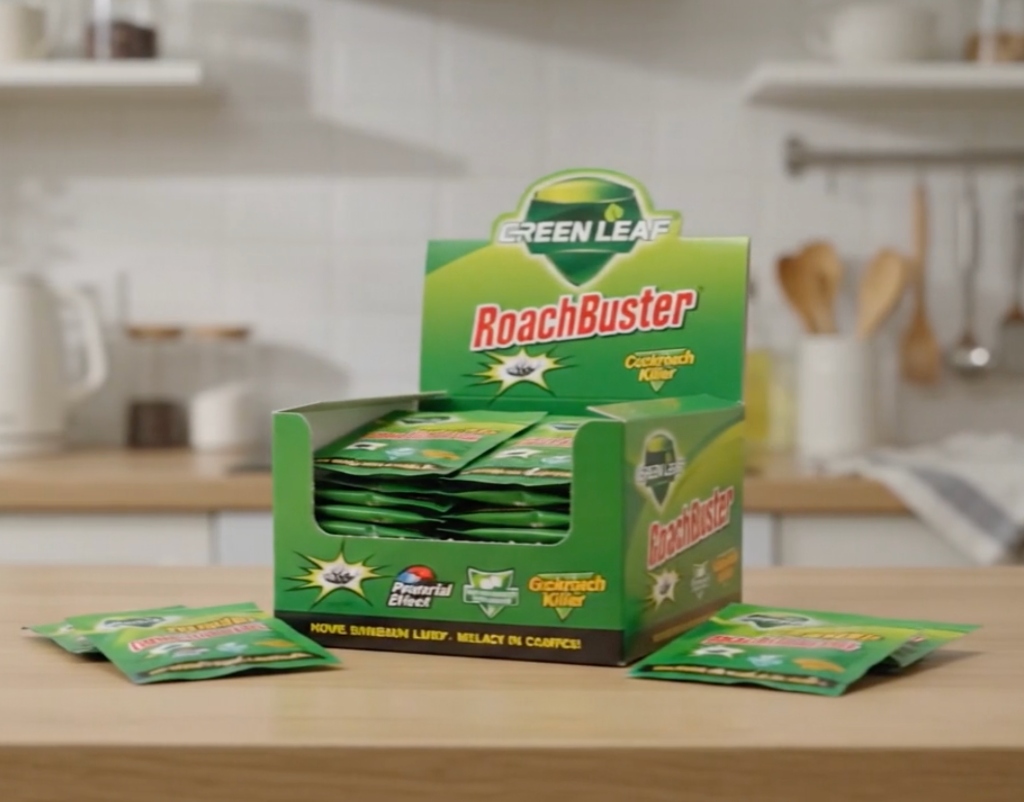
If you have a cockroach problem in your kitchen, there is a very high probability that the primary nesting center is located directly beneath or behind your refrigerator. Refrigerator compressor voids are the number-one pest hotspot in residential kitchens, offering constant warmth from the motor, nearby water from the condensation defrost pan, and dark, undisturbed concealment. For the full clearance sequence after identification, follow the 21-day German roach infestation treatment plan.
Applying sticky gel baits to clear refrigerator nests is notoriously ineffective. Refrigerator motors run hot, generating a constant flow of warm air around the compressor coils. This heat rapidly dries out standard wet gel baits within 48 hours, turning them into hard, unappeetizing plastic beads that pests ignore. Furthermore, the heat can cause low-viscosity gels to melt and run, potentially dripping into electronic relay switches or creating sticky, hard-to-clean smears on your kitchen floor.
Clearing a refrigerator nest requires a dry, heat-resistant bait format. Follow these three steps to secure the area:
Next steps: how many sachets a full round actually takes, how to tell whether a treatment is working, and why roaches come back after treatment.
Before you plan anything, work out which situation you are in, because the response is different. If the compressor bay holds droppings, shed skins and egg cases while the rest of the kitchen is largely clean, the fridge is the source and a targeted round plus a clean-out will resolve it. If you find droppings in the fridge bay and also in the under-sink cabinet, the plinth void and the dishwasher gap, the fridge is one harbourage among several and treating it alone will not move the needle. A five-minute torch check of three other locations before you start saves a wasted week.
| Type | Extra weak point | What to do differently |
|---|---|---|
| Freestanding with rear coil | Exposed coil dust blanket | Vacuum coil twice a year, place at bay edge |
| Freestanding with base coil and fan | Fan-cooled bay pulls in debris continuously | Vacuum from the front kickplate as well as the rear |
| Integrated or built-in | No access without removing the housing panel | Place at the plinth and cabinet floor; book a technician if activity persists |
| American style with ice and water | Plumbed water line and a second drain path | Check for a slow leak at the connection; a permanent damp patch is the real problem |
| Under-counter fridge | Compressor recess boxed in by cabinetry | Treat as part of the cabinet plinth void |
| Chest freezer in garage or utility | Rarely moved, often on a damp floor | Raise on blocks, keep the floor dry, place adjacent |
| Apartment alcove fridge | Enclosed alcove restricts airflow and traps heat | Improve air gap; alcove corners need placements too |
A clean condenser coil measurably reduces energy consumption, so this schedule pays for itself independently of the pest benefit. It is one of the few maintenance tasks with two unrelated payoffs.
Three changes make the location far less attractive without any product at all. Leave a proper air gap behind and above the appliance so the bay runs cooler and drier. Keep the condensate tray clean so there is no standing water. And stop storing anything on top of or immediately beside the fridge, particularly bread, cereal, pet treats and fruit, because the warm zone above a fridge accelerates spoilage and creates a food source right next to the harbourage. Combine that with a maintained placement at the bay edge and the fridge stops being the reliable refuge it was. If activity keeps returning across the whole kitchen rather than just the fridge, the cause is usually elsewhere and our recurrence guide covers the likely explanations.
Brush and vacuum together. Brushing alone redistributes the dust and the debris into the room, including egg cases.
Some warmth at the sides and rear is normal. Excessive heat usually means a dirty coil or restricted airflow, both of which also make the location more attractive to insects.
Two: one at the outer edge of the compressor bay and one on the dry floor beneath or behind. Whole-kitchen counts are in our coverage arithmetic guide.
Never. Nothing goes inside a food storage compartment.
First decide whether the fridge is the source or one harbourage among several. Match the approach to the fridge type, run a monthly, quarterly and twice-yearly maintenance rhythm that also lowers running cost, leave a real air gap, keep the tray clean, stop storing food on top, and call a technician when the harbourage is behind a sealed section. One box covers the fridge and the rest of the kitchen, with a 30-day money-back guarantee.
Always use any bait product as directed on its label, and keep placements out of reach of children and pets. Isolate power before working near any appliance, never introduce liquid into an enclosure, and use a qualified technician for anything sealed.
Treating an active infestation? One box treats one room, once. The 3-Box Kit — $120 (150 sachets, save $59.97) covers a full apartment through the complete 3-4 week treatment cycle; a $47 single box (50 sachets) covers a single-room problem. Ships within 1 business day, typical delivery 6-10 days · Free tracked shipping · 30-day money-back guarantee.
Choose your kit →

Treating one flat in a connected block fails predictably. How to survey across unit boundaries, quantify a build...
A resurgence at three weeks and a resurgence at three months are different problems. The six causes of reinfesta...

Found roaches tonight? The first 48 hours decide whether your treatment works. Hour one containment, the after-d...
Your anonymous feedback helps us improve our educational home defense resources.