
Roach Control for Multi-Unit Buildings: A Landlord Treatment Plan
Treating one flat in a connected block fails predictably. How to survey across unit boundaries, quantify a build...
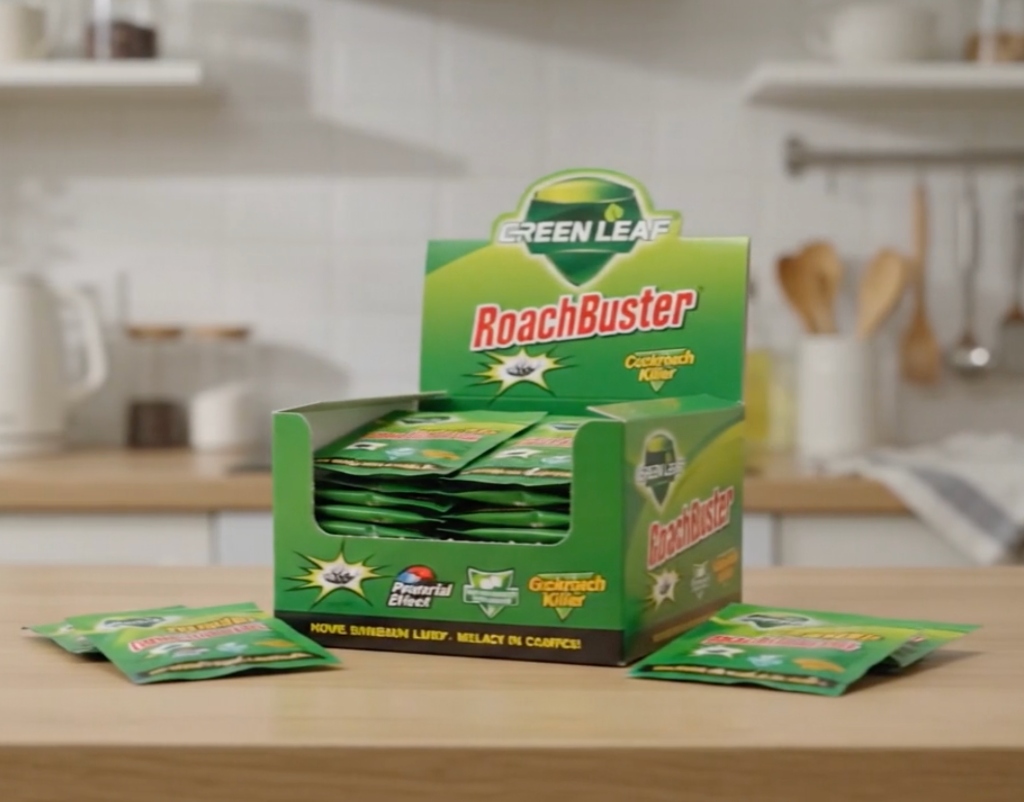
If you have a cockroach problem in your kitchen, there is a very high probability that the primary nesting center is located directly beneath or behind your refrigerator. Refrigerator compressor voids are the number-one pest hotspot in residential kitchens, offering constant warmth from the motor, nearby water from the condensation defrost pan, and dark, undisturbed concealment. Once you know what you are dealing with, the 21-day German roach treatment plan lays out the full clearance sequence, and our guide to finding the nest in 48 hours shows where to start.
Applying sticky gel baits to clear refrigerator nests is notoriously ineffective. Refrigerator motors run hot, generating a constant flow of warm air around the compressor coils. This heat rapidly dries out standard wet gel baits within 48 hours, turning them into hard, unappeetizing plastic beads that pests ignore. Furthermore, the heat can cause low-viscosity gels to melt and run, potentially dripping into electronic relay switches or creating sticky, hard-to-clean smears on your kitchen floor.
Clearing a refrigerator nest requires a dry, heat-resistant bait format. Follow these three steps to secure the area:
Next steps: how many sachets a full round actually takes, how to tell whether a treatment is working, and why roaches come back after treatment.
A refrigerator runs continuously, which makes its compressor bay the most thermally stable warm space in the building. The condenser coil behind or beneath it collects a thick blanket of dust that functions as both insulation and food. The condensate evaporation tray sits directly above or beside the compressor and holds water permanently. The door gasket channel accumulates organic residue. And the whole assembly is enclosed by a rear panel that most households never remove in the life of the appliance. There is no other single location in a normal home that offers heat, water, food and total seclusion in one place.
That is why a kitchen treatment that skips the fridge frequently stalls, and why fridge placements are among the first to be consumed when you run a proper round.
| Finding | What it indicates | Action |
|---|---|---|
| Dust blanket only | No current activity | Vacuum and place preventively |
| Scattered droppings on the coil | Active use as a travel route | Vacuum, place, re-check at 14 days |
| Droppings plus shed skins | Established breeding population | Full kitchen round, dense placement |
| Egg cases glued in the bay | Second wave due in 4 to 6 weeks | Remove cases, keep placements through week 6 |
| Standing water in the tray plus activity | Primary water source found | Clean tray, fix any drain blockage |
| Dead insects in the tray | Population has been present for some time | Full clean plus whole-kitchen assessment |
If you find shed skins or egg cases, treat it as a kitchen-wide problem rather than a fridge problem, using the counts in our coverage arithmetic guide and, if it is a new discovery, the sequence in our first 48 hours plan.
Place on a dry, flat surface at the outer edge of the bay, clear of moving parts, the fan path, electrical connections and the tray, and follow the product label. Never inside a sealed compartment.
Twice a year for pest prevention and appliance efficiency. Households with pets should do it more often because hair accelerates the dust blanket.
Not usually necessary. Leaving a proper air gap behind it and keeping the coil clean achieves more than relocation.
Yes, and they are often worse because they are moved even less. Treat them identically.
The fridge combines heat, water, food and seclusion in one place. Unplug, roll it out, inspect before cleaning, vacuum the coil and bay, wash the condensate tray, clean the gasket channel, then place two dry sachets at the bay edge and on the floor beneath. Repeat twice a year. One box covers the fridge and the whole kitchen, with a 30-day money-back guarantee.
Always use any bait product as directed on its label, and keep placements out of reach of children and pets. Isolate power before working near electronics, never introduce liquid or aerosol into an enclosure, and use a qualified technician for anything sealed or under warranty.
Treating an active infestation? One box treats one room, once. The 3-Box Kit — $120 (150 sachets, save $59.97) covers a full apartment through the complete 3-4 week treatment cycle; a $47 single box (50 sachets) covers a single-room problem. Ships within 1 business day, typical delivery 6-10 days · Free tracked shipping · 30-day money-back guarantee.
Choose your kit →

Treating one flat in a connected block fails predictably. How to survey across unit boundaries, quantify a build...
A resurgence at three weeks and a resurgence at three months are different problems. The six causes of reinfesta...

Found roaches tonight? The first 48 hours decide whether your treatment works. Hour one containment, the after-d...
Your anonymous feedback helps us improve our educational home defense resources.