🛡 30-Day Money-Back Guarantee  |  🚚 FREE Tracked Shipping — ships within 1 business day  |  ⭐ 4.5/5 Stars  |  🌿 100% Eco-Friendly
ORDER NOW — Free Tracked Shipping →

Tag: roach smell

  • Real Estate Open House Prep: Eradicating Musty Roach Smells Before Showings

    Real Estate Open House Prep: Eradicating Musty Roach Smells Before Showings

    A musty, oily smell in a hallway is one of the few things that will end a showing before it starts, and buyers rarely say what put them off. They just do not come back. The smell people describe as damp cardboard, stale grease or “old building” is frequently a cockroach odour, and it is produced by the population rather than by any one insect, which is why air freshener does nothing and why it returns within hours of being masked. Clearing it before a marketing campaign is a fortnight of work, not an afternoon. For rented and multi-unit settings, see whether roaches are the landlord or tenant responsibility alongside this plan.

    What the smell actually is, and why masking fails

    The odour is generated continuously by an established population: secretions, shed skins, droppings and dead insects accumulating inside voids you cannot see into. Because the source is continuous and enclosed, anything applied to room air is diluted and gone within hours while the source keeps producing.

    That is why the standard pre-listing playbook backfires. Plug-in diffusers, scented candles and heavy cleaning products layer a strong fragrance over a musty base note, and the combination reads to buyers as concealment. A faint musty smell raises a question. A strong floral smell over a musty base answers it.

    Locating the source in a property you may not live in

    Vacant and staged properties are harder to assess because there is no daily activity to notice. Work systematically rather than by nose alone.

    1. Check when the property is closed and warm. Arrive after the property has been shut for a few hours. Odour concentrates in still air, and an open-window walkthrough will tell you nothing.
    2. Work the enclosed voids in order: under-sink cabinets, the void behind and beneath the fridge, the gap beside the dishwasher, the oven kick plate, bathroom vanities, behind toilets, washing machine plinths, and any cupboard housing a boiler, meter or riser panel.
    3. Look for evidence, not insects. Dark peppercorn-like speckling, shed skins, papery egg cases and a greasy film on cabinet interiors all confirm an established population even with nothing moving. The droppings identification guide covers what you are looking at and how to clean it safely.
    4. Set sticky traps for two nights in every suspect void before you commit to a treatment plan. In an empty property this is the only reliable way to know which rooms are in use. The trap mapping method explains placement and how to read the catch.
    5. Check the water. A slow trap leak, condensation behind an appliance or a failed seal under a shower tray is usually the reason a population established in the first place.

    The pre-listing timeline that actually works

    If a campaign is three to four weeks out, there is time to fix this properly. If the first open house is on Saturday, be realistic: you can reduce the smell, but you cannot clear a population in four days.

    WhenWhat happensWhy this order
    Week 0, days 1–2Trap survey, fix leaks, remove food sources and cardboardRemoves what sustains the population
    Week 0, days 3–4Place bait in every void identified, count cavities firstOne complete round, not a partial one
    Week 1Deep clean everything except treated voids; degrease behind cookerRemoves accumulated residue that carries odour
    Week 2Ventilate hard, run extraction, keep property dryOdour clears once the source stops producing
    Week 3Top-up placements where fresh droppings persistEggs laid before treatment hatch on their own schedule
    Week 3–4Seal gaps, then begin showingsNothing to smell, nothing to find, nothing to disclose badly

    The reason the deep clean comes after the treatment, not before, is that scrubbing out a void removes both the evidence you need and the placement you just made. Clean the surfaces buyers will see; leave the treated cavities alone until the round is finished. The guide to judging whether a treatment is working explains how to track progress without disturbing it, and the week-by-week timeline sets the expectation on pace.

    Working out how much product a property needs

    Count cavities rather than square footage. Each cabinet carcass, appliance void, plumbing chase and plinth is a separate placement, and an empty two-bedroom apartment can easily need thirty to forty placements for a proper first round plus a third of that again for the top-up. The room-by-room coverage math gives working figures. Agents managing several listings at once generally find that buying at bundle quantities is simply the correct order size rather than an upsell.

    What not to do before a showing

    • Do not fog or bomb the property. It settles on every horizontal surface, requires a full clean afterwards, misses the voids entirely, and leaves a chemical smell that reads worse than the musty one.
    • Do not spray the areas you intend to bait. Repellent residue suppresses uptake exactly where you need it. The format comparison covers why.
    • Do not rely on fragrance. Buyers read heavy scent as concealment, and it triggers exactly the question you are trying to avoid.
    • Do not paint over stained cabinet interiors without treating first. Fresh paint plus a live population is a short-lived cosmetic fix.
    • Do not leave cardboard in the property. Packing boxes in a warm cupboard are both a harbourage and a smell source.

    Disclosure, inspections and the practical risk

    An active infestation is the sort of thing a buyer’s inspection may pick up, and a deal that collapses at inspection is considerably more expensive than treating early. Disclosure obligations differ by jurisdiction and by contract, and whether a past, treated infestation is a disclosable matter is not something to guess at. Take advice appropriate to your market; this is general guidance rather than legal or professional advice. The pre-sale inspection guide covers what inspectors typically look at.

    The practical position is straightforward: a documented, completed treatment with dates is a much better story than a smell nobody has explained. Keep the trap survey notes, the treatment log and any repair invoices.

    Frequently asked questions

    How long before the smell actually goes?

    Once the population stops producing, ventilation and cleaning clear the residual odour over days rather than weeks. The limiting factor is the treatment timeline, not the smell itself.

    Can I clear this in a week for a rushed listing?

    You can reduce it significantly by removing food and water sources, deep-cleaning surfaces and ventilating hard. You cannot complete a treatment round in a week, so plan the top-up for after the first showings.

    Is a contained dry format better for a staged property?

    Operationally, yes. There is nothing airborne, no residue on surfaces buyers touch, nothing to clean off staging furniture, and placements lift out whole before a showing if you want them out of sight.

    The property is tenanted and I have limited access. What then?

    Coordinate a single treatment window rather than opportunistic visits, and give proper written notice. The turnover preparation checklist covers the vacancy window, which is the easiest time to do this properly.

    Does a musty smell always mean roaches?

    No. Damp, failed seals, blocked traps and mould all produce musty odours, and more than one can be present. That is why the trap survey matters before you decide what you are treating.

    The short version

    The smell is produced continuously by the population, so masking it never holds. Assess the property closed and warm, trap for two nights, fix the water, place a complete round of bait in every void, deep-clean everything except the treated cavities, ventilate hard, top up at three weeks, seal the gaps, and then start showings. Keep the log. Always use products as directed on the label, and keep placements away from children and pets.

    Secure Your Open Houses Symmetrically

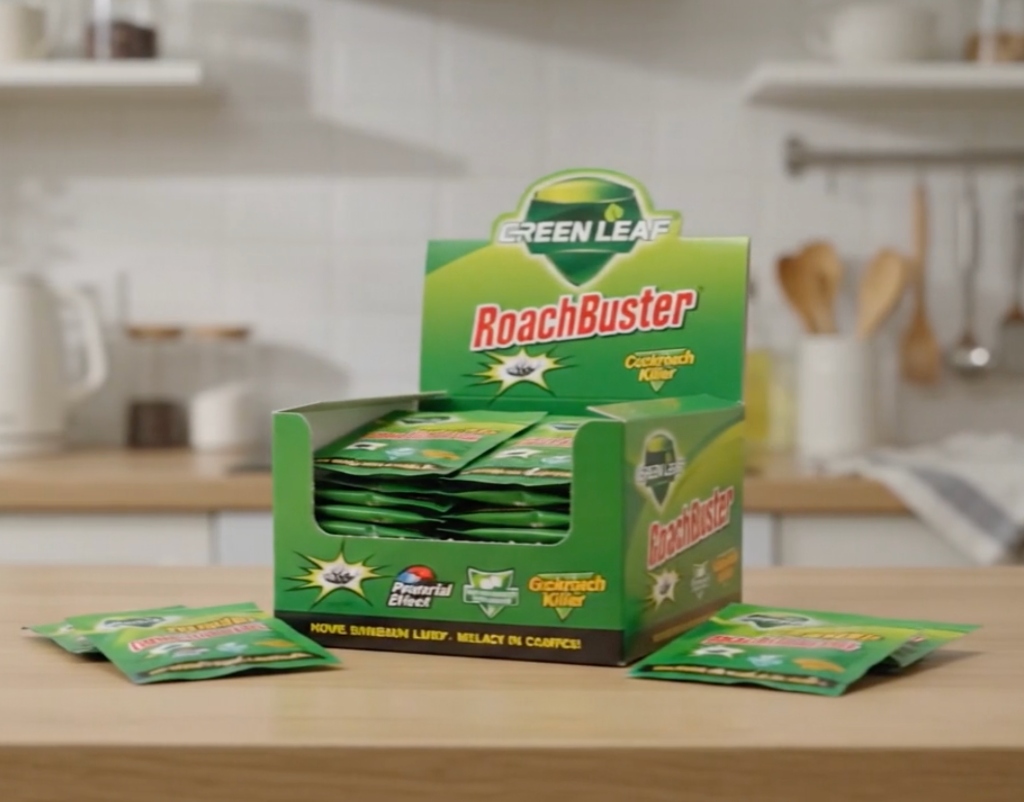
    Eradicate musty aggregation odors safely. Protect listings with RoachBuster’s 100% odorless dry active sachet system.

    Free shipping, secure Stripe checkout, and a 30-day money-back guarantee.

    Next steps: how to tell whether a treatment is working, what to do in the first 48 hours, and why roaches come back after treatment.

    Treating an active infestation? One box treats one room, once. The 3-Box Kit — $120 (150 sachets, save $59.97) covers a full apartment through the complete 3-4 week treatment cycle; a $47 single box (50 sachets) covers a single-room problem. Ships within 1 business day, typical delivery 6-10 days · Free tracked shipping · 30-day money-back guarantee.
    Choose your kit →
  • The Houseguest Anxiety Guide: Getting Rid of Cockroach Odors Fast

    The Houseguest Anxiety Guide: Getting Rid of Cockroach Odors Fast

    Hosting family and friends in your home should be a source of joy and pride. However, if you are dealing with a hidden pest infestation, the fear of a houseguest seeing a crawling bug—or smelling the musty odor associated with them—can trigger intense social anxiety and embarrassment. See which low-mess formats actually perform in our best roach killer powder guide.

    The Anatomy of Cockroach Aggregation Odor

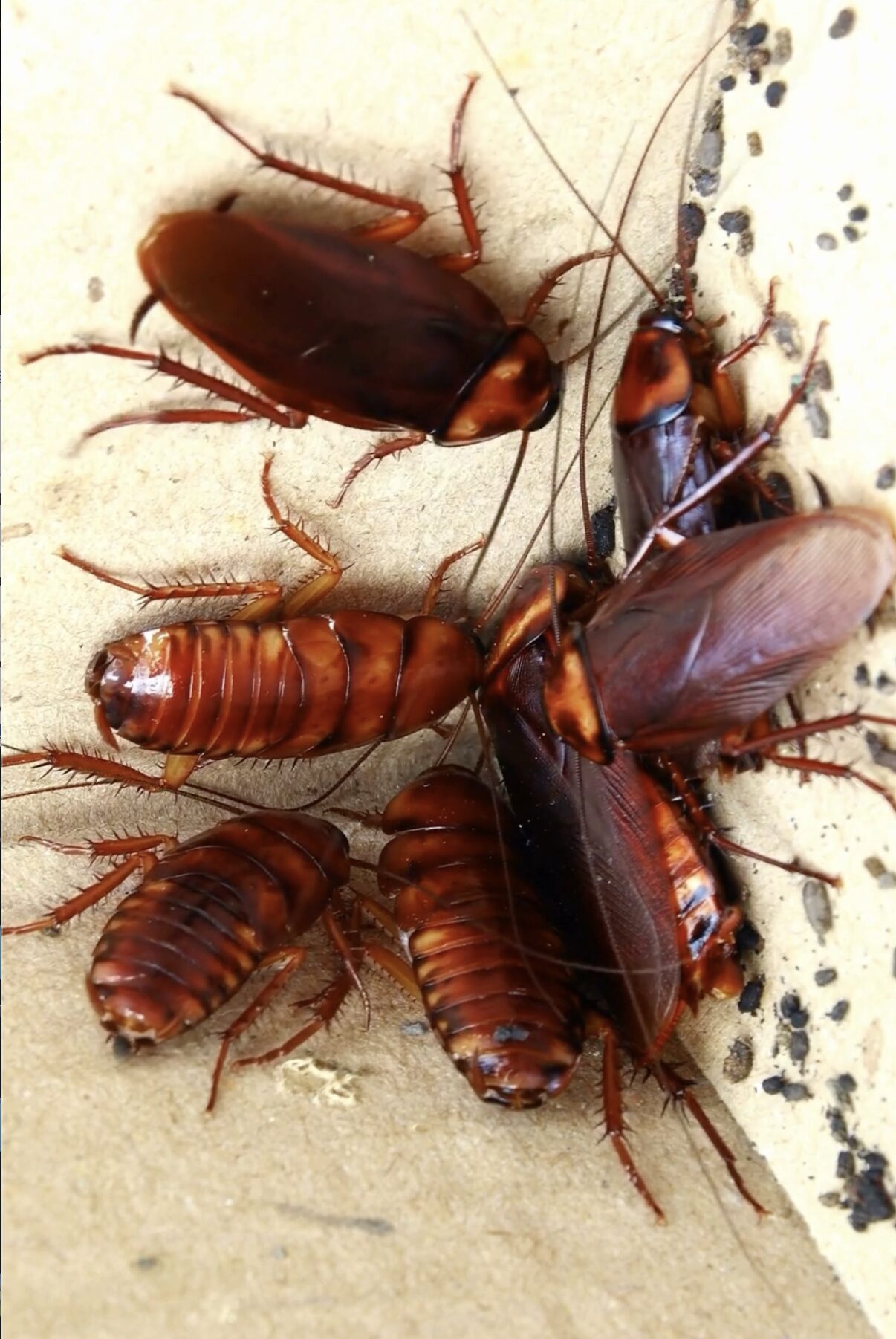
    Cockroaches produce oily, chemical messengers known as “aggregation pheromones” through their scent glands and droppings. These pheromones help individual bugs locate the colony, but they also emit a highly distinct, heavy musty smell. This musty odor clings to kitchen drawers, cabinet linings, bathroom vanities, and baseboards, immediately signaling a hygiene issue to guests.

    Why Scented Aerosol Cover-ups Make it Worse

    Attempting to cover up cockroach musty smells with scented air fresheners, essential oil sprays, or heavy chemical cleaners is highly problematic. The combination of synthetic floral perfume and musty insect pheromones creates a sickly sweet, chemical odor that is highly unpleasant. Aerosol sprays also do not address the active nesting colony behind the wall, leaving the odor source fully active.

    Eradicating the Odor Source Safely and Quietly

    To prepare your home for houseguests without enqueuing messy residues or strong chemical scents, follow this three-step checklist:

    1. Wash Cabinet Linings: Clean drawers and cabinet shelves with warm water and white vinegar to break down aggregation pheromones.
    2. Deploy Odorless Active Sachets: Place RoachBuster dry active sachets behind kitchen cabinets, under bathroom vanities, and along closet baseboards.
    3. Clean, Invisible Extermination: Our dry active sachet is 100% odorless. It quietly attracts and eliminates the nesting population at the source without releasing any volatile chemical odors, ensuring your home smells fresh and remains completely clean for your guests.

    A realistic timeline before guests arrive

    The anxiety about a houseguest noticing a smell is usually worse than the problem, because odour responds faster than the population does. The deposit that produces the smell can be physically removed in an afternoon, whereas the population takes weeks. Knowing which of those two you are working on determines what you should do with the time you have.

    Time availableRealistic goalPriority actions
    48 hoursRemove the smell from accessible surfacesVacuum and detergent-wash affected cabinets, enzyme clean, ventilate, absorbers in place
    One weekSmell gone, population decliningFull placement round first, then the clean, then absorbers
    Two to four weeksSmell gone, population substantially reducedFull round, clean at day three, second inspection at day fourteen
    Six weeks or moreProblem resolvedFull round, clean, top-up at weeks two and four through the hatch window

    The forty-eight hour version

    1. Place bait first, even if you are cleaning immediately after. It costs ten minutes and it starts the only process that reduces the source.
    2. Empty and vacuum the affected cabinets with a crevice tool. Physical removal of droppings, skins and cases removes most of the odour source.
    3. Wash with plain detergent and warm water. Detergent lifts the oily residue that carries the smell. This is the step that does the work.
    4. Enzyme clean porous surfaces. Particleboard, unsealed timber and grout hold residue that detergent leaves behind.
    5. Dry everything thoroughly. Leave doors open with a fan for a couple of hours.
    6. Leave absorbers in the closed cabinets. Bicarbonate of soda or activated charcoal in open containers, out of sight.
    7. Ventilate the room properly for an hour. Then close up and re-check the smell with a fresh nose after being outside for ten minutes.
    8. Refit placements and restock the cabinets last.

    The detail on each cleaning step, surface by surface, is in our guide to planning a full treatment round and the deodorising specifics are covered in our article on eliminating roach smells.

    What guests actually notice, in order

    • Smell in an enclosed space. Under-sink cabinets, a pantry, a bathroom vanity. Open, ventilated rooms rarely register.
    • Air freshener over the top of it. Masking is more noticeable than the original smell and reads as concealment. Do not do it.
    • Visible droppings in a corner or on a shelf lip. Ten seconds with a cloth removes this.
    • A single insect at night in a bathroom. More likely to be an arrival than a sign of infestation, but memorable.
    • Cardboard storage. Guests notice stacked boxes in a utility room and draw conclusions.
    • A sticky trap left in plain view. Move monitors out of sightlines before guests arrive; do not remove them entirely.

    What not to do in a hurry

    • Do not spray. A repellent aerosol scatters the population into other rooms, and the smell of the spray itself is worse than what you were hiding. See our method comparison.
    • Do not use bleach in cabinets. It does not remove the oily residue, it discolours melamine, and the smell lingers.
    • Do not fog the house. Residue on every surface, no effect on voids, and an obvious chemical smell for days.
    • Do not remove your placements to tidy up. Move them out of sightlines instead.
    • Do not deep clean before baiting. The population rebuilds the deposit within days.

    Managing the conversation if someone does notice

    If a guest mentions it, the least awkward response is a short, factual one: you found activity, you are treating it, and the treatment is working. People are far more understanding about a problem being handled than about a problem being denied, and almost everyone has had one. If the guest is staying in a room with activity, move them, put fresh placements in the room they are using, and say nothing further. Practical action reads better than explanation.

    Questions people ask

    How quickly does the smell go?

    Accessible surfaces improve within hours of a proper detergent wash. Residual smell from inaccessible voids fades over one to two weeks as deposits dry.

    Will an air purifier help?

    Marginally, and only for airborne residue. It does nothing about the deposit, which is the actual source.

    Should I tell guests before they arrive?

    If they are staying in an affected room, yes, briefly. Otherwise there is nothing to disclose about a treated home.

    Is the smell a health risk?

    The odour itself is not, but cockroach allergens are a recognised asthma trigger, which is another reason to remove the deposit physically rather than mask it. Ventilate well while cleaning.

    The short version

    Place bait first, then vacuum, then detergent wash, then enzyme clean porous surfaces, dry, and leave bicarbonate or charcoal in the closed cabinets. Never mask with air freshener and never spray in a hurry. Move monitors out of sightlines rather than removing them. One box covers the placement side of a whole-home reset, with a 30-day money-back guarantee.

    Always use any bait product as directed on its label, and keep placements out of reach of children and pets.

    Prepare Your Home Symmetrically

    Eradicate the odor source. Keep your home fresh, clean, and welcoming with the RoachBuster 50-Sachet Box.

    Free shipping, secure Stripe checkout, and a 30-day money-back guarantee.

    Next steps: how to tell whether a treatment is working, what to do in the first 48 hours, and why roaches come back after treatment.

    Treating an active infestation? One box treats one room, once. The 3-Box Kit — $120 (150 sachets, save $59.97) covers a full apartment through the complete 3-4 week treatment cycle; a $47 single box (50 sachets) covers a single-room problem. Ships within 1 business day, typical delivery 6-10 days · Free tracked shipping · 30-day money-back guarantee.
    Choose your kit →

  • Eliminating Roach Smells: How to Deodorize Your Cabinets and Walls

    Eliminating Roach Smells: How to Deodorize Your Cabinets and Walls

    An active cockroach infestation does not just cause visual distress; it also leaves behind a distinct, musty chemical odor. This smell is caused by aggregation pheromones and natural oils secreted by the insects as they travel through nesting areas, and it can linger in cabinets and walls long after the pests are gone. See which low-mess formats actually perform in our best roach killer powder guide.

    The Sources of Musty Pheromone Smells

    Pests leave invisible scent trails to guide other members of the colony to water, food, and nesting sites. These oils are absorbed by porous surfaces like raw wood cabinets, drywall backing, and linen drawers. Standard household air fresheners only cover up the odor temporarily; proper decontamination is required.

    A Clean, Non-Toxic Deodorizing Routine

    To eliminate lingering odors, start by thoroughly vacuuming cabinet corners and crevices to remove physical debris. Wipe down hard surfaces using a natural, pet-safe solution of warm water, white vinegar, and a few drops of dish soap. Vinegar naturally neutralizes the oily pheromone scent without damaging fine cabinetry.

    Preventing Odor Buildup with Dry Baits

    Liquid chemical sprays can mix with cockroach pheromone oils, creating a sticky, unpleasant chemical odor. Choosing a dry active powder bait avoids this issue entirely. Dry bait sachets contain the active formula cleanly, keeping the area completely dry and odorless while preventing future pest nesting cycles.

    The odour almost always sits alongside physical evidence. Our guide to identifying and safely cleaning cockroach droppings covers what to look for and how to remove it without spreading allergens.

    Next steps: how to tell whether a treatment is working, what to do in the first 48 hours, and why roaches come back after treatment.

    Where the smell actually comes from

    The musty, oily smell associated with a cockroach population is not the insects themselves in any simple sense. It comes from aggregation pheromones deposited in droppings and body secretions, from the cuticle of dead insects and shed skins accumulating in voids, and from the organic film that builds up in harbourage. Because the source is a deposit rather than an airborne emission, air fresheners and open windows do essentially nothing. The smell persists as long as the deposit does, and it can persist for weeks after the population is gone.

    That has one very practical consequence. If a cabinet still smells after successful treatment, you have a cleaning problem, not a treatment failure. And if the smell keeps coming back after cleaning, you have an undiscovered harbourage rather than a cleaning failure.

    The deodorising sequence that works

    1. Treat first, clean second. Cleaning an active harbourage removes the deposit and the population replaces it within days.
    2. Empty the affected cabinet or void completely. Take out shelving and drawer units if they lift out.
    3. Vacuum with a crevice tool. Droppings, skins and egg cases are physical debris and vacuuming removes far more of the odour source than wiping does. Dispose of the vacuum contents outside immediately.
    4. Wash with detergent and warm water. Detergent lifts the oily residue that carries most of the smell. This is the step that actually works.
    5. Follow with an enzyme cleaner on porous surfaces. Enzyme products break down the organic residue that detergent leaves behind on particleboard, unsealed timber and grout.
    6. Dry thoroughly, then leave a passive absorber. An open container of bicarbonate of soda or activated charcoal in a closed cabinet for a week absorbs what remains.
    7. Re-place bait before you refill the cabinet. Put the placements back in position first, then restock.

    Surface by surface

    SurfaceApproachAvoid
    Melamine and laminate cabinet interiorsDetergent, then enzyme cleaner, dry fullyBleach; it discolours and does not remove oil
    Unsealed particleboardEnzyme cleaner sparingly, dry thoroughly, consider sealing afterwardsSoaking; the board swells permanently
    Grout and tile jointsDetergent then enzyme, brush along the jointAcidic cleaners on cement grout
    Painted wallsDetergent on a damp cloth, spot repaint if staining remainsScrubbing through the paint film
    Appliance cavitiesVacuum, then detergent on cooled surfacesAny liquid near electrical connections
    Fabric and cushionsVacuum, launder if possible, otherwise professional cleanMasking sprays
    Cardboard and paper storageDiscard and replace with plasticTrying to clean it

    When the smell means something worse

    A smell that persists after thorough cleaning of every accessible surface usually points at an inaccessible harbourage. The most common are the void behind a bath panel, the underside of a kitchen carcase where it meets the wall, a wall cavity behind a dishwasher, the compressor bay of a fridge, an accumulation of dead insects inside a boxed-in pipe run, and the cavity above a ceiling under a bathroom. In each case the solution is access: remove the panel, pull the appliance, open the boxing. If you cannot get access, put placements as close to the suspected void as you can reach and be patient, because the odour will fade only as the deposit dries out. Our guide to reading progress helps you distinguish a fading residual smell from continuing activity.

    Questions people ask

    Will an ozone generator or fogger clear the smell?

    Neither removes the deposit that is producing the smell, and both have their own drawbacks in occupied spaces. Physical removal by vacuuming and detergent washing is what works.

    How long should the smell take to go?

    After treatment and a proper clean, expect a clear improvement within a day and near elimination within one to two weeks as residual deposits in inaccessible voids dry out.

    Does the smell mean a large population?

    A noticeable smell in a normal-sized kitchen generally indicates an established rather than a new population, because the deposit takes time to accumulate. Treat it as a signal to place densely, using our coverage guide.

    Can the smell come back without insects returning?

    It can appear to, if warm humid weather reactivates residue in a void you could not reach. If it returns strongly and repeatedly, assume live activity and re-inspect.

    The short version

    The smell is a deposit, not an emission, so treat first, then vacuum, then wash with detergent, then use an enzyme cleaner on porous surfaces, dry, and leave bicarbonate or charcoal in the closed cabinet for a week. A smell that survives all that means an inaccessible harbourage; get access to it. One box provides the placements for the treatment side, with a 30-day money-back guarantee.

    Always use any bait product as directed on its label, and keep placements out of reach of children and pets.

    Treating an active infestation? One box treats one room, once. The 3-Box Kit — $120 (150 sachets, save $59.97) covers a full apartment through the complete 3-4 week treatment cycle; a $47 single box (50 sachets) covers a single-room problem. Ships within 1 business day, typical delivery 6-10 days · Free tracked shipping · 30-day money-back guarantee.
    Choose your kit →