
Is Your Roach Treatment Working: Signs of Progress and Stalling
Live sightings are the worst measure of progress. How to read fresh droppings, dead insects and trap catch rates...
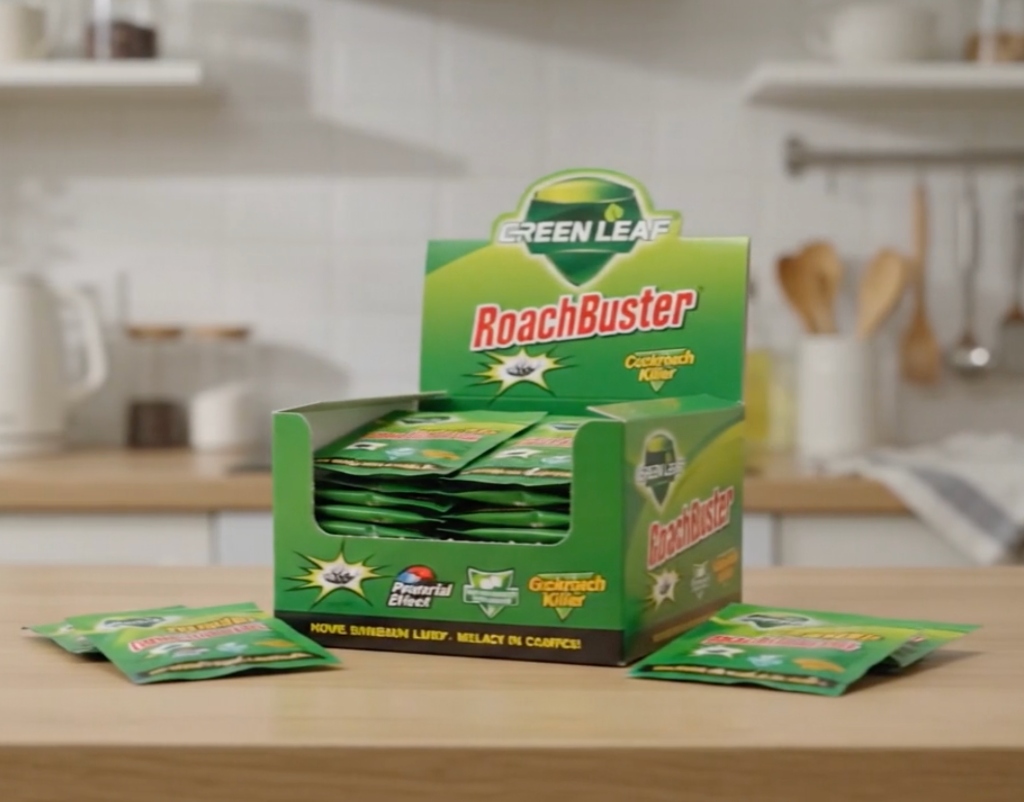
Finding a cockroach scuttling across a clean kitchen counter or disappearing behind a cabinet door is one of the most frustrating experiences a homeowner can face. Because kitchens combine food, water, and warm dark spaces, they represent the absolute highest-density risk zones for pest activity. If sightings keep pointing back to one area, use our guide to locating the nest together with the 21-day German roach treatment plan.
Roaches do not live out in the open. They thrive in secure, quiet, narrow gaps where their bodies can touch surface areas on both sides (a behavioral trait known as thigmotaxis). In kitchen environments, these pathways include:
When most people see a pest, their immediate reaction is to grab a can of commercial aerosol spray. However, massive spraying in food-prep areas presents two major drawbacks:
First, it releases heavy, toxic odors that can settle on cooking surfaces, dishes, and utensils, creating potential chemical contamination hazards. Second, chemical sprays act as immediate repellents. Instead of exterminating the nest, sprays scatter the surviving pests deeper into wall voids, floorboards, and ceiling tiles, spreading the infestation to other rooms.
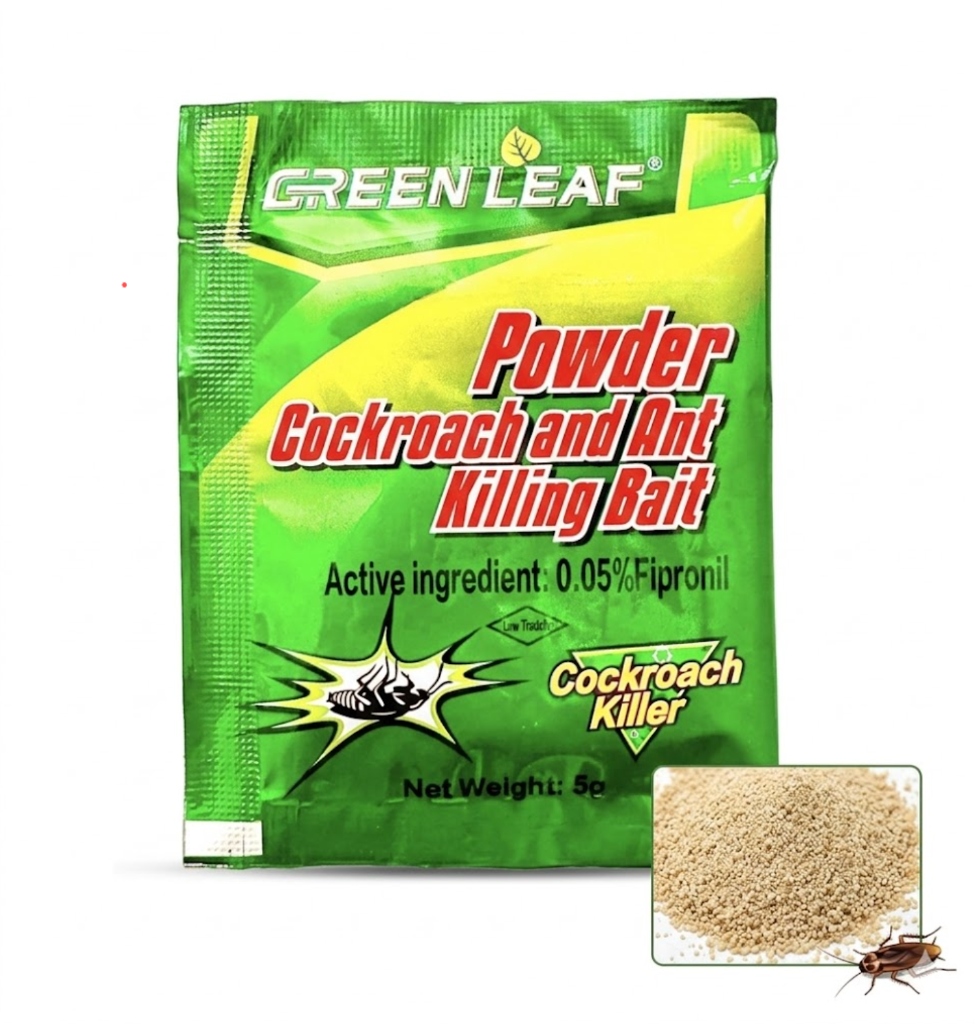
A cleaner, far more effective approach is targeted powder placement. Using granular or powder bait in tiny, localized sachets solves the problem directly at the source:
1. Zero Odors & Zero Fumes: A high-quality powder sachet does not release airborne chemical mists. It remains localized in the exact spot you put it, keeping food surfaces completely safe and fume-free.
2. Continuous Residual Defense: Unlike sprays that dry up and lose effectiveness in hours, dry bait powder remains active for months as long as it stays dry. Pests discover the bait during their nightly foraging routines, ingest it, and carry the active ingredient back to eliminate the hidden colony.
3. Surgical Cabinet Application: Instead of making a mess with liquid gels or sticky sprays, you can place single sachets in cabinet corners, drawer sliders, and sink pipes. Application is quick, completely stainless, and easy to clean up whenever you decide.
For ultimate kitchen defense, combine targeted powder placement with consistent sanitation: clean up evening crumbs, wipe dry sink basins before bed, and seal open floorboard gaps. By cutting off access to open water and placing active bait directly in crawling paths, you can clear kitchen cabinets permanently.
Next steps: how many sachets a full round actually takes, how to tell whether a treatment is working, and why roaches come back after treatment.
| Position | Placements | Note |
|---|---|---|
| Under-sink cabinet rear corners | 2 to 3 | At the pipe penetrations, dry surface |
| Sink bowl underside area | Included above | Warm, damp, completely hidden |
| Kitchen plinth void | 2 | Continuous and undisturbed |
| Behind and under the fridge | 2 | Compressor recess |
| Dishwasher side gap | 1 to 2 | Dry position only |
| Oven base cavity | 1 | When cool |
| Drawer undersides and runner channels | 1 per affected unit | Remove the drawer to place |
| Corner unit dead space | 1 | At the access point |
Counts for the whole home are in our coverage arithmetic guide.
A kitchen is the one room where residue and smell have consequences beyond comfort. Food-contact surfaces cannot carry insecticide residue, cabinets hold that residue for a long time because they are enclosed and rarely washed, and any solvent odour transfers to dry goods and to the air you cook in. A dry, enclosed placement in a cabinet corner introduces no residue to any surface and no carrier to the air, which is why it suits kitchens better than aerosols. Our odourless control guide covers the trade-offs, and our method comparison explains why repellent products actively work against a cabinet round.
The signals to watch are set out in our guide to reading treatment progress.
Only the affected ones plus the under-sink units and the plinth line. Work through them over two evenings.
Yes, on a dry flat surface at the rear corners, away from any leaking containers. Fit a child lock if you have children or pets.
Usually because a repellent product was used at some point, or because the bathroom was always part of the population range. Treat both rooms together.
Inspect before cleaning, vacuum before washing, use plain detergent, dry fully, then place two to three sachets per affected unit at rear corners, pipe penetrations and the plinth void. Expect a week-one rise and hold placements through week six. One box covers a full kitchen and bathroom round, with a 30-day money-back guarantee.
Always use any bait product as directed on its label, and keep placements out of reach of children and pets.
Treating an active infestation? One box treats one room, once. The 3-Box Kit — $120 (150 sachets, save $59.97) covers a full apartment through the complete 3-4 week treatment cycle; a $47 single box (50 sachets) covers a single-room problem. Ships within 1 business day, typical delivery 6-10 days · Free tracked shipping · 30-day money-back guarantee.
Choose your kit →
Live sightings are the worst measure of progress. How to read fresh droppings, dead insects and trap catch rates...

Found roaches tonight? The first 48 hours decide whether your treatment works. Hour one containment, the after-d...
Coverage is about cavities, not square footage. Room-by-room sachet counts, realistic totals for studios through...
Your anonymous feedback helps us improve our educational home defense resources.