
Roach Control for Multi-Unit Buildings: A Landlord Treatment Plan
Treating one flat in a connected block fails predictably. How to survey across unit boundaries, quantify a build...
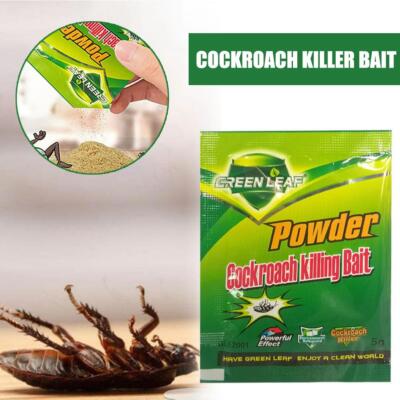
Large American cockroaches (often called waterbugs) thrive in damp, dark, organic environments like sewer lines and utility drains. Unfortunately, when sewer lines become crowded or dry out during warm seasons, these large insects climb up plumbing lines and enter luxury homes through sink and floor drains. If activity centers on sinks or floor drains, start with our guide to roaches coming from drains for what is actually happening down there and the fix.
Every sink, tub, and floor drain has a curved pipe underneath called a P-trap. When filled with water, the P-trap blocks sewer odors and pests. However, if a guest bathroom sink or basement drain is rarely used, the water inside the trap evaporates, leaving an open, dry highway straight into your living space.
Blocking sewer roaches requires a two-step approach: maintaining plumbing seals and deploying active bait barriers. First, regularly run water down rarely-used drains to keep P-traps full. Second, place dry active bait powder sachets behind bathroom vanities, near utility lines, and around baseboard crevices near plumbing stacks.
Unlike wet chemical sprays that quickly wash away or dry up in humid bathroom spaces, dry active powder baits remain stable and effective for months. Pests emerging from plumbing wall cavities encounter the dry bait and carry the active ingredient back into the pipe junctions, preventing future invasions.
Building drainage is designed to be a sealed system. Every fixture has a trap, the trap holds a plug of water, and that water plug is the only thing standing between your bathroom and the sewer. The system fails in three predictable ways. A trap dries out, usually in a guest bathroom, a floor drain or a laundry standpipe that has not been used for weeks. A vent gets blocked, so pressure changes siphon the trap empty. Or a seal fails at a joint, a clean-out cap, a toilet flange or a redundant capped stub, leaving an opening that bypasses the trap altogether.
American cockroaches thrive in municipal sewers and storm drains, and they are strong climbers in wet vertical pipe. Once any of those three failures exists, the insect does not need to break into your home. The route is simply open.
| Fix | Cost level | Effect |
|---|---|---|
| Run water in unused fixtures monthly | None | Restores the water plug, closes the route |
| Fit trap primers or self-sealing drain valves on floor drains | Low | Keeps rarely used drains sealed permanently |
| Replace missing or cracked clean-out plugs | Low | Closes a direct sewer opening |
| Fit screened drain covers | Low | Physical barrier at the fixture |
| Reseat a rocking toilet with a new seal | Moderate | Closes the flange gap |
| Clear a blocked vent stack | Moderate | Stops traps being siphoned empty |
| Repair a broken drain line under slab | High | Only needed if the route is a fracture rather than a seal |
The first four items solve the majority of household cases and cost very little. It is worth doing them before concluding that you have an infestation, because a single insect arriving nightly through a dry floor drain looks exactly like an infestation from inside the house.
Bait does not go in the drain. It goes on the surfaces around the entry point, where an arriving insect will walk. Practical positions are the cabinet floor under a sink at the pipe penetration, the dry floor surround of a utility floor drain, behind the toilet at the flange, the base of a laundry standpipe wall, and the void behind a bath access panel. Keep placements dry and out of any water path; a sachet sitting in a wet drain surround is doing nothing. Combined with sealing, this intercepts the traffic while the physical fixes remove the route. If sightings resume weeks later, the usual explanation is a second unsealed route rather than bait failure, which is covered in our guide to recurrence.
That pattern is almost always entry rather than an established indoor population. Established German cockroach populations produce many small insects in kitchens, not one large insect in a bathroom.
Yes. American cockroaches move readily on wet vertical surfaces and inside pipe, which is why upper-floor bathrooms in tall buildings still get visitors.
Only for a blocked vent, a reseated toilet or a suspected line fracture. Dry traps, missing caps and drain covers are homeowner-level fixes.
If you closed the only route, sightings usually stop within days. Continued nightly sightings mean another route is still open.
Drain entry is a plumbing problem with an insect symptom. Find the dry trap, the missing cap or the blocked vent, close it, fit screened covers on floor drains, then place dry sachets on the surrounds rather than in the pipe. One box provides more than enough placements for every drain and fixture in a typical home, with a 30-day money-back guarantee.
Always use any bait product as directed on its label, and keep placements out of reach of children and pets. This is general operational guidance, not legal or food-safety regulatory advice; requirements vary by jurisdiction and by inspecting authority.
Treating an active infestation? One box treats one room, once. The 3-Box Kit — $120 (150 sachets, save $59.97) covers a full apartment through the complete 3-4 week treatment cycle; a $47 single box (50 sachets) covers a single-room problem. Ships within 1 business day, typical delivery 6-10 days · Free tracked shipping · 30-day money-back guarantee.
Choose your kit →

Treating one flat in a connected block fails predictably. How to survey across unit boundaries, quantify a build...
A resurgence at three weeks and a resurgence at three months are different problems. The six causes of reinfesta...

Found roaches tonight? The first 48 hours decide whether your treatment works. Hour one containment, the after-d...
Your anonymous feedback helps us improve our educational home defense resources.