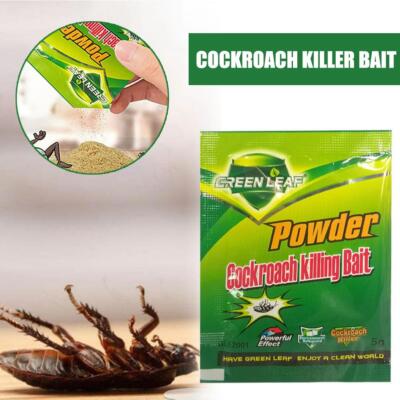
American cockroaches (Periplaneta americana), commonly referred to as palmetto bugs or sewer roaches, live in underground drainage networks and utility lines. When plumbing traps dry out or crack, these massive pests migrate directly up municipal sewer lines into residential sink drains, tub overflows, and laundry lines. Our companion guide to drain roaches covers why they appear at plugholes and how to block the route for good.
The Drainage Migration Pathway
Normally, a plumbing P-trap holds a pool of standing water that seals out sewer gases and climbing insects. However, in guest bathrooms, vacant properties, or during hot summer months, this standing water evaporates. This creates an open highway for sewer cockroaches to crawl straight out of the sink or tub drains at night, spreading germs across your clean surfaces.
Why Traditional In-Drain Treatments Fail
Pouring bleach, boiling water, or harsh chemical drain openers down the pipes does not provide residual protection. These substances wash away instantly, leaving the pipes completely unprotected within minutes. Liquid chemicals also corrode metal plumbing joints, leading to costly structural leaks.
Securing Your Plumbing Lines Symmetrically
To establish a permanent barrier against sewer-line invaders, follow these three steps:
- Keep P-Traps Wet: Run water through all sinks, tubs, and floor drains at least once a week to maintain the water barrier.
- Place Surgical Barriers: Insert RoachBuster dry active sachets behind the kickplates of bathroom vanities, under sink cabinet penetrations, and inside wall cavities where plumbing lines pass.
- Odorless Long-Term Residual: Our active dry powder sachet creates a localized barrier in the warm spaces immediately adjacent to the pipes. When a migrating roach crawls along the plumbing line, it intercepts the active formula, stopping the infestation before it can breach your kitchen or living areas.
The overflow route people miss
Most homeowners who suspect drain entry check the plughole and stop there. The sink overflow, the slot near the top rim of a basin or bath, is a second opening into the same waste pipe, and it is not protected by anything. It joins the pipe below the rim and above the trap in many installations, which means it can bypass the water seal entirely if the trap level has dropped. It is also permanently damp, coated in soap and organic film, and completely dark. If you have ever wondered how an insect appeared in a basin with a plug in it, the overflow is usually the answer.
The same applies to bath overflows, which sit behind an access panel in a large void, and to washing machine standpipes, which have no trap water at all between cycles if the standpipe is dry.
The five household openings, in order of how often they are the cause
- Rarely used fixture with a dried trap. Guest bathroom, basement shower, utility sink. Run water in it for thirty seconds and the route closes.
- Sink or bath overflow slot. Clean it, and treat the surrounding cabinet or panel void rather than the slot itself.
- Washing machine standpipe. Fit a proper trap if there is none, and cap the pipe when the machine is disconnected.
- Floor drain in a utility room or garage. Fit a screened cover or a self-sealing valve; these are the cheapest permanent fixes available.
- Failed toilet flange seal. A toilet that rocks slightly has a gap at floor level.
Cleaning the overflow properly
An overflow channel that is thick with biofilm is both an attractant and a food source. To clean it, remove the visible plate if it unscrews, push a narrow bottle brush or a flexible cleaning strip into the channel, work it back and forth, then flush with hot water and a normal cleaner. Do not pour undiluted bleach or caustic drain cleaner in; it will not reach far and repeated use damages seals and pipe. Repeat monthly on any fixture where you have seen activity. In a bath, take the access panel off and check for standing water underneath, because a slow leak at the overflow connection creates exactly the damp void that keeps a population alive.
Where placements go around drains and overflows
| Location | Placement | Positioning |
|---|---|---|
| Under-basin cabinet | 2 | Rear corners at the pipe penetration, dry surface |
| Bath access panel void | 1 to 2 | Dry side, away from any damp patch |
| Behind toilet at the flange | 1 | Corner position, out of the cleaning path |
| Washing machine standpipe wall | 1 to 2 | Behind the machine, off the floor water path |
| Utility floor drain surround | 1 to 2 | On dry floor at least 300 mm from the grating |
| Under kitchen sink | 2 | At pipe penetrations |
Never place inside a drain, an overflow slot or a wet channel. Wet material stops working, and it will simply wash away. The point of the placement is to sit on the dry surface the arriving insect crosses.
How to tell whether it is entry or an established population
- Entry pattern. One or two large insects, usually at night, usually in a bathroom or utility room, no small stages, no droppings, sightings stop when you close a route.
- Established pattern. Multiple small light-brown insects, kitchen-centred, pepper-like droppings in cabinet corners, shed skins, sightings continue regardless of drain work.
- Mixed. Both patterns at once, common in older multi-unit buildings, and it needs both the plumbing fixes and a dense in-cabinet placement round.
Getting this distinction right saves weeks. Our guide to reading treatment progress explains what each pattern should look like as treatment takes effect, and our first 48 hours plan covers the immediate steps when you find an established population.
Questions homeowners ask
Should I pour bleach down the drain every night?
No. It does not affect the sewer population, it damages seals over time, and it does nothing about the opening. Water in the trap and a physical cover achieve far more.
Do drain covers actually stop them?
A screened cover with fine mesh stops entry at that fixture. Combined with maintained trap water it is close to a permanent fix for a single opening.
Why do sightings peak after heavy rain?
Storm flow floods sewers and storm drains and pushes the resident population upward and outward. A post-rain spike is one of the strongest signals that your problem is entry rather than an indoor population.
Can I seal an overflow permanently?
No, it is a safety feature that prevents a basin or bath overflowing. Clean it and maintain the trap water instead.
The short version
The overflow slot and the dry trap are the two openings that let sewer roaches into a clean house. Run water in unused fixtures monthly, clean overflow channels with a brush rather than chemicals, fit screened covers on floor drains, and place dry sachets on the surrounding dry surfaces rather than in the pipe. One box covers every fixture in a typical home, with a 30-day money-back guarantee.
Always use any bait product as directed on its label, and keep placements out of reach of children and pets.
Block Sewer Roaches Symmetrically
Block plumbing migrations. Deploy RoachBuster dry active sachets along utility collars and vanity gaps safely.
Free shipping, secure Stripe checkout, and a 30-day money-back guarantee.
Treating an active infestation? One box treats one room, once. The 3-Box Kit — $120 (150 sachets, save $59.97) covers a full apartment through the complete 3-4 week treatment cycle; a $47 single box (50 sachets) covers a single-room problem. Ships within 1 business day, typical delivery 6-10 days · Free tracked shipping · 30-day money-back guarantee.
Choose your kit →