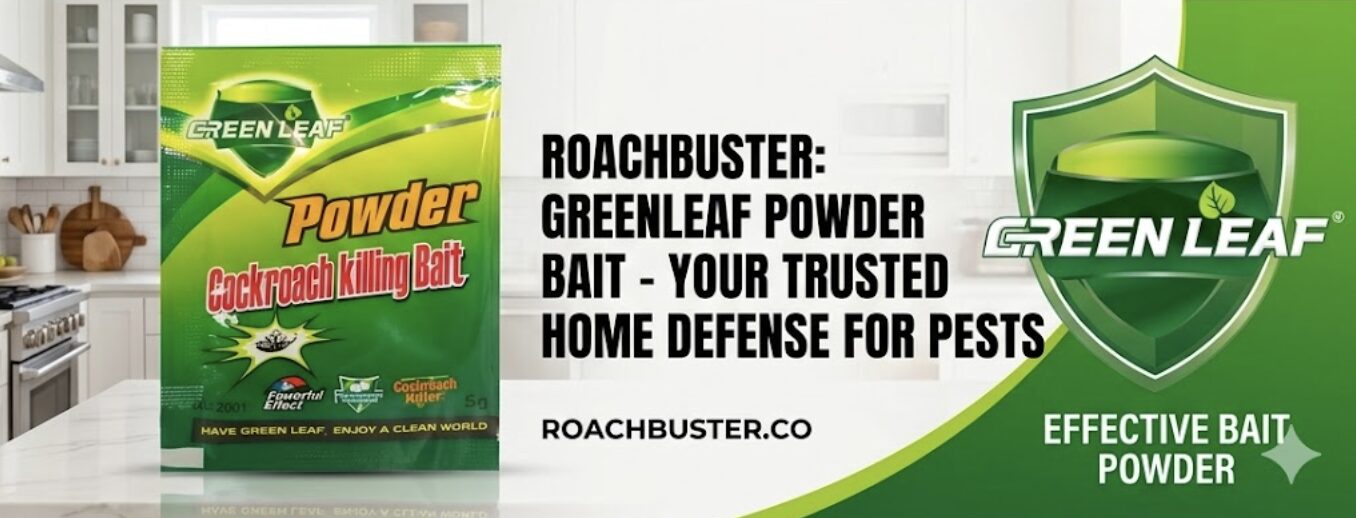
In Florida, “Palmetto bug” is the common local term for several species of large cockroaches, most notably the American cockroach. While these massive reddish-brown insects are primarily outdoor pests that thrive in Florida’s warm humidity, rotting mulch, and palm trees, heavy seasonal weather transitions can bring them directly into luxury homes and coastal condominiums. If activity centers on sinks or floor drains, start with our guide to roaches coming from drains for what is actually happening down there and the fix.
Why Rainstorms Force Palmetto Bugs Indoors
Florida’s intense summer downpours, tropical depressions, and hurricane seasons present a major infestation trigger. Heavy rainstorms saturate the soil and flood subterranean storm drains, sewer lines, and compost beds where palmetto bugs nest outside. To escape the rising floodwaters and avoid drowning, these large insects migrate upward in massive numbers, entering residential homes through plumbing stacks, door thresholds, and dryer vents.
Why Wet Weather Renders Standard Sprays Useless
Many Florida homeowners invest in monthly perimeter liquid pest sprays. However, heavy rains quickly wash away these external chemical barriers, leaving your home completely defenseless during a storm. Furthermore, liquid sprays applied inside bathroom vanities and kitchens can quickly dry out or wash away in high-humidity areas, failing to provide long-term protection.
Erecting an Indoor Dry Active Barrier
The ultimate defense against rain-driven palmetto bugs is a dry, long-lasting active barrier. RoachBuster’s dry powder sachet system provides an exceptionally stable and clean solution. By placing these dry sachets behind bathroom vanities, inside laundry utility stacks, and near exterior doorway baseboards, you establish a permanent defense grid.
Emerging pests seeking shelter from the outdoor storms are drawn in by RoachBuster’s high-quality food attractants. They ingest the active powder bait and carry it back to their outdoor nesting colonies, eliminating the threat before it can establish an indoor breeding cycle.
Next steps: how many sachets a full round actually takes, why roaches come back after treatment, and how to tell whether a treatment is working.
The forty-eight hours after a storm are the whole game
A Florida rainstorm does not create a pest problem, it relocates one. Heavy rain saturates mulch beds, floods sewer and storm drainage, drowns ground-level harbourage and pushes every insect living in that habitat toward the nearest dry, sheltered structure. The movement happens fast, usually within twenty-four to forty-eight hours of the water peaking, and it is almost entirely predictable. A household that acts inside that window intercepts the traffic. A household that waits a week is treating a population that has already found harbourage inside the structure.
The immediate post-storm checklist
- Walk the perimeter as soon as it is safe. Note where water is standing against the foundation and where mulch has washed against the wall.
- Clear the blocked drainage. Gutters, downspout outlets, yard drains and any low spot holding water. Standing water at the wall is the single strongest attractant you can have.
- Check the garage and utility room first. These flood or dampen first and are the main entry route in most Florida homes.
- Inspect and replace exposed placements. Anything damp, discoloured or washed out of position is no longer working.
- Add a top-up round at thresholds and utility penetrations. This is the interception line for storm-displaced insects.
- Check floor drains and unused fixtures. Storm flow in the sewer pushes American cockroaches upward; trap water and screened covers are the fix.
- Dry the interior wet zones. Wipe sinks dry overnight, empty drip trays and clear condensate lines. Removing indoor water makes your bait the best available resource.
Where storm-displaced insects actually enter
| Entry point | Why storms make it worse | Fix or interception |
|---|---|---|
| Garage door bottom seal | Water sheeting under the door with debris | Replace seal; place at track corners |
| Exterior door thresholds | Wind-driven water degrades sweeps | New sweeps; place inside at corners |
| Weep holes | Saturated wall base, insects seeking dry cavity | Stainless mesh inserts, never sealant |
| Floor drains and unused fixtures | Sewer surcharge pushes population up | Screened covers plus maintained trap water |
| Air conditioning condensate line entry | Permanent damp patch at the slab | Extend discharge; place at the interior penetration |
| Soffit and roof vents | Wind-driven entry and gutter overflow | Screen; clear gutters |
| Slab expansion joints | Water tracks along the joint | Backer rod and flexible sealant |
The mulch problem, specifically
Mulch is the most common single reservoir on a Florida property and storms turn it into a launch pad. Wet organic mulch against a foundation holds moisture for days after the rain stops, decomposes into an ideal food source, and sits directly against the wall where every weep hole and expansion joint is. Pulling mulch back to leave a bare soil or gravel strip of at least a hundred and fifty millimetres against the foundation is the highest-value landscaping change available, and it is free. Replacing organic mulch with gravel in the first half metre from the wall makes it permanent. Do the same for palm boots, dead fronds and any pile of yard debris within a couple of metres of the house.
What not to do after a storm
- Do not fog the garage. A fogger cannot reach the voids where storm-displaced insects shelter, and it can push them into the living space; see our method comparison.
- Do not spray a wet perimeter. Liquid applied to a saturated surface is diluted and gone with the next shower.
- Do not put placements on damp concrete. Choose sheltered, elevated, dry positions or keep them indoors.
- Do not assume the surge is permanent. Most post-storm sighting spikes fall away within two to three weeks if you intercept and fix drainage.
- Do not ignore a repeat pattern. If every storm produces the same result, the drainage or the mulch line is the problem, not the insects.
Questions Florida homeowners ask
How long does the post-storm spike last?
Typically one to three weeks. Interception in the first forty-eight hours shortens it substantially, and fixing drainage prevents the next one.
Should I treat before a forecast storm?
Yes, if you have time. A round placed a day or two ahead is in position when the movement starts, and indoor placements are unaffected by the weather.
Why do I get them upstairs after a storm?
Sewer surcharge pushes American cockroaches up through plumbing stacks, so upper-floor bathrooms are a normal storm-time sighting location. Trap water and drain covers address it; the detail is in our recurrence guide.
How many placements for a storm top-up?
Six to ten at thresholds, garage, utility and plumbing penetrations is usually enough on top of an existing round. Full counts are in our coverage guide.
The short version
Storms relocate populations rather than creating them, and the window is forty-eight hours. Clear standing water, pull mulch back from the wall, replace washed-out placements, add a top-up at thresholds, garage and utility penetrations, screen weep holes and floor drains, and dry the interior overnight. A three-box pack gives you enough sachets to run a full season of storm top-ups, with a 30-day money-back guarantee.
Always use any bait product as directed on its label, and keep placements out of reach of children and pets.
Treating an active infestation? One box treats one room, once. The 3-Box Kit — $120 (150 sachets, save $59.97) covers a full apartment through the complete 3-4 week treatment cycle; a $47 single box (50 sachets) covers a single-room problem. Ships within 1 business day, typical delivery 6-10 days · Free tracked shipping · 30-day money-back guarantee.
Choose your kit →