Houston combines three conditions that make palmetto bug pressure unusually severe: sustained summer humidity, heavy rainfall events that flood the drainage network and soil, and a housing stock built predominantly on concrete slab foundations. Together they produce a seasonal pattern most residents recognise. The insects are outdoors and largely invisible for weeks, then a storm passes and they appear inside overnight in numbers. Pair this with our prevention plan that sticks so a cleared home stays cleared.
This guide explains the specific entry mechanics of a slab-on-grade house in a humid subtropical climate, and what to do about each one.
Why palmetto bugs surge after rain
Palmetto bug is the regional name for the American cockroach and, loosely, for other large outdoor species. Unlike German cockroaches, they live outdoors in damp organic environments: mulched beds, leaf litter, tree cavities, storm drains, and sanitary sewer lines. They are not trying to live in your house. They are displaced into it.
- Rainfall floods their harbourage. Saturated mulch, storm drains running full, and inundated sewer laterals push populations upward and outward at the same time.
- Heat and drought do the reverse. During a dry spell they move indoors seeking moisture, which is why surges can also follow weeks with no rain.
- Soil movement opens gaps. The expansive clay soils common across the Houston area shrink and swell dramatically between wet and dry periods, and that movement is what opens the entry points discussed below.
- Warm nights extend activity. A long warm season means many more foraging nights per year than in a temperate climate.
The practical implication is that this is a pressure-management problem, not an eradication problem. The outdoor population is not going away, so the objective is exclusion plus interception rather than treating your kitchen repeatedly. The distinction matters because the two species need opposite strategies, as set out in German versus American cockroaches.
How they get into a slab-on-grade house
A slab foundation has no crawl space, which removes one route and creates several others. Plumbing and electrical services pass vertically through the slab, and the annular gap around each penetration is the primary interior entry point.
- Sub-slab plumbing penetrations. Where the drain and supply lines rise through the slab, usually under the kitchen sink, in bathroom vanity cabinets, behind the washer standpipe, and at the water heater. Soil movement opens these gaps and they lead directly into the wall cavity.
- Tub and shower access voids. The framed opening under a bath is often unsealed at the slab and connects to the wall cavity.
- Air-conditioning line sets and condensate drains. The refrigerant line penetration through the exterior wall is frequently sealed only with foam, and the condensate line provides a continuous water source.
- Weep holes in brick veneer. Necessary for drainage, and large enough to admit a large insect. They should not be blocked; screen them instead.
- Expansion joints and slab cracks at the garage-to-house threshold and at the patio interface.
- Garage door thresholds and side seals. A worn bottom seal on a garage door is one of the most common single entry points in a Houston house.
- Exterior door sweeps and thresholds, particularly on doors that have shifted with the slab.
- Attic and soffit penetrations, since American cockroaches climb and glide and will use roof-level entry where trees overhang.
The exterior conditions doing the most damage
Before treating anything, reduce the pressure at the wall line. In a humid climate these items matter more than any product.
- Mulch banked against the foundation. Pull it back to leave a dry inspection strip along the wall.
- Irrigation heads spraying the foundation or the brick veneer.
- Downspouts discharging beside the wall rather than being extended away from it.
- Leaf litter in beds, gutters, and against the slab edge.
- Firewood, pavers, and stored materials stacked against the house.
- Dense shrubs and ground cover touching the wall, which hold humidity permanently.
- Overhanging tree limbs providing a route to the roof and soffit.
- Uncovered or damaged yard and patio drains, and cleanout caps that are cracked or missing. A missing sewer cleanout cap is effectively an open door to the sanitary line.
A Houston-specific action sequence
- Seal the interior slab penetrations first. Open the cabinet under every sink and look at the gap around each pipe where it emerges from the slab or the wall. Pack and seal these properly rather than with tape. This is the highest-value hour you will spend. See our perimeter sealing checklist.
- Check the washer standpipe and water heater pan for gaps and standing water.
- Fit or replace the garage door bottom seal and side seals, and seal the expansion joint at the garage threshold.
- Screen the brick weep holes with purpose-made inserts that maintain drainage.
- Seal the air-conditioning line set penetration properly and confirm the condensate line drains away from the slab rather than pooling.
- Fit and secure sewer cleanout caps and repair damaged drain covers.
- Correct the exterior conditions above: pull mulch back, extend downspouts, adjust irrigation, and cut vegetation off the wall.
- Place bait at the interior entry points rather than only in the kitchen: inside sink cabinets near the plumbing collar, at the standpipe, in the utility room, at the water heater, and in the garage along the wall the house shares with it.
- Repeat before each wet season and after any significant soil movement, because slab gaps reopen.
If you are also seeing small tan insects with two dark stripes inside kitchen cabinets, that is a separate and more serious problem: a German cockroach population breeding indoors, which needs interior harbourage baiting rather than exclusion work. Our treatment timeline covers what that looks like, and identifying droppings will tell you quickly which species you have.
Humidity control indoors
Gulf Coast humidity is the reason indoor moisture matters more here than in a dry climate. Cockroaches can go a long time without food but not without water, so reducing indoor moisture directly limits what a population can sustain.
- Keep indoor relative humidity moderate; a dehumidifier in a utility room or garage is often worthwhile in summer.
- Insulate cold water lines inside cabinets to stop condensation, which is continuous during humid months.
- Service the air-conditioning condensate tray and line, since a blocked line creates a permanent water source in a warm cavity.
- Repair weeping shut-off valves and traps under sinks, which are easy to miss because the water evaporates on warm pipes.
- Run bathroom extractors long enough to actually clear the room, and dry shower trays and floors.
- Keep the garage dry and avoid storing cardboard there. Cardboard in a humid Houston garage is close to ideal harbourage.
The broader version of this point, and why a spotless kitchen can still support a population, is in what attracts roaches to a clean home.
Why perimeter spraying alone underperforms here
An exterior barrier spray degrades quickly under Gulf Coast conditions. Direct sun, high temperatures, and heavy rainfall shorten residual life considerably, which is why treatments applied on a monthly cycle can leave meaningful gaps in coverage during exactly the storm events that drive the surges. More importantly, insects entering through a sub-slab plumbing gap never cross the treated exterior surface at all; they travel inside the wall cavity from below.
That is the core reason sealing plus interior interception outperforms repeated exterior spraying in slab-on-grade housing. The general case against relying on spray programmes is in why a monthly spray is not working.
Frequently asked questions
Why do palmetto bugs appear after heavy rain in Houston?
Rainfall floods their outdoor harbourage in mulch, leaf litter, storm drains, and sewer laterals, displacing them upward and into buildings. A dry spell produces the same result for the opposite reason, as they move indoors seeking moisture.
Are palmetto bugs a sign of a dirty house?
No. They are outdoor insects entering for shelter or water, and entry is governed by gaps, drainage, and vegetation rather than housekeeping. Interior sanitation matters much more for German cockroaches.
Should I seal my brick weep holes?
Do not block them, because they are part of the drainage system for the veneer and blocking them can cause moisture damage. Use purpose-made weep hole screens or inserts that exclude insects while allowing drainage and ventilation.
Do I need treatment year round in Houston?
Pressure is highest from late spring through early autumn, but the long warm season means activity rarely stops entirely. Most households do best with sealing work done once and properly, maintenance placements at interior entry points kept in place, and a check before each wet season.
Seal the slab, then intercept
Houston palmetto bug problems are almost always about gaps and water rather than cleanliness. Seal the plumbing penetrations under every sink and at the standpipe and water heater, fix the garage and door seals, screen the weep holes, pull mulch and irrigation back from the foundation, and place bait at the interior entry points rather than only in the kitchen.
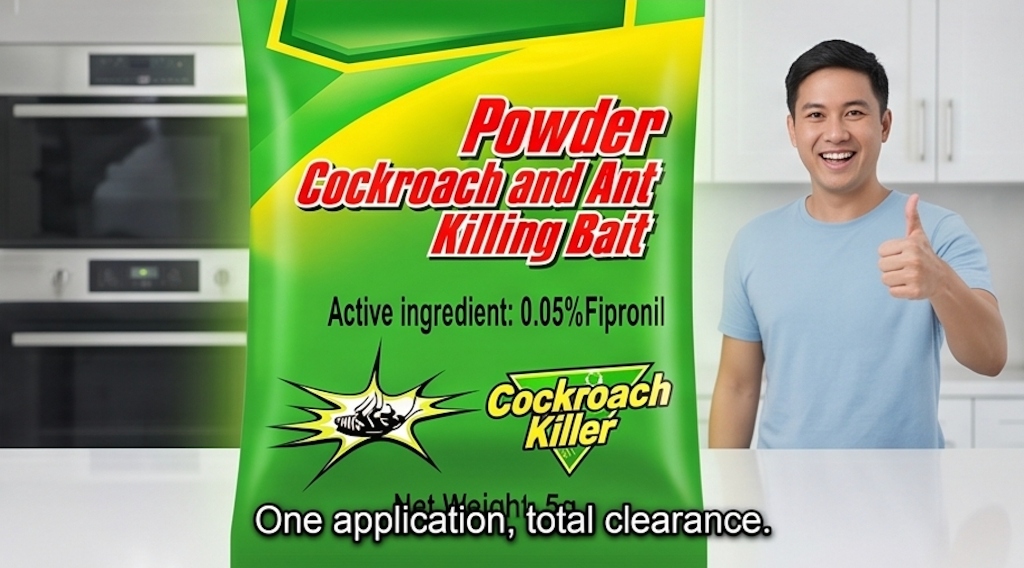
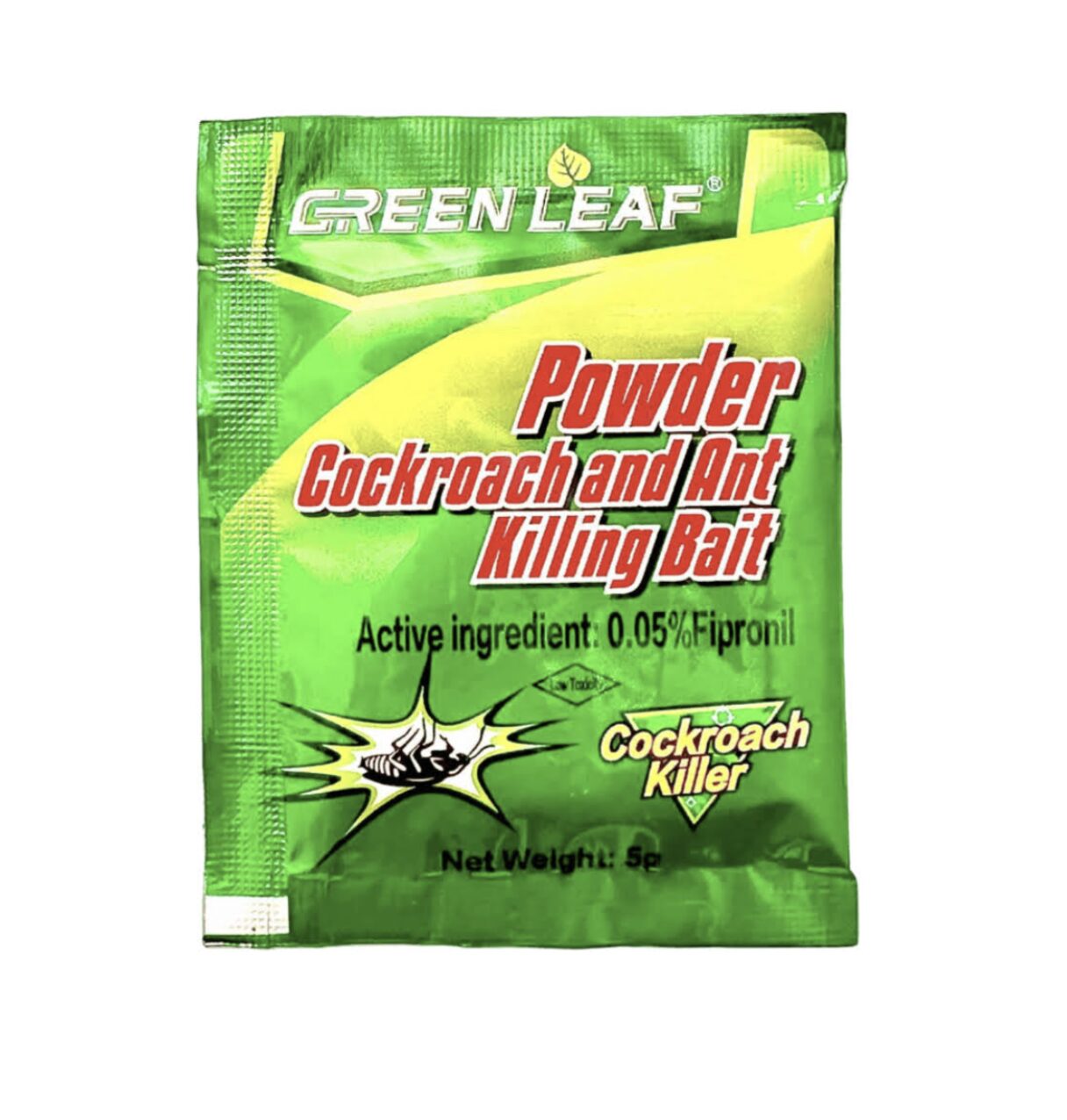
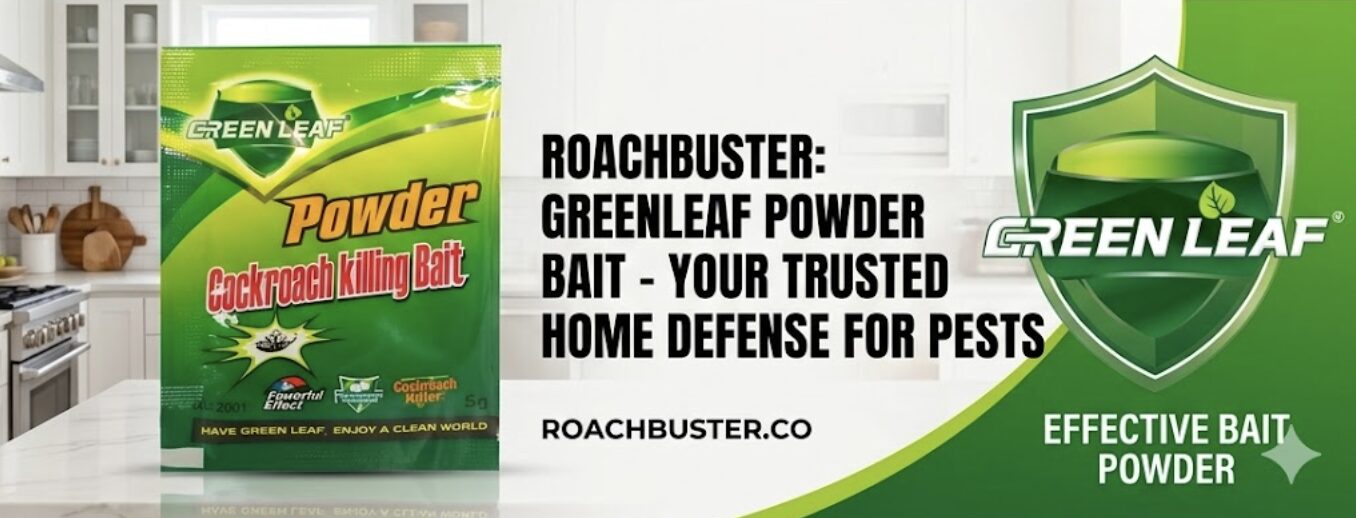
For those interception placements, GreenLeaf RoachBuster provides 50 odorless, stainless dry powder sachets per box, which suits humid conditions because there is nothing to dry out or run, and suits sink cabinets, standpipes, utility rooms and garages where you want a placement that survives a whole season. Always use as directed on the product label, and keep placements away from children and pets.
Next steps: how many sachets a full round actually takes, why roaches come back after treatment, and how to tell whether a treatment is working.
Treating an active infestation? One box treats one room, once. The 3-Box Kit — $120 (150 sachets, save $59.97) covers a full apartment through the complete 3-4 week treatment cycle; a $47 single box (50 sachets) covers a single-room problem. Ships within 1 business day, typical delivery 6-10 days · Free tracked shipping · 30-day money-back guarantee.
Choose your kit →